



Embrace the All-Time Classics
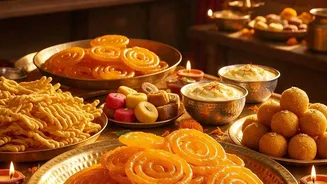
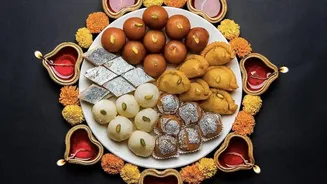
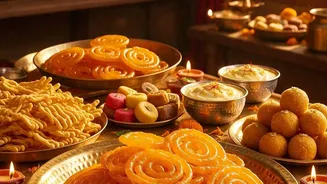
Certain sweets are synonymous with Diwali, and for good reason. Kaju Katli, the diamond-shaped cashew fudge, is a universal favourite, loved for its smooth texture and subtle sweetness. Ladoos are another essential, with varieties like the grainy Motichoor
Ladoo, made from tiny chickpea flour pearls, and the nutty Besan Ladoo, roasted in ghee, being top choices. For those who love syrupy treats, Gulab Jamun—soft, deep-fried milk-solid balls soaked in fragrant syrup—is the ultimate indulgence. These classics are a guaranteed hit for both serving at home and gifting.
Explore Regional Specialties
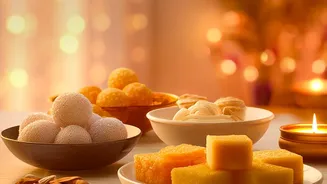
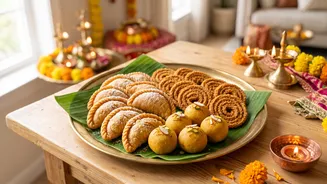
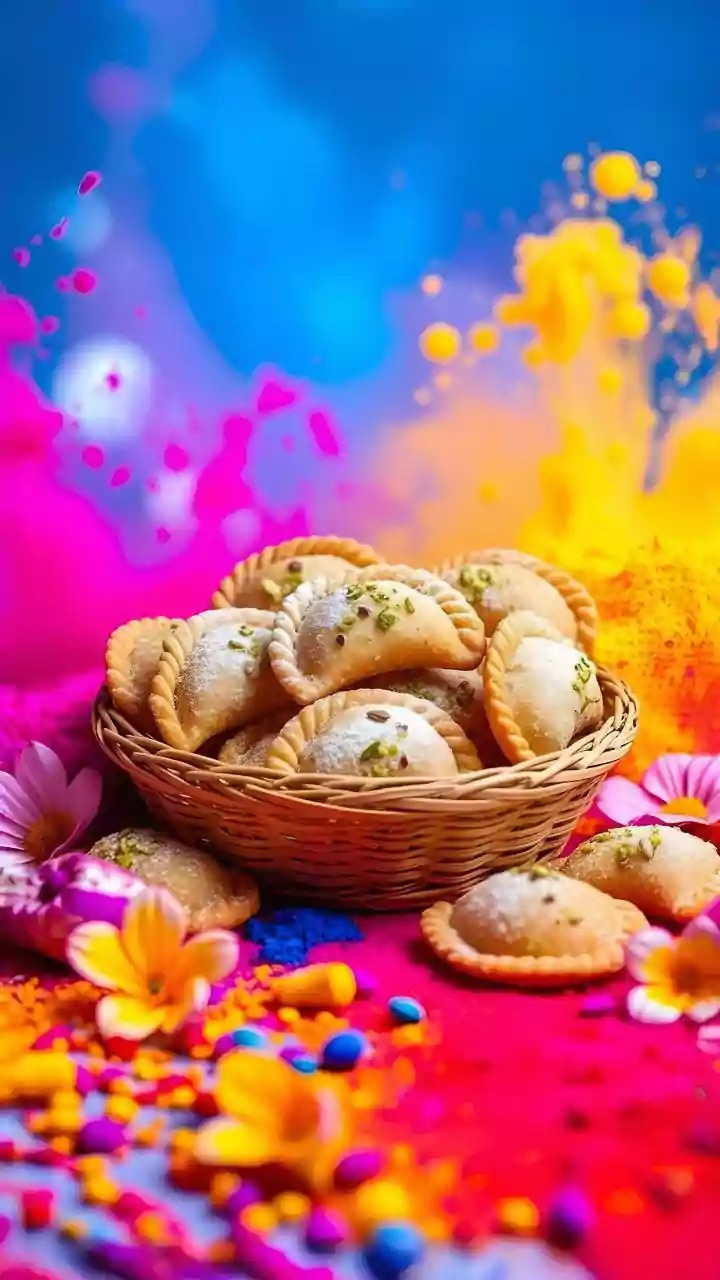
Diwali is celebrated across India, and each region offers its own unique culinary treasures. In the South, don't miss Mysore Pak, a rich sweet made from gram flour and generous amounts of ghee that melts in your mouth. From the East, consider delicate Bengali sweets like Sandesh and Rasgulla, both made from fresh chhena (curdled milk). In the West, Karanji (flaky pastries with a sweet filling) and Shankarpali (crisp, sweet bites) are Maharashtrian staples. Exploring these regional delicacies can add a wonderful new dimension to your festive spread.
Don’t Forget the Savoury Snacks
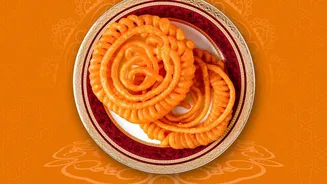
To balance the sweetness, a platter of savoury snacks, or 'namkeen', is a must. Chakli, also known as Murukku in the South, is a crunchy, spiral-shaped snack made from rice flour and spices. Mathri, a flaky, biscuit-like cracker from North India, is perfect with a cup of tea. Another favourite is Chivda, a versatile mixture that often includes flattened rice (poha), nuts, lentils, and spices. These savoury treats provide a delightful contrast and ensure there's something for every palate.
How to Spot Fresh and Pure Mithai
With the festive rush, ensuring the quality of sweets is paramount. Trust your senses first: fresh mithai should have a pleasant aroma of ghee, milk, or nuts, not a stale or sour smell. The texture should be soft and moist, not hard, dry, or overly sticky. Be wary of unnaturally bright colours, as these may indicate artificial additives. A simple test for the popular silver foil ('vark') is to gently rub it; pure silver will dissolve into your skin, while aluminium will roll into a ball. When buying khoya-based sweets, check for a grainy texture and a slight greasiness, which are signs of purity.
Tips for Smart Shopping and Storage
When buying sweets, it's best to choose reputable and licensed shops. Consider the shelf life; milk-based sweets like Barfi and Peda should be consumed within a few days and kept refrigerated, while dry sweets like Ladoos and Kaju Katli can last for a week or two in an airtight container. Plan your purchases based on your needs: a larger box for home and smaller, well-packaged boxes for gifting. Many shops now offer delivery, but be sure to check their packaging standards to ensure the treats arrive fresh and intact.
Healthier Alternatives for the Conscious Host
For those seeking healthier options, many traditional sweets now come in lighter versions. Look for sweets made with jaggery or dates instead of refined sugar. Dry fruit ladoos, which are packed with nuts and seeds, are a nutritious and delicious choice. You can also find baked versions of savoury snacks like mathri and samosas, or air-fried namkeens that reduce the oil content without sacrificing crunch. These options allow everyone to indulge in the festive spirit without compromise.