








The End of the Off-Season
For decades, India’s domestic travel calendar had a predictable rhythm: two main peaks in summer and winter, with a long, quiet lull during the monsoon. That lull is officially over. Travel platforms and hotel chains are reporting an unprecedented spike
in monsoon travel, effectively creating a third peak season. According to data from travel platform Cleartrip, hotel bookings for the monsoon period have surged by over 50% year-on-year. Bus bookings have seen an even more dramatic jump of 140%, signalling that travellers are hitting the road for shorter, more frequent breaks. Radisson Hotel Group notes that July bookings are pacing nearly 10% ahead of the previous year, with the monsoon emerging as a preferred travel period rather than an off-peak one. This shift suggests a fundamental change in how Indian travellers view the rainy months—not as a time to stay home, but as an opportunity to explore.
What's Driving the Downpour of Tourists?
Several factors are fuelling this trend. A key driver is the changing nature of work, with flexible and remote arrangements allowing people to take short trips without dipping into limited leave balances. Younger travellers, particularly millennials and Gen Z, are leading the charge, drawn to nature-based getaways and the unique beauty of rain-washed landscapes. Economics also plays a role. While the concept of deep off-season discounts is fading due to sustained demand, the monsoon still offers relative value compared to the peak winter season. More importantly, there's a growing appreciation for experience-led travel. Today's travellers are prioritising unique experiences like wellness retreats, spiritual journeys, and cultural immersion over simply ticking destinations off a list. The monsoon, with its lush scenery and evocative atmosphere, provides a perfect backdrop for these kinds of trips.
From Goa to the Ghats: Top Destinations
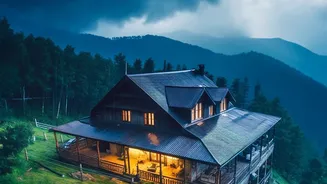
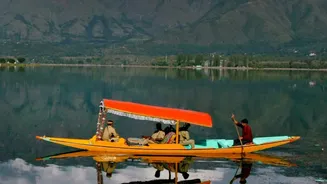
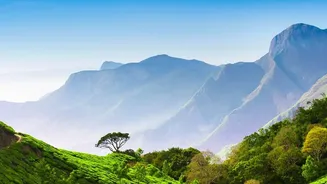
While classic monsoon getaways like Goa, Lonavala, and Kerala remain immensely popular, the 2026 season has seen a significant broadening of horizons. The Northeast has emerged as a breakout star, with Nagaland and Arunachal Pradesh seeing a staggering 62% year-on-year increase in flight bookings. Hill stations across the country are booming. In the south, destinations like Wayanad, Ooty, and Kodaikanal are reporting hotel booking growth of over 70%, with Wayanad seeing a surge of over 160%. In the north, Rishikesh and Mussoorie have recorded search growth of over 200% and 160% respectively, as travellers seek cooler climates and wellness experiences. Even destinations not traditionally associated with rain, such as Udaipur and Jaipur, are seeing sustained demand from those seeking heritage and cultural trips in a more romantic, less crowded setting. Goa continues to be a major draw, with hotel searches up nearly 40% in July compared to the peak summer season.
The New Era of Travel
This trend is more than just a temporary spike; it reflects a permanent reshaping of India's tourism landscape. The industry is responding swiftly, with travel companies now launching dedicated monsoon sales and marketing campaigns as early as June. Hotels are curating specific monsoon experiences, focusing on wellness, indoor activities, and regional cuisine that complement the weather. The surge is also being driven by travellers from Tier-II and Tier-III cities, indicating a wider, more democratised interest in leisure travel throughout the year. According to Pallavi Saxena, an officer at Cleartrip, we are in an "Age of Experience," where travel is driven by personal intent rather than rigid itineraries. People are no longer waiting for the "perfect" season; they are creating their own travel windows, driven by a desire for unique and memorable experiences.