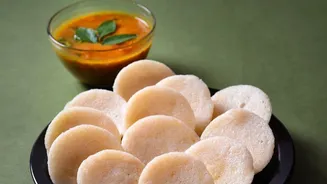







Swapping rice for foxtail millet in your idlis is a fantastic health move. But it often comes with a frustrating problem: dense, hard idlis. The secret to success isn't just a recipe; it's about understanding the unique texture of the grain.
A Nutritional Upgrade for a Classic Breakfast
Idli is already
celebrated as a healthy, steamed breakfast, but replacing rice with foxtail millet takes its nutritional profile to another level. Foxtail millet, known as 'thinai' in Tamil or 'kangni' in Hindi, is a powerhouse of nutrients. It is packed with dietary fibre, protein, and essential minerals like iron, calcium, and magnesium. Unlike polished white rice, foxtail millet has a low glycemic index, which means it releases sugar into the bloodstream slowly. This makes it an excellent choice for managing blood sugar levels, promoting heart health, and aiding in weight management by keeping you feeling full for longer. Furthermore, it's naturally gluten-free, making it a great option for those with sensitivities.
The Texture Challenge: Why Millet Idlis Can Be Dense
If you've ever tried making millet idli and ended up with hard, flat discs, you are not alone. The reason lies in the fundamental difference between millet and rice. Rice starch and millet starch behave differently during soaking, grinding, and fermentation. Foxtail millet has a different starch structure and absorbs water differently than rice. The most common mistake is grinding the millet into a completely smooth paste, similar to how you would grind rice. This smooth, fine grinding makes millet batter gluey, resulting in dense idlis. Another factor is the urad dal to millet ratio. Since millets lack the inherent fluffiness of idli rice, getting the proportions right and ensuring the urad dal is perfectly ground are crucial for aeration.
Five Keys to Perfectly Soft and Fluffy Idlis
Mastering foxtail millet idli is all about technique. The goal is to create a light, well-aerated batter that steams into a soft, spongy delight. Here are the five most important tips: 1. Grind Coarsely: This is the golden rule. After soaking, grind the foxtail millet to a slightly coarse, fine semolina-like texture. A little grit is exactly what you want. This prevents the batter from becoming pasty. 2. Grind Urad Dal Separately and Fluffily: Always soak and grind your urad dal separately from the millet. Grind the dal until it is extremely smooth, light, and airy. This step is what introduces air into the batter, which is essential for fluffy idlis. Using cold water while grinding can help the dal batter hold its aeration better. 3. Get the Ratio Right: A common and effective ratio is 3 parts millet to 1 part urad dal. Some recipes also include a small amount of poha (beaten rice flakes) or fenugreek seeds soaked with the dal to enhance softness and aid fermentation. 4. Ferment Correctly: Fermentation is key. Mix the ground millet and dal batters together with salt, using your hand to ensure it's well combined. Let it ferment in a warm place for 8-12 hours, or until it has risen and has a light, airy texture. In colder weather, you can place the batter in an oven with the light on. 5. Steam, Don't Over-Steam: Steam the idlis for 10-12 minutes on a medium flame. Over-steaming can dry them out and make them hard. Once cooked, let them rest for a few minutes before de-moulding. Millet idlis can be more fragile than rice idlis right out of the steamer.
A Foolproof Foxtail Millet Idli Recipe
This recipe incorporates all the key techniques for a successful outcome.
Ingredients:
1 cup foxtail millet
⅓ cup urad dal (whole or split)
½ teaspoon fenugreek seeds
Salt to taste
Instructions:
1. Soak: Rinse the foxtail millet thoroughly and soak it in one bowl for 5–6 hours. In a separate bowl, wash the urad dal and fenugreek seeds and soak them for the same duration.
2. Grind: Drain the urad dal and grind it with a little cold water until it becomes a very smooth and fluffy batter. Transfer it to a large container. Next, drain the foxtail millet and grind it to a coarse, rava–like consistency, adding water sparingly.
3. Mix and Ferment: Combine the ground millet and urad dal batters in the container. Add salt and mix thoroughly with your hands. Cover and leave it to ferment in a warm spot for at least 8 hours or overnight.
4. Steam: Once fermented, the batter will be light and airy. Gently mix the batter. Grease your idli moulds, pour the batter into them, and steam for 10–12 minutes. Let the idlis rest for a couple of minutes before removing them from the mould.