

Understanding the 'Food-First' Philosophy
The 'calcium consensus' isn't a formal declaration but a growing agreement among nutrition experts in India and globally. The core idea is simple: obtaining calcium from your daily diet is superior to relying solely on pills. This 'food-first' approach
emphasizes that nutrients from food are often absorbed more effectively because they come packaged with other essential co-factors that aid metabolism. For instance, many calcium-rich foods also contain magnesium and phosphorus, which work with calcium to support bone health. Studies have suggested that women who get most of their calcium from food sources may have better bone density than those who rely mainly on supplements. The goal is to build a sustainable, lifelong habit of calcium-conscious eating rather than viewing it as a deficit to be plugged with tablets.
Meeting India's Calcium Requirements
The Indian Council of Medical Research (ICMR) and the National Institute of Nutrition (NIN) have updated dietary allowances, recommending 1,000 mg of calcium per day for the average adult. This is a significant target, especially considering studies show that the average intake in India is often much lower, sometimes less than half the required amount. Pregnant and lactating women (1200 mg) and post-menopausal women (1200 mg) have even higher needs. This makes a clear dietary strategy essential. The good news is that a well-planned Indian vegetarian diet, rich in diversity, can comfortably meet these targets without anyone feeling deprived.
Your Vegetarian Calcium Toolkit
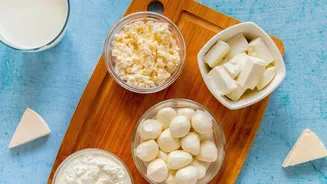
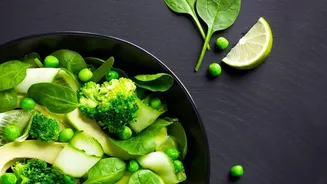
The Indian kitchen is already equipped with numerous calcium powerhouses. Dairy products like milk, curd (yogurt), and paneer are well-known and highly absorbable sources. Beyond dairy, many plant-based foods are exceptionally rich in this mineral. Ragi (finger millet) is a standout, containing significantly more calcium than milk per 100g. Incorporating ragi into rotis, dosas, or porridge is an excellent strategy. Sesame seeds (til), whether in laddoos, chikki, or chutneys, provide a potent calcium boost. Leafy greens like amaranth (chaulai) and moringa (drumstick leaves) are also top-tier sources. A single portion of cooked moringa leaves can offer a substantial part of your daily requirement. Legumes like chickpeas and kidney beans, and calcium-set tofu are other valuable additions to the diet.
Maximising What Your Body Absorbs
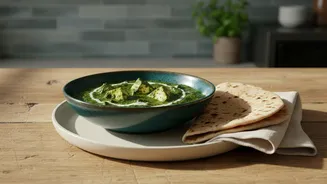
Simply eating calcium-rich foods isn't enough; your body must be able to absorb it. Vitamin D is the most critical partner in this process, as it facilitates calcium absorption in the gut. In a sunny country like India, regular, safe sun exposure is a primary source. However, dietary sources like fortified milk (dairy and plant-based), fortified juices, and certain mushrooms can also contribute. Another crucial factor is managing 'anti-nutrients' like oxalates and phytates, which are present in many plant foods and can hinder calcium absorption. For example, spinach is high in calcium but also high in oxalates, which makes the calcium less available to the body. Traditional Indian cooking methods are a powerful tool here. Soaking and sprouting legumes and grains before cooking significantly reduces their phytic acid content, unlocking more of their mineral goodness.
A Day of Calcium-Rich Eating
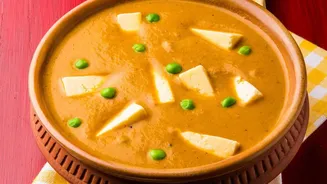
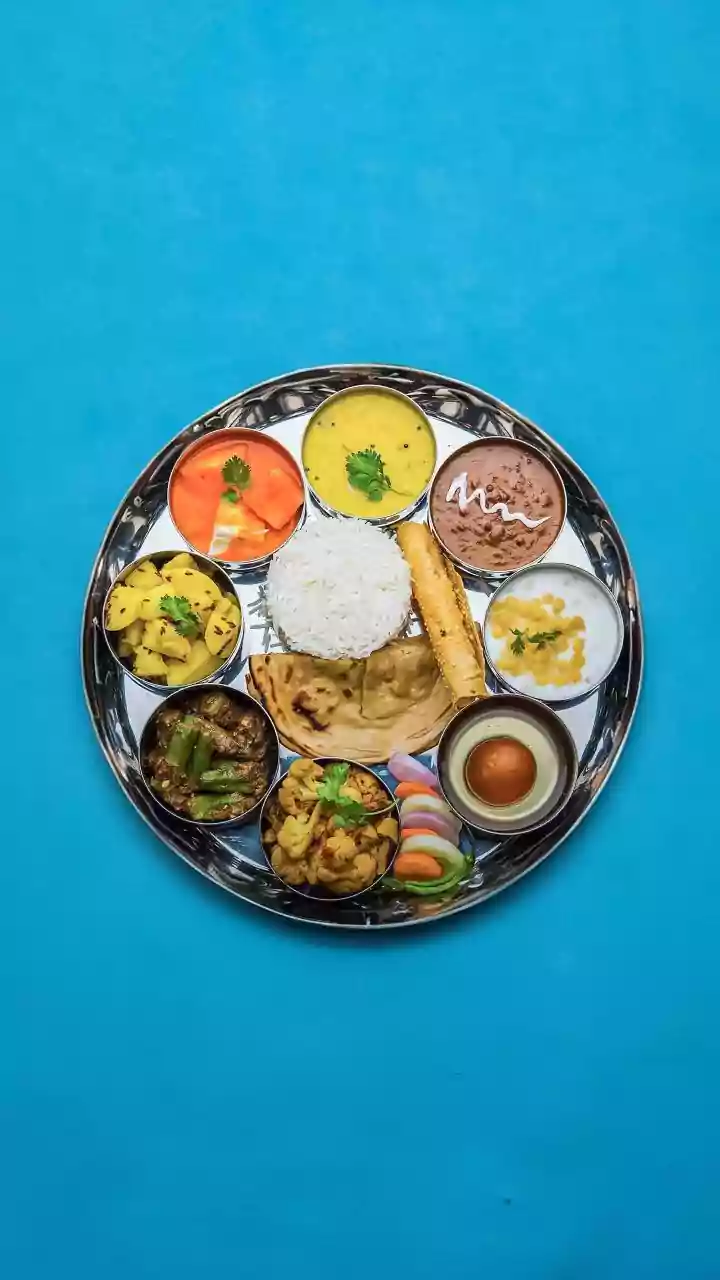
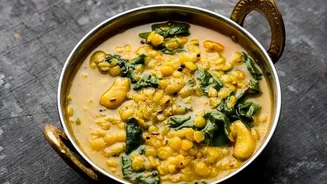
So, what does a food-first calcium plan look like in practice? It's about smart, consistent choices throughout the day. Start your morning with a bowl of ragi porridge or a glass of fortified milk. For lunch, a meal of dal, a sabzi made with amaranth leaves, and a bowl of curd can provide a significant calcium deposit. An afternoon snack could be a handful of almonds or some dried figs. For dinner, consider a paneer curry or a dish made with calcium-set tofu, accompanied by whole-wheat rotis. By spreading your intake across meals, you not only improve absorption but also build a resilient dietary pattern that supports bone health for years to come.