


What is Green Hydrogen?
Before understanding the trains, it's crucial to know the fuel. Hydrogen is the most abundant element, but its environmental friendliness depends on how it's produced. 'Green hydrogen' is the cleanest form, created by splitting water into hydrogen and oxygen
using electricity from renewable sources like solar or wind. This process, called electrolysis, results in a fuel that produces zero greenhouse gas emissions. Unlike 'grey' or 'blue' hydrogen, which rely on fossil fuels, green hydrogen offers a truly sustainable energy cycle, making it a key pillar in the global push for decarbonisation.
How Do These Eco-Friendly Engines Work?
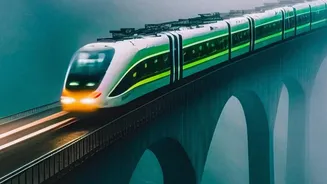
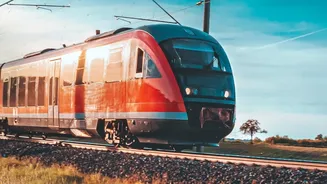
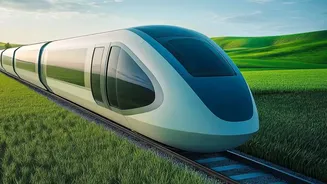
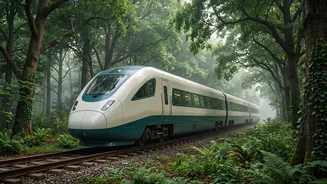
A hydrogen train is essentially an electric train that generates its own power onboard. Instead of drawing electricity from overhead lines, it uses a fuel cell. In this device, hydrogen stored in high-pressure tanks reacts with oxygen taken from the air. This electrochemical reaction produces electricity to power the train's motors. The only by-products are heat and water vapour, making the train a zero-emission vehicle at the point of use. This technology eliminates the noise and harmful exhaust fumes of traditional diesel locomotives, offering a quiet and clean ride.
A Perfect Match for Vintage Tracks
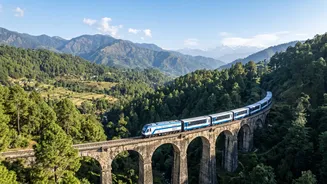
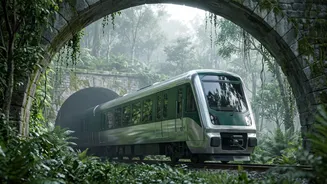
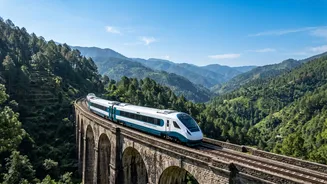
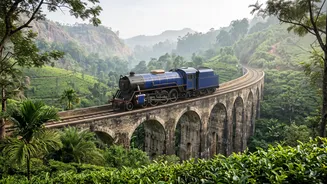
Heritage railways present a unique set of challenges that make hydrogen an ideal solution. Many of these routes run through ecologically sensitive areas, national parks, or historic landscapes where the smoke and soot from diesel or coal engines are particularly damaging. Furthermore, electrifying these lines with overhead cables is often prohibitively expensive and visually intrusive, destroying the historical aesthetic that makes them special. Hydrogen trains require no such infrastructure, allowing them to run on existing non-electrified tracks while preserving the scenic beauty and reducing pollution. This makes them perfect for tourist corridors and hill railways where preserving the natural environment is as important as the journey itself.
India's Vision for Heritage Rail
Indian Railways is actively pursuing this technology under its 'Hydrogen for Heritage' initiative. After launching the country's first hydrogen-powered train on the Jind-Sonipat section in Haryana in July 2026, the focus has shifted to iconic heritage routes. The Kalka-Shimla railway, a UNESCO World Heritage Site, is a prime candidate for this green transition. Plans have been in development to introduce hydrogen-powered trains on this and other narrow-gauge hill railways, including the Darjeeling Himalayan Railway and Nilgiri Mountain Railway. This aligns with India's broader goal of achieving Net Zero emissions by 2070 and showcases the nation's commitment to adopting next-generation, indigenously developed clean energy solutions in its vast rail network.
Challenges on the Path to a Greener Past
Despite the clear benefits, the transition is not without hurdles. The primary challenges are cost and infrastructure. Green hydrogen production is still expensive, though costs are expected to decrease with scale. Retrofitting heritage locomotives or building new ones is a significant investment. Moreover, a new infrastructure for producing, storing, and safely refuelling with compressed hydrogen gas is required at stations along the routes. For example, the Kalka-Shimla project requires setting up fuelling stations at Kalka, Barog, and Shimla. Overcoming these financial and logistical challenges will be key to the widespread adoption of hydrogen trains on India's beloved heritage lines.