


The 'Drama' of Waterlogged Soil
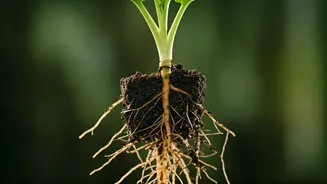
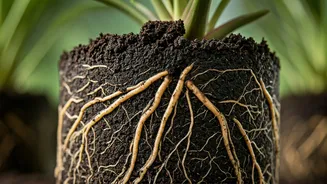
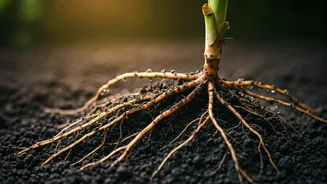
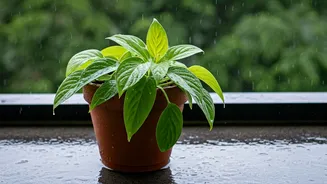
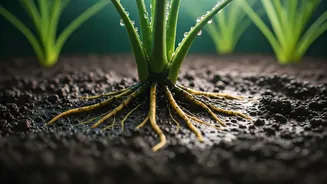
When rain continues for days, the soil becomes saturated. This is more than just a puddle; it's a crisis for plant roots. Roots need to breathe, but waterlogged soil suffocates them by filling the air pockets they rely on for oxygen. This leads to a condition
called root rot, where roots turn brown, mushy, and can no longer absorb nutrients. The initial signs of this underground drama are often misleading: plants may wilt and their leaves might turn yellow, making you think they need more water when the opposite is true. This silent struggle beneath the surface is why proactive drainage is the most critical aspect of monsoon garden care.
Amend Your Soil for Better Flow
The foundation of a flood-proof garden is porous soil. Heavy clay soils, common in many parts of India, are notorious for retaining water and compacting under heavy rain. To counter this, amend your soil before the monsoon arrives. Incorporating organic matter like compost, well-rotted manure, or leaf mould is one of the most effective strategies. These materials improve soil structure, creating larger pores that allow excess water to drain away while retaining enough moisture for plants. For particularly stubborn spots, mixing in coarse river sand or perlite can significantly boost drainage. However, avoid fine construction sand, which can mix with clay to create a concrete-like texture, worsening the problem.
Smart Solutions for Potted Plants
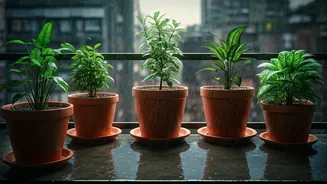
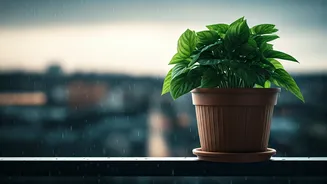
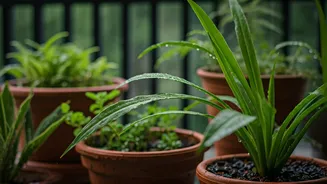
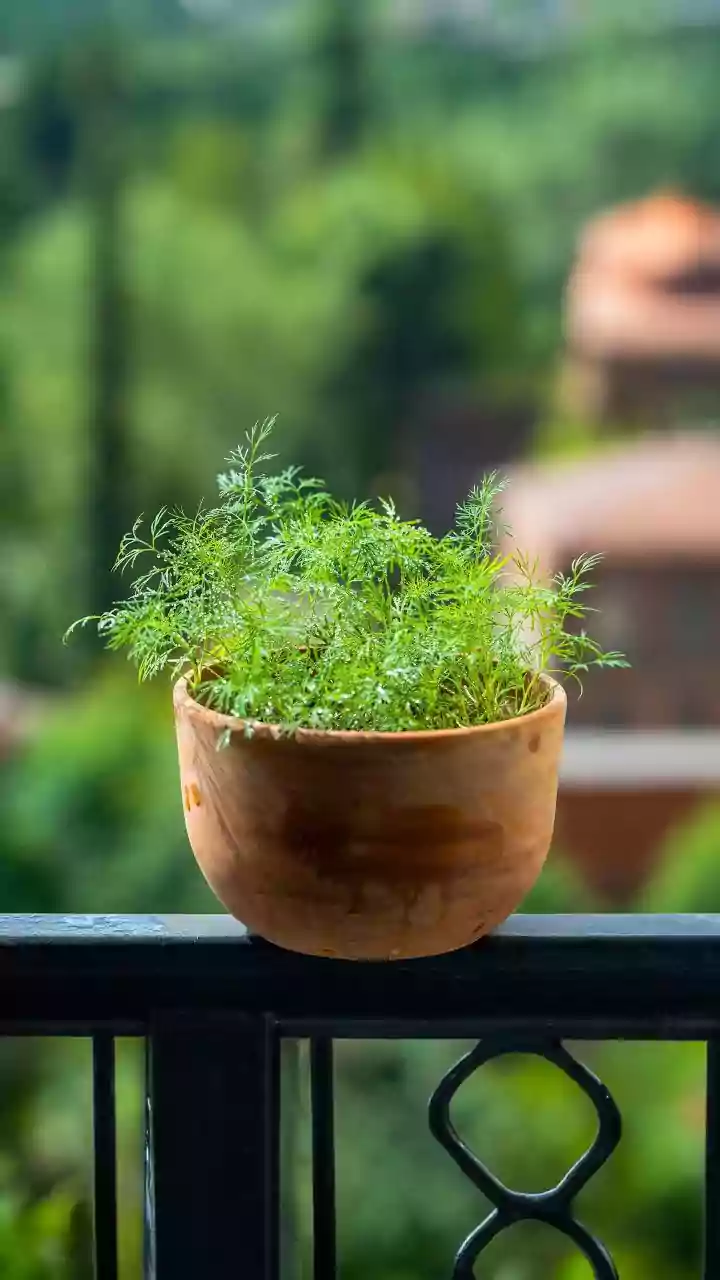
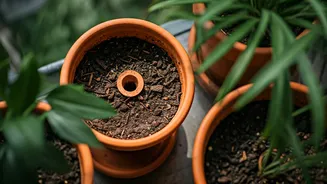
Container gardens are especially vulnerable to waterlogging. The first step is to ensure every pot has adequate drainage holes. During the monsoon, it's crucial to lift your pots off the ground. Placing them on bricks, wooden blocks, or terracotta 'pot feet' allows water to escape freely and prevents the drainage holes from getting blocked by mud. It’s a myth that adding a layer of pebbles at the bottom improves drainage; it can actually create a water table inside the pot. Instead, use a well-draining potting mix throughout. If a pot becomes waterlogged, gently tilt it to help excess water run out. Also, consider switching to grow bags, as their breathable fabric allows moisture to escape from all sides, drastically reducing the risk of root rot.
Create Channels and Raised Beds
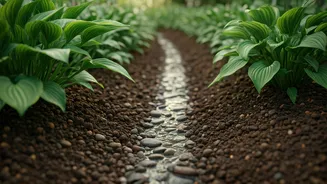
For in-ground gardens, physically guiding water away from your plants can be a lifesaver. If you see puddles forming, use a trowel or a stick to create shallow channels, just a few centimetres deep, that slope away from your plants toward a lower area. This simple technique can prevent water from stagnating around the root zone. An even more effective, long-term solution is to use raised beds. Elevating the planting area, even by just 15-20 centimetres, ensures that roots are kept above the most saturated soil, dramatically improving aeration and drainage. Raised beds give you complete control over the soil composition, allowing you to create the perfect well-draining mix from the start.
Choose Plants That Embrace the Rain
While improving drainage is key, you can also work with nature by choosing plants that are better adapted to moist conditions. Many tropical plants thrive during the Indian monsoon. Hibiscus, for example, loves the moisture and often produces more flowers during this time, provided the soil isn't completely waterlogged. Other excellent choices include canna lilies, elephant ears, and certain varieties of ferns. For edible gardens, consider water-loving greens like water spinach (kalmi saag) or tuberous vegetables like taro (arbi), which are traditional monsoon crops in many regions. These plants are naturally resilient to the challenges of the season and can help ensure your garden remains lush and productive.