




The Age-Old Problem of Urban Flooding
For residents of cities like Mumbai, Chennai, Bengaluru, and Kolkata, the sight of streets turning into rivers during heavy rains is an all-too-common crisis. Rapid urbanization, aging and clogged drainage infrastructure, and the increasing intensity
of rainfall due to climate change have created a perfect storm for annual flooding. Traditionally, civic authorities have relied on reactive measures like deploying pumps and desilting drains after the water has already caused chaos. This approach often proves to be too little, too late, resulting in significant property damage, economic disruption, and risk to life.
Enter the Smart Drainage Sensor
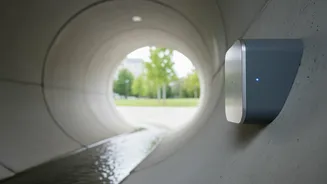
At the heart of the new, proactive approach is a simple yet powerful piece of technology: the smart drainage sensor. These are small, robust devices, often powered by solar energy, installed at critical points within a city's network of stormwater drains. As part of the Internet of Things (IoT), these sensors are designed to monitor one key factor: the water level inside the drain. Using technologies like ultrasonic or radar-based sensors, they constantly measure how full a drain is and whether the water is rising dangerously fast.
How the Real-Time Alert System Works
The process is a seamless flow of information designed for rapid response. First, the sensor, mounted inside a drain, detects that the water has reached a pre-determined critical threshold, for instance, 75% or 80% of the drain's capacity. It immediately transmits this data wirelessly to a central control room. In cities like Bengaluru, this data goes to the Karnataka State Natural Disaster Monitoring Centre (KSNDMC) and is then relayed to the Bruhat Bengaluru Mahanagara Palike's (BBMP) Integrated Command and Control Centre. An automated system then generates an alert, often using a color-coded system—like red for dangerous levels and black for active flooding—which is sent via SMS and other channels to civic officials and disaster response teams.
The Power of a Timely Warning
This early warning is a game-changer. Instead of discovering a flooded area through public complaints, municipal corporations receive a precise, automated alert pinpointing the exact location of the problem. This allows them to take pre-emptive action. Response teams can be dispatched to clear a blockage before it causes an overflow. Traffic police can be notified to reroute vehicles away from areas at imminent risk of waterlogging. In severe cases, it provides a crucial window to alert and evacuate residents in low-lying, vulnerable areas, potentially saving lives and property.
Smart Flood Management in Indian Cities
This technology is no longer just theoretical; it's being actively deployed. Bengaluru has been a pioneer, installing hundreds of solar-powered water level sensors across its vast network of stormwater drains. These sensors are part of a larger system that includes over 100 rain gauges to provide a comprehensive, real-time picture of the city's flood risk. Similarly, Kolkata, with funding from the Asian Development Bank, has implemented a comprehensive city-level flood forecasting system using a network of sensors. Chennai is also integrating IoT sensors into its flood management strategy, combining technological data with citizen-driven reporting to improve accuracy.
Building More Resilient Cities
The benefits of smart drainage sensors go beyond immediate flood alerts. The vast amounts of data collected over time create a detailed map of a city’s hydraulic-related weaknesses. Urban planners and engineers can analyze this data to identify recurring chokepoints in the drainage network, areas with insufficient drain capacity, and locations that need urgent infrastructure upgrades. This data-driven approach allows for more targeted, effective, and cost-efficient long-term planning, helping to build cities that are not just smarter, but fundamentally more resilient to the challenges of a changing climate.