







Registration and Essential Documents
The first step for any pilgrim is mandatory registration through the Shri Amarnathji Shrine Board (SASB). Registration can be completed online via the official SASB website (jksasb.nic.in) or offline at designated bank branches. This process requires
several key documents, most importantly a Compulsory Health Certificate (CHC). The CHC must be issued by a doctor or hospital authorised by the SASB on or after a specific date announced for the yatra season, certifying you are fit for the high-altitude trek. Alongside the CHC, you'll need a valid photo ID like an Aadhaar card and recent passport-sized photographs. Once registration is successful, you will be issued a Yatra Permit and a Radio Frequency Identification (RFID) tag, which is mandatory for tracking and safety. Keep these documents safe and accessible at all times during the journey.
Prioritise Physical and Medical Fitness
The trek to the holy cave reaches an altitude of 3,888 metres (12,756 feet), where oxygen levels are significantly lower. To prepare your body, start a fitness routine at least a month in advance. Daily walks of 4-5 kilometres and practising deep-breathing exercises like pranayama can greatly improve your stamina and lung capacity. It is crucial to be honest about your health. Pilgrims with pre-existing conditions like heart disease, hypertension, or respiratory disorders are advised against undertaking the yatra. The yatra is not permitted for children under 13, adults over 70, or women more than six weeks pregnant. If you experience symptoms of altitude sickness like headaches, dizziness, or nausea, it is vital to rest, hydrate, and if symptoms persist, descend to a lower altitude and seek help from one of the medical posts situated every few kilometres along the routes.
Choosing Your Route: Pahalgam vs. Baltal
There are two main routes to the holy cave: the traditional Pahalgam route and the shorter Baltal route. The Pahalgam route is longer, covering about 46-48 kilometres over 3-5 days. Its gradual ascent makes it less strenuous and is highly recommended for first-timers, families, and those who want to soak in the scenic beauty of the trek. The journey includes stops at places like Chandanwari, Sheshnag, and Panchtarni. The Baltal route is much shorter at approximately 14 kilometres one-way and can often be completed in 1-2 days. However, it is very steep and physically demanding, making it suitable for pilgrims who are very fit and short on time. Your choice of route must be specified during registration and will determine your journey's pace and nature.
Essential Packing: What to Carry
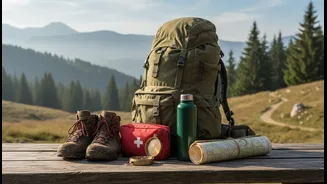
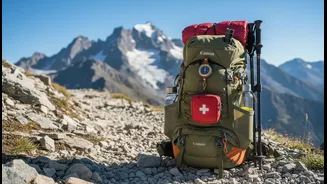
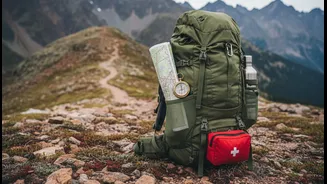
Packing smart is crucial for a comfortable yatra. The weather in the mountains is unpredictable, with possibilities of rain, snow, and sub-zero temperatures, even in summer. Layering is key. Your clothing should include thermal innerwear, warm fleece jackets, and a waterproof and windproof outer jacket. Sturdy, waterproof trekking shoes with good grip are non-negotiable; ensure you break them in before the trip to avoid blisters. Other essentials include woollen socks, gloves, a warm cap, and a sun hat with sunglasses for protection against glare. Carry a basic first-aid kit with painkillers, bandages, antiseptic cream, and any personal medications. A walking stick can provide stability on uneven terrain. Pack high-energy snacks like nuts and chocolates, and carry a reusable water bottle to stay hydrated. Finally, keep your valuables, documents, and electronics in waterproof bags or pouches.
On the Trail: Safety and Etiquette
Once on the trail, always wear your RFID card for tracking. Walk at a steady pace and take regular breaks to acclimatise. Stick to the designated paths and travel in a group whenever possible. Keep your porters or ponies in sight. Listen to announcements from authorities, especially regarding weather updates, as conditions can change rapidly. The yatra administration sets up numerous 'langars' (free community kitchens) along the routes, but carrying some of your own dry fruits and snacks is wise in case of delays. Respect the fragile mountain environment by not littering; plastic is banned on the routes. Remember that only post-paid mobile connections work in the region, with BSNL often having the best connectivity. Cash is essential as ATMs are scarce beyond the base camps.