





The Science Behind the Struggle
When you exercise, your muscles generate a tremendous amount of heat. To cool down, your body relies on its most effective tool: sweat. As sweat evaporates from your skin, it takes heat with it, helping to regulate your core temperature. However, high
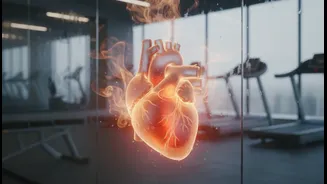
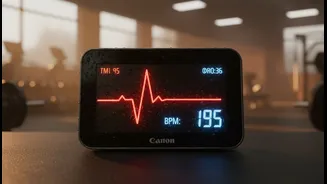
humidity throws a wrench in this finely tuned system. When the air is already saturated with moisture—a common occurrence in July—your sweat can't evaporate efficiently. Instead of disappearing into the air, it drips off your body, providing very little cooling effect. This forces your body's cooling system to work overtime. Your heart must pump more blood to the skin's surface in an attempt to radiate heat away. This means your heart is doing two jobs at once: supplying oxygen to your working muscles and trying desperately to prevent you from overheating. This dual demand results in a higher heart rate for the same level of exertion, a phenomenon known as cardiovascular strain. In essence, your heart works much harder, leaving less blood and oxygen available for your muscles, causing you to fatigue faster.
The Indoor Illusion
It’s a common belief that stepping inside a gym or your living room provides a safe haven from the elements. While air conditioning offers relief from the heat, it doesn't always solve the humidity problem. Many cooling systems don't adequately dehumidify the air, meaning you could still be exercising in an environment where sweat evaporation is compromised. Outdoor humidity can easily influence indoor air quality, especially in spaces with poor ventilation. You might feel cooler, but your body is still battling the invisible stress of high moisture content in the air. Even with the AC blasting, if the relative humidity remains high, your performance will suffer, and your heart will feel the strain. Using a hygrometer to measure indoor humidity can be an eye-opening experience for many fitness enthusiasts.
Listen to Your Body: Recognizing Red Flags
Pushing through the discomfort of a humidity-laden workout isn't a sign of toughness; it can be dangerous. It's crucial to recognize the signs of humidity-induced strain, which can escalate from simple fatigue to more serious conditions like heat exhaustion. Pay close attention to symptoms like unusual lightheadedness or dizziness, nausea, excessive fatigue that doesn't match your effort, and muscle cramps. Another key indicator is a heart rate that seems disproportionately high for your activity level. If you notice any of these signs, it is essential to stop your workout, move to a cooler, less humid space, and rehydrate immediately. Ignoring these warnings can increase the risk of more severe heat-related illnesses.
Adapt Your Strategy, Not Just Your Attitude
The key to maintaining fitness through humid months isn't to simply power through, but to train smarter. First and foremost, prioritize hydration. Drink plenty of water before, during, and after your workout. Since you lose essential minerals through sweat, incorporating an electrolyte drink can also be beneficial. Next, adjust your expectations and your intensity. Ditch the pressure of hitting personal bests. Instead, focus on your rate of perceived exertion (RPE)—how hard the workout feels. If an effort that normally feels like a 6 out of 10 suddenly feels like an 8, it's wise to scale back. Consider reducing the duration of your workouts or incorporating longer rest periods. Finally, think about your environment. If you exercise at home, running a dehumidifier can make a significant difference. If you belong to a gym, you might choose facilities known for better climate control. On the most oppressive days, consider changing your routine to something less cardiovascularly demanding, like yoga or mobility work.