





Why This October Is A Challenge
Typically, October marks a pleasant transition away from the monsoon, with cooler temperatures and fresh, clean air. This year, however, a combination of factors, including a dry monsoon exit, has led to unusually high temperatures and humidity across
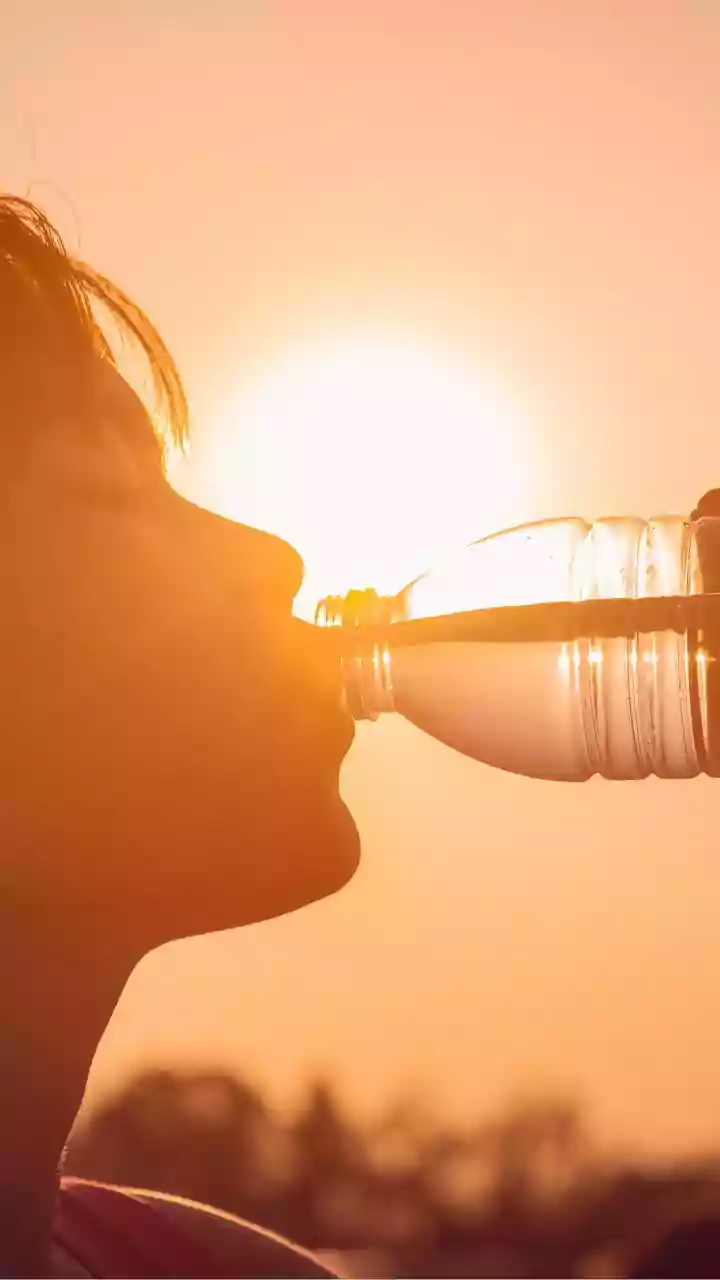
many parts of the country. Cities like Mumbai and Pune have seen temperatures soar well above normal, creating summer-like conditions that can easily lead to dehydration and heat stress if you're not prepared. This intense, humid heat means your body loses more fluids and essential salts through sweat, even when you’re not particularly active.
Go Beyond Plain Water
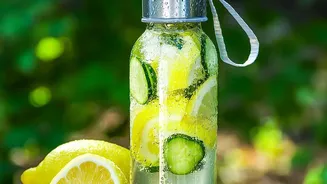
While water is essential, it's often not enough when you're sweating heavily in humid conditions. Sweat contains vital minerals called electrolytes—like sodium, potassium, and magnesium—that regulate your body's fluid balance and muscle function. Drinking only plain water can dilute the remaining electrolytes in your system, which can be counterproductive. To truly rehydrate, you need to replenish these lost minerals. Excellent options readily available in India include coconut water, which is naturally rich in potassium, or a simple homemade 'nimbu paani' with a pinch of salt and sugar to restore both fluids and electrolytes. Buttermilk ('chaas') is another traditional choice that cools the body while providing hydration.
Eat Your Hydration
Around 20% of your daily fluid intake comes not from drinks, but from the food you eat. Incorporating water-rich foods into your diet is a delicious and effective way to boost your hydration levels. Topping the list is cucumber, which is composed of 96% water. Other excellent choices include tomatoes (94% water), zucchini (94% water), and of course, watermelon (92% water). These fruits and vegetables not only provide fluids but also deliver valuable vitamins and antioxidants, supporting your overall health during this demanding weather. A simple salad with cucumber and tomatoes can be a powerfully hydrating meal.
Time Your Intake Strategically
The most common mistake is waiting until you feel thirsty. Thirst is an early sign that you are already on your way to being dehydrated. The key is to drink proactively throughout the day. Start your morning with a glass of water to rehydrate after sleeping. Keep a reusable water bottle with you as a constant visual reminder to sip regularly, rather than chugging large amounts at once. It's particularly important to hydrate before, during, and after any physical activity, even a short walk outdoors. A good rule of thumb is to aim for 8-10 glasses of fluid daily, and increase that amount if you spend time in the heat.
Know the Warning Signs
Recognising the early symptoms of dehydration can help you take action before it becomes serious. The first clues are often thirst, a dry mouth, and passing dark-coloured urine. As dehydration progresses, you might experience headaches, dizziness, fatigue, and muscle cramps. More severe signs include a rapid heartbeat, confusion, extreme tiredness, and sunken eyes. If you notice any of these symptoms, especially the more severe ones, it's crucial to find a cool place, rest, and start rehydrating with an electrolyte-rich drink immediately.
What to Limit or Avoid
Some drinks can work against your hydration efforts. While a moderate amount of caffeinated beverages like coffee and tea can contribute to your daily fluid intake, they can also have a diuretic effect in larger quantities, causing you to urinate more frequently. Sugary drinks, sodas, and packaged fruit juices are poor choices for hydration. Your body has to process the high sugar content, which can slow down the absorption of water. Alcohol is particularly dehydrating and should be avoided, especially during the hottest parts of the day. Stick to water, natural electrolyte drinks, and water-rich foods as your primary sources of hydration.