





A New National Vision
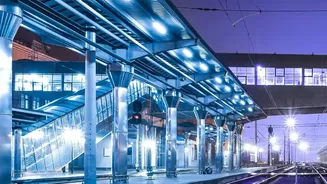
At the heart of this change is the Amrit Bharat Station Scheme, a nationwide initiative by the Ministry of Railways to modernise over 1,300 stations. The scheme moves away from simple renovation, adopting a long-term strategy to turn stations into vibrant
'city centres'. The core idea is to develop each station according to its specific needs, passenger load, and potential for urban integration. This approach seeks to not only improve the passenger experience but also to make these terminals catalysts for local economic growth and better urban planning. By designing stations to reflect local culture and architecture, the initiative aims to balance modern development with regional heritage.
More Than Just a Station
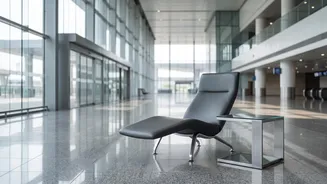
The redeveloped terminals are being equipped with amenities comparable to modern airports. Features include fully air-conditioned concourses, spacious waiting halls, executive lounges, and food courts. For example, the redeveloped Gandhinagar Capital station in Gujarat is designed as a 'city centre rail mall' with retail outlets and even a five-star hotel situated above the tracks. Similarly, Rani Kamalapati station in Bhopal, the country's first to be redeveloped under a public-private partnership, offers facilities like business centres and a hospital. This expansion of services transforms the station from a mere transit point into a destination for commerce, leisure, and public life, serving both travellers and the local population.
Engineering Urban Connectivity
A key objective of the redevelopment is to seamlessly integrate railway stations with the wider urban transport network. This involves creating easy connections to metro lines, bus depots, and providing well-planned access roads and parking facilities. The Sir M. Visvesvaraya Terminal (SMVT) in Bengaluru, India's first fully air-conditioned terminal, was specifically designed to ease congestion at other major city stations. Plans for SMVT include skywalks and better links to the nearby Baiyappanahalli Metro station to ensure smooth first- and last-mile connectivity. This focus on multi-modal integration is crucial for reducing traffic congestion around station premises and making public transport a more attractive and efficient option for commuters.
Creating New Public Spaces
Beyond commercial and transport functions, these redeveloped stations are creating valuable public spaces in congested urban environments. Many new designs incorporate roof plazas, landscaped areas, and dedicated zones for showcasing local arts and crafts under the 'One Station One Product' initiative. The grand concourses and waiting areas are designed not just for utility but also for comfort and aesthetic appeal, providing clean and safe environments. By opening up station premises with improved lighting, seating, and accessible design for all, including persons with disabilities, Indian Railways is fostering a more inclusive public realm. These spaces offer citizens a place to wait, meet, and engage, effectively expanding the city's social infrastructure.