
From Lattes to a New Frontier
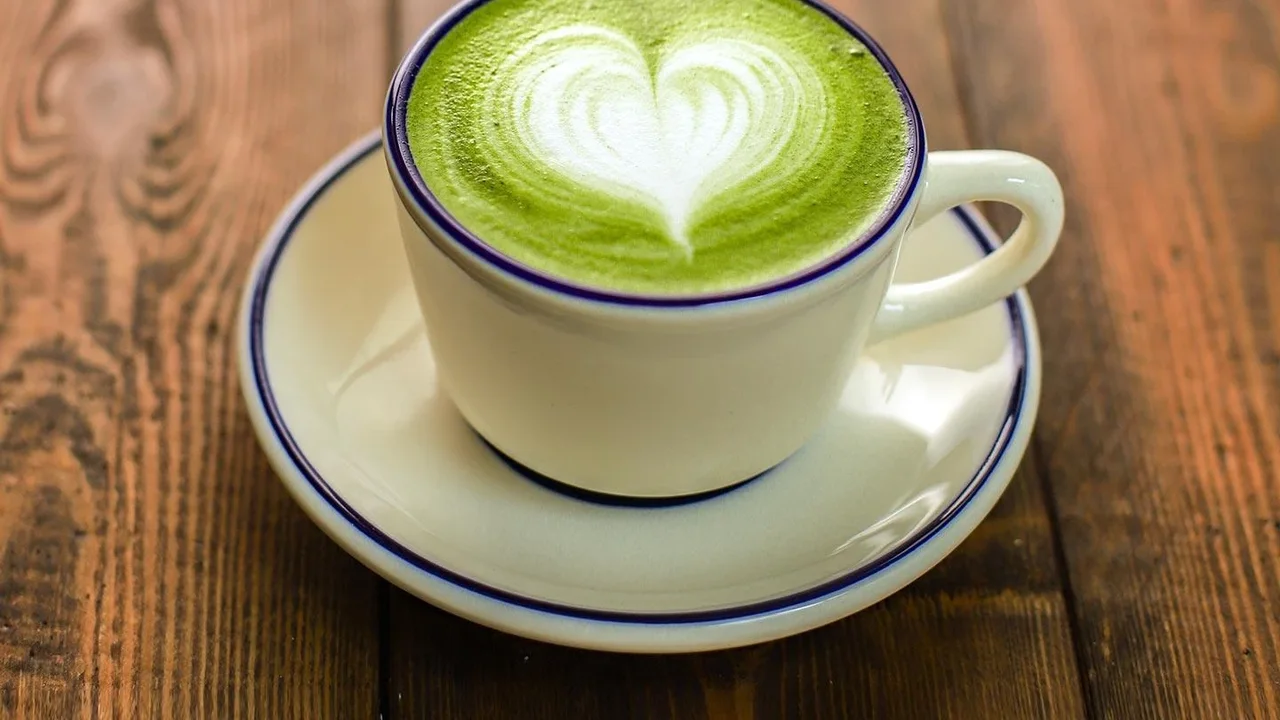
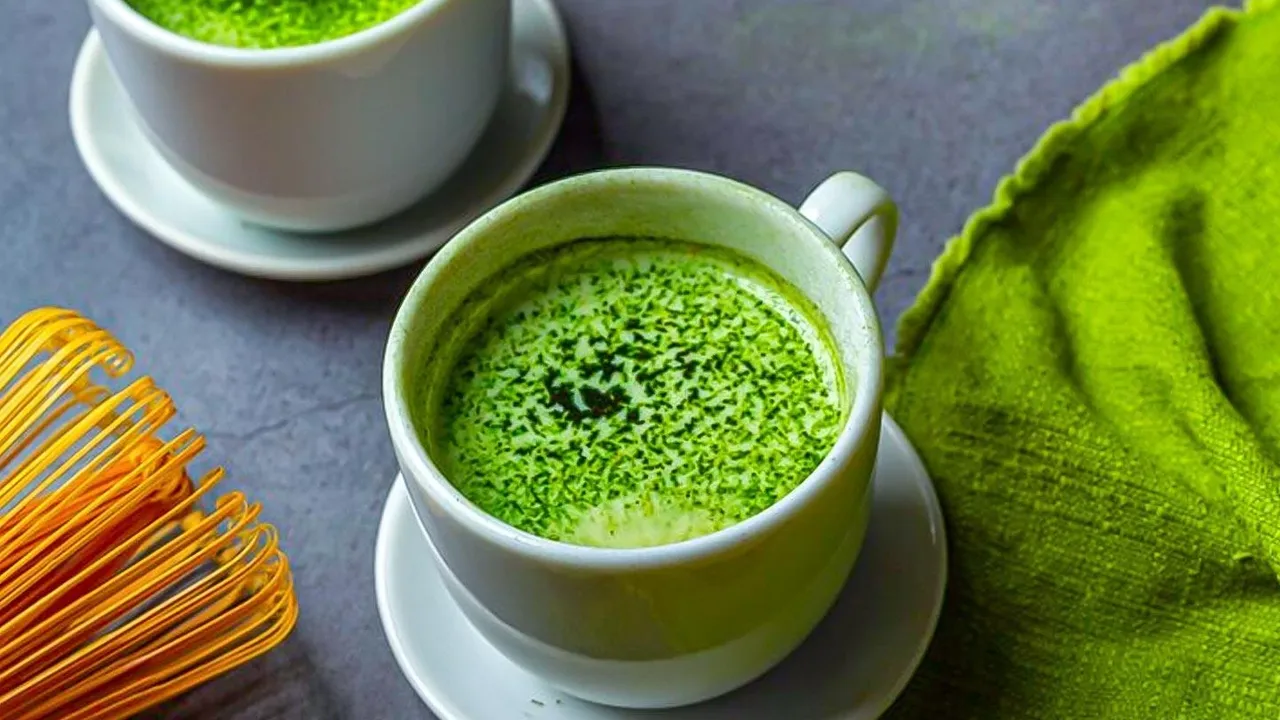
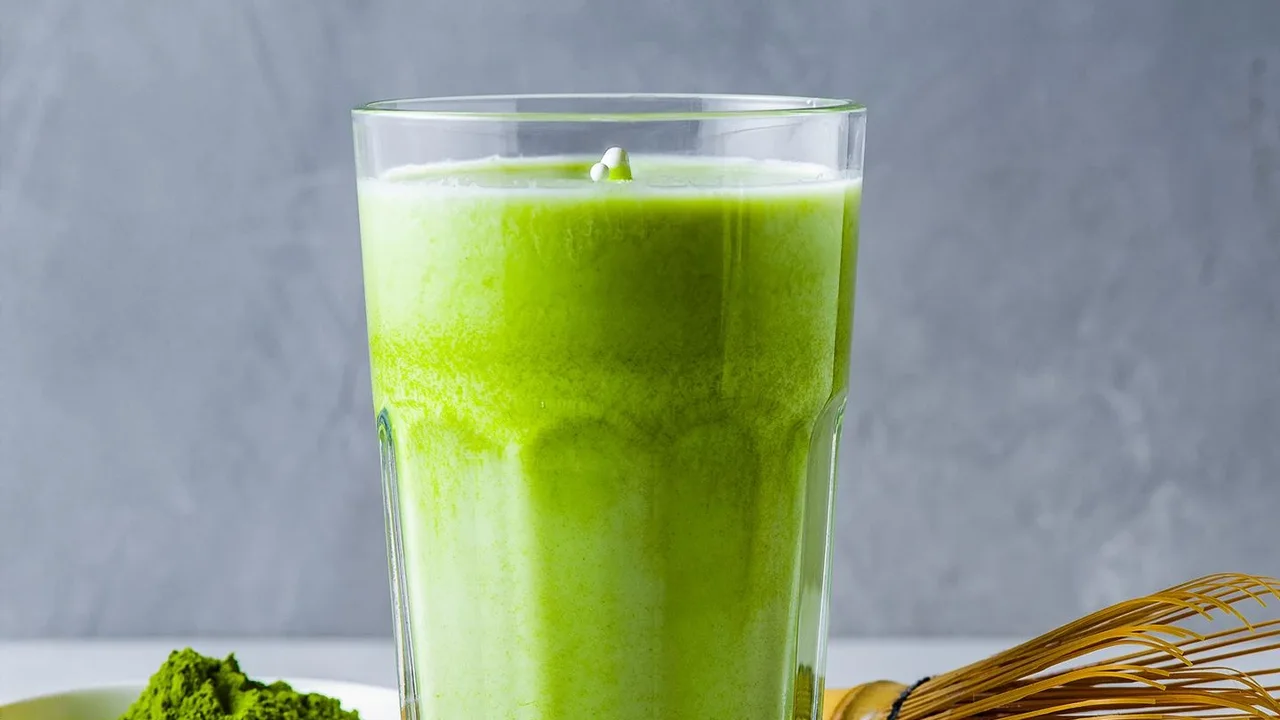
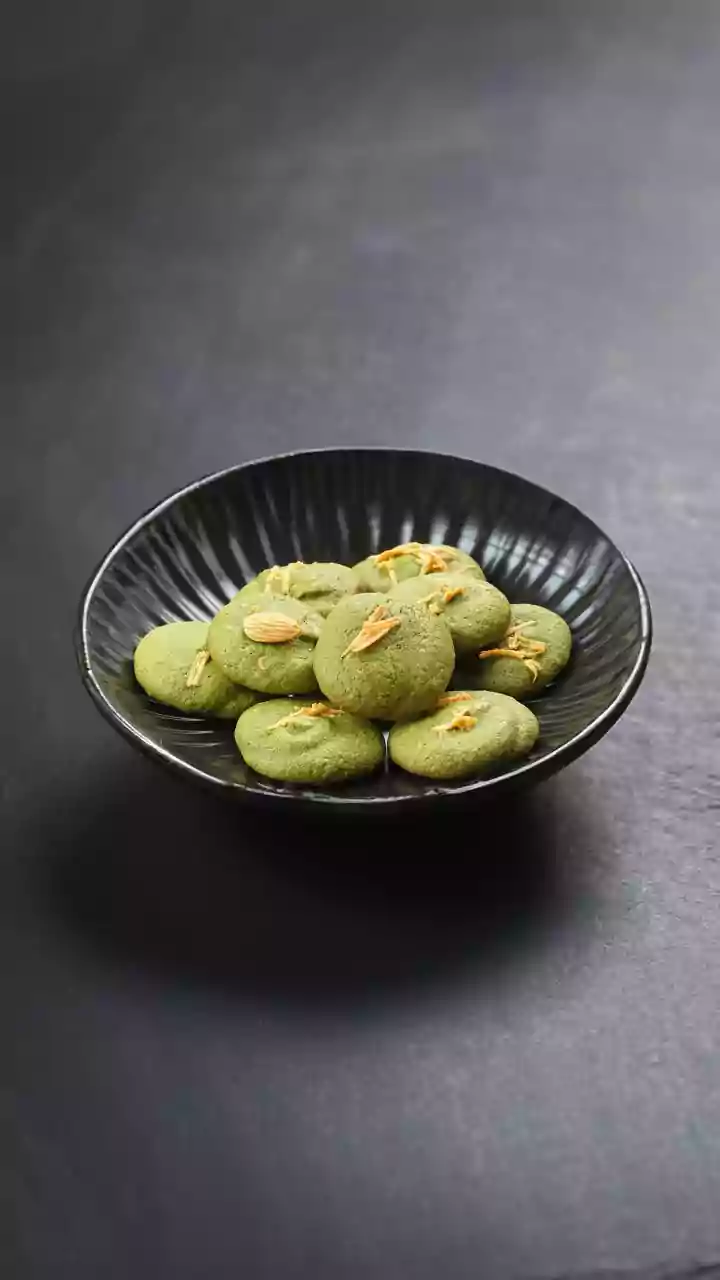
Matcha’s first wave of global popularity was built on a foundation of sweet, approachable creations. The matcha latte became as common as a cappuccino in many urban cafes, followed closely by matcha-infused ice cream, cookies, and croissants. These items
introduced millions to matcha's unique, slightly grassy flavour and its vibrant, photogenic hue. It became a symbol of mindful energy and clean living. But that was just the beginning. The global matcha market has continued to expand rapidly, with a significant portion of that growth coming from its use as a culinary ingredient in food manufacturing. This has laid the groundwork for a new, far more adventurous phase, one that moves beyond the safety of sugar and milk.
What Does 'Experimental' Look Like?
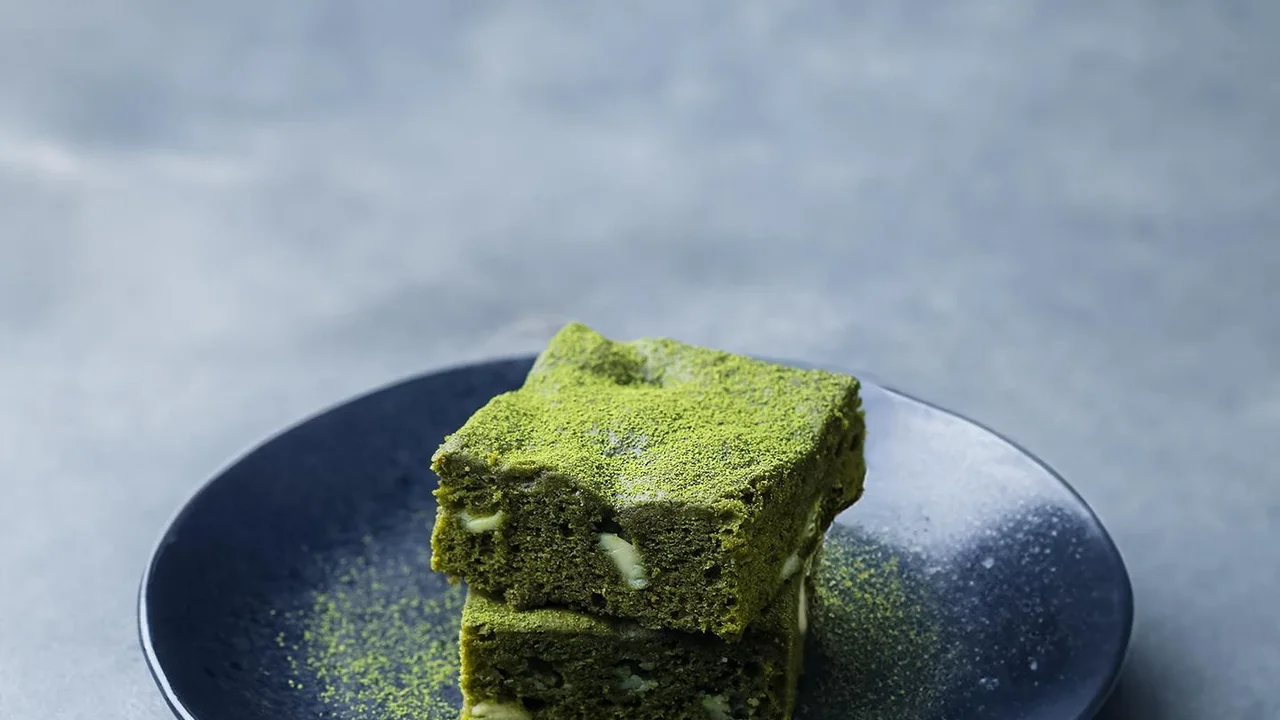
The new era of matcha is decidedly savory, and at times, downright strange. On social media and in adventurous kitchens, chefs and home cooks are exploring matcha's earthy, umami-rich potential. Imagine a plate of pillowy matcha gnocchi tossed in a miso butter sauce or handmade pizza with matcha kneaded directly into the dough. The trend has spawned condiments like matcha aioli for dipping fries and whipped matcha butter to spread on toast. Even main courses aren't immune, with recipes for matcha-marinated chicken skewers and matcha ramen making the rounds. This experimentation extends to beverages, too, with brewers and mixologists creating matcha-infused beers and cocktails, capitalizing on both its distinct flavour and striking colour to capture attention.
The Social Media Fuel
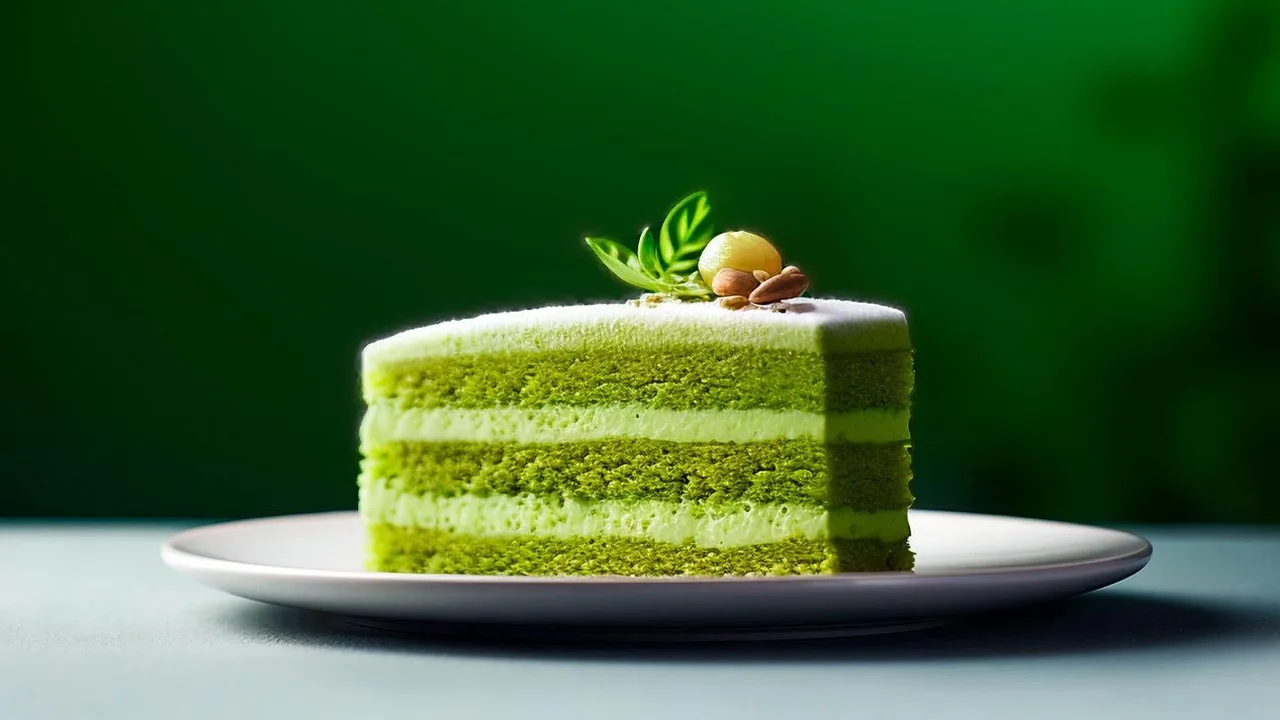
This wave of creativity is being amplified by platforms like TikTok and Instagram, where novelty and visual appeal are rewarded with viral fame. Social media conversations around matcha have surged, with food influencers constantly searching for the next big thing. The powder's brilliant green colour makes any dish instantly eye-catching, a crucial element for a post to stand out in a crowded feed. Viral trends like the “matcha dot cake” or a layered cherry matcha latte are born from this dynamic, encouraging an endless cycle of creation and imitation. The more unusual the application—like Pizza Hut’s matcha pizza in Asia—the more conversation it generates, driving both curiosity and intrigue. This online buzz translates directly into real-world demand, pushing cafes and brands to innovate.
More Than Just a Pretty Green
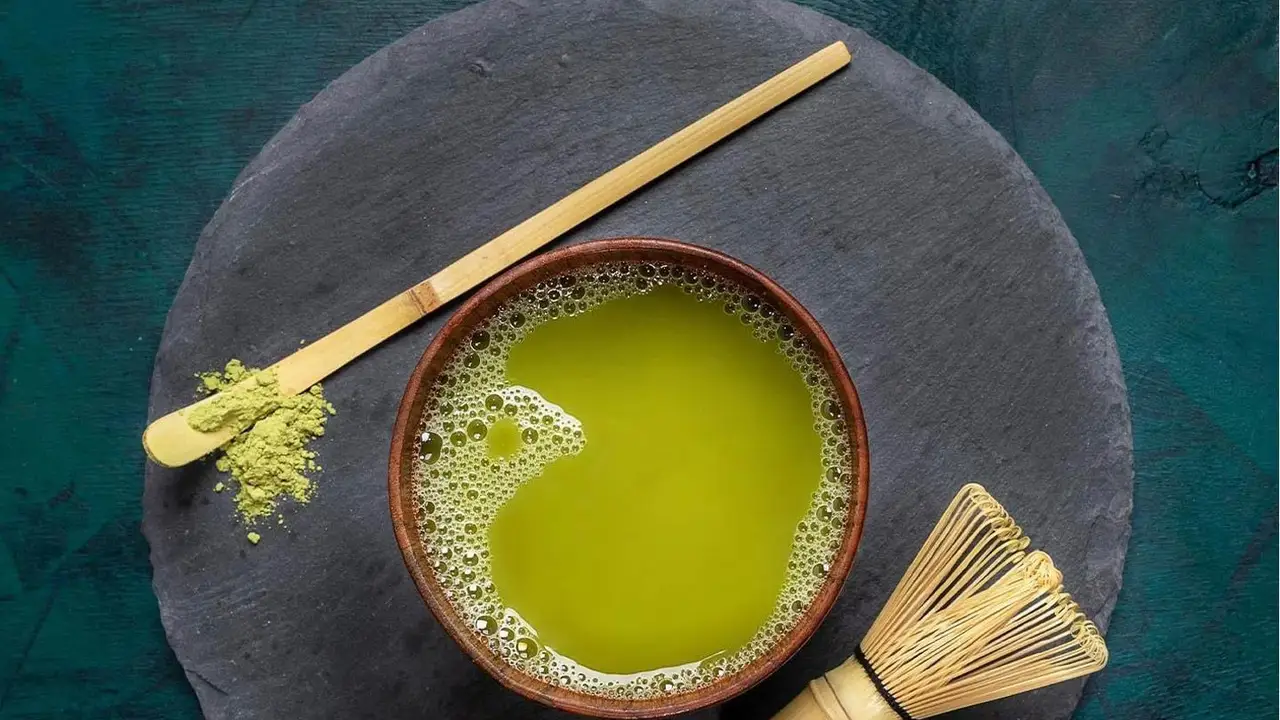
So, why is this happening now? The trend is powered by several converging factors. Firstly, there's the ongoing consumer interest in functional foods. Matcha is packed with antioxidants and L-theanine, an amino acid associated with a feeling of calm focus, making it a popular alternative to coffee. As it moves into food, it brings that wellness halo with it. Secondly, as palates become more global, there's a greater appreciation for complex flavours like umami, which matcha delivers. Lastly, after years of seeing matcha in lattes, consumers are primed for something new. The culinary-grade matcha used for cooking is also more affordable than the ceremonial grade reserved for tea, making experimentation more accessible for both home cooks and commercial kitchens.
The Future Is Green
For a country with a deep-rooted tea culture like India, the evolution of matcha presents an interesting parallel. While traditional chai remains king, the growing curiosity around global food trends, particularly among urban youth, opens the door for new interpretations. We're already seeing local cafes offer creative twists like matcha mango lassis, blending a global trend with a familiar Indian flavour profile. As home cooks become more adventurous, it's not hard to imagine savory matcha experiments finding their way into the modern Indian kitchen, perhaps as a seasoning for snacks or a twist on classic breads. The journey of matcha from a ceremonial Japanese tea to a versatile global ingredient is a testament to our endlessly creative and connected food culture.