





1. Only Chasing Popular Destinations
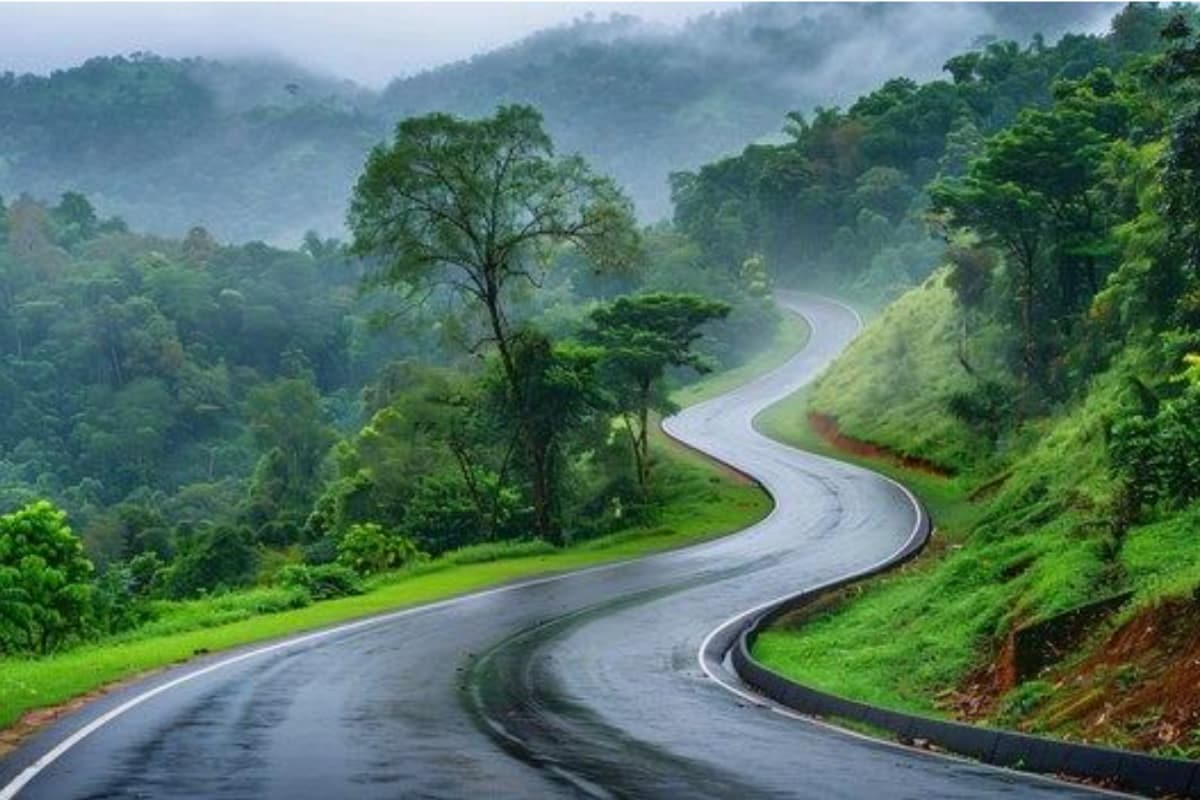
Lonavala, Mahabaleshwar, and Coorg are monsoon favourites for a reason, but their popularity comes at a price. During the peak rainy season, hotels and transport in these hotspots often see significant price surges. The mistake is overlooking equally
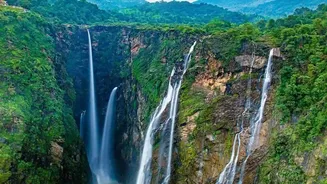
beautiful but less crowded alternatives. Destinations like the Western Ghats in Maharashtra, Wayanad in Kerala, or parts of Rajasthan like Udaipur offer stunning monsoon scenery without the inflated tourist rates. Many of these places provide a more peaceful experience and better deals on homestays and guesthouses. For instance, while Goa is famous, its off-season monsoon charm means cheaper stays and quieter beaches. Exploring an offbeat location not only saves money but also offers a unique adventure away from the crowds.
2. Leaving Bookings to the Last Minute
While a spontaneous trip sounds romantic, it’s a costly habit. Airlines and hotels use dynamic pricing, which means fares skyrocket as travel dates approach, especially for weekend travel. Booking flights, trains, or even buses just days before a monsoon long weekend can see prices increase by 25-40% or more. This is because fewer seats are available, and demand is high. The same logic applies to sought-after resorts and hotels, which fill up quickly. To make your trip more affordable, plan at least a few weeks ahead. Booking your transport and accommodation in advance is one of the most effective ways to lock in lower prices and avoid the stress of last-minute availability issues, ensuring your funds are spent on experiences, not expensive tickets.
3. Ignoring Smart Transport Choices
Your travel budget doesn't just end with getting to the destination; it also includes getting around. A common error is relying solely on private taxis or app-based cabs for local sightseeing, especially in tourist towns where fares can be heavily inflated. Using local public transport like buses or shared autos is a great way to cut down on expenses. For longer journeys, consider overnight trains, which save you the cost of a night's accommodation. If you are driving your own vehicle, factor in the cost of fuel and potential tolls. Also, be wary of inflexible package tours that might not suit your schedule. Booking transport and stays independently often provides more flexibility and can be cheaper, especially if rain disrupts your plans.
4. Not Packing for the Weather
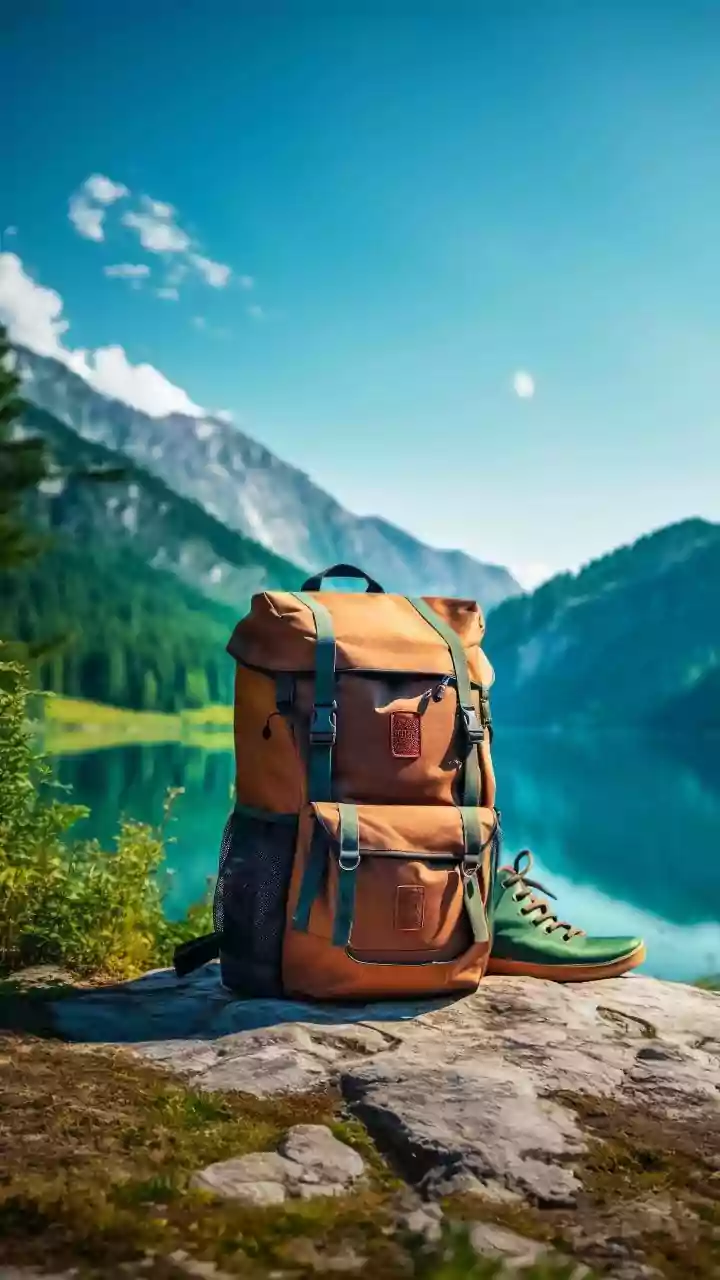
Underestimating the monsoon's intensity is a recipe for unplanned spending. Forgetting to pack a good quality raincoat, umbrella, or waterproof footwear can force you to buy them at your destination, often at inflated tourist prices. Furthermore, inadequate gear can ruin your plans; getting drenched can lead to discomfort, illness, or damaged electronics like phones and cameras. It's crucial to pack waterproof bags or pouches for your gadgets and important documents. Having the right gear not only keeps you comfortable and safe on slippery paths but also prevents you from wasting money on last-minute, overpriced necessities. A little preparation ensures you spend your time enjoying the rain, not running from it.
5. Eating Only at Obvious Tourist Restaurants
Food is a major part of any travel experience, but it can also be a significant expense. The mistake many travellers make is dining exclusively at restaurants located on the main tourist strips or those recommended by hotels. These establishments often have higher prices targeted at visitors. For a more authentic and affordable experience, venture into the smaller, local eateries and dhabas. This is where you'll find delicious regional cuisine at a fraction of the cost. Ask locals for their recommendations or simply explore the side streets away from the central hubs. Not only will you save a considerable amount of money, but you'll also get a true taste of the local culture and flavours.