


Why Monsoon is Tough on Paws
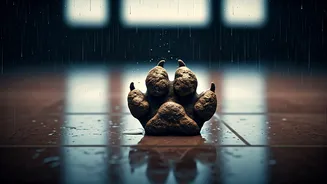
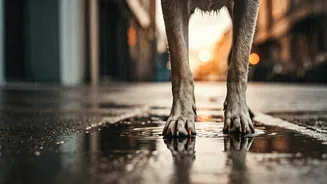
The joy of a monsoon walk comes with hidden risks for your dog. Paws are in constant contact with muddy water, sharp debris, and a host of bacteria and fungi that thrive in the damp, humid environment. This prolonged exposure to moisture can lead to painful
and persistent infections. The spaces between a dog’s toes are warm and don’t dry easily, making them an ideal breeding ground for yeast and bacteria, which can cause irritation, inflammation, and a musty odour. Additionally, the hair between the paw pads can trap mud and moisture, worsening the problem. Constant licking of irritated paws can also break the skin, creating an entry point for more serious infections like leptospirosis, which can be present in stagnant water.
The Essential Post-Walk Cleaning Routine
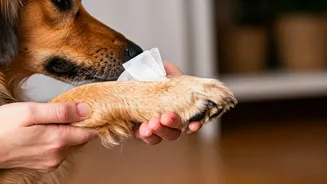
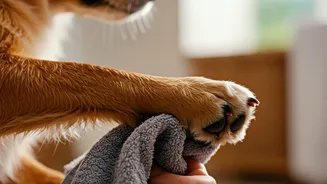
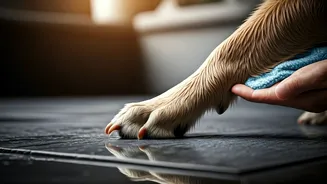
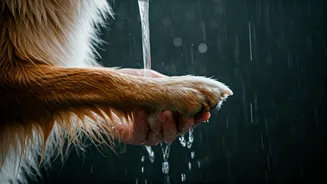
A simple five-minute routine after every single walk is your best defence against monsoon-related paw problems. The goal is to clean and completely dry the paws. For light dirt, a quick clean with pet-safe, alcohol-free wipes can be effective. For muddier walks, a more thorough wash is necessary. Use lukewarm water and a small amount of a gentle, pet-friendly shampoo. Gently massage each paw, making sure to clean between the toes and around the pads where debris accumulates. Some vets recommend a final rinse with a diluted pet-safe antiseptic solution. Always rinse away any shampoo residue to prevent skin irritation.
The Critical Importance of Drying
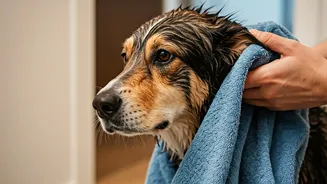
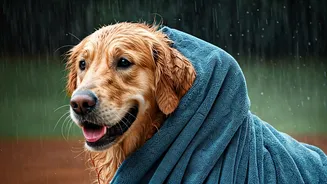
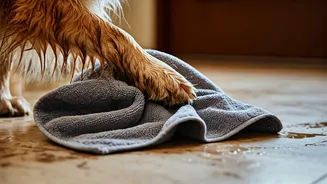
Washing is only half the battle; thorough drying is non-negotiable. Trapped moisture is the primary cause of most fungal and bacterial paw infections during the rainy season. Simply letting your dog 'air dry' isn't effective when humidity is high, as it can take hours for the fur to dry completely. Use a clean, absorbent microfiber towel to dry each paw, paying special attention to the areas between the toes. Gently separate each toe to ensure the webbing is completely dry. For dogs with long fur, you may need to trim the hair between their paw pads at the start of the season to make cleaning and drying easier.
Extra Protection for Healthy Paws
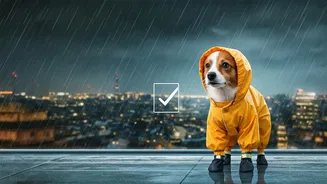
Beyond cleaning, you can take extra steps to protect your dog’s paws. Applying a thin layer of a pet-safe paw balm before and after walks can work wonders. Paw balms create a protective barrier against harsh surfaces and help to moisturize and heal dry or cracked pads. Look for balms with natural ingredients like shea butter, beeswax, or coconut oil. For dogs that are comfortable with them, waterproof booties offer the ultimate protection, keeping paws completely dry and clean during walks.
When to See a Veterinarian
Vigilance is key. Regularly inspect your dog's paws for any signs of trouble. Persistent licking or chewing of the paws is often the first sign of irritation or infection. Other red flags include redness, swelling, a yeasty or unpleasant smell, limping, or visible sores and scabs. If you notice any of these symptoms, it's important to consult your veterinarian promptly. Early intervention can prevent a minor irritation from escalating into a serious and painful infection that requires medical treatment, such as medicated shampoos or other therapies.