







The Camp Conundrum
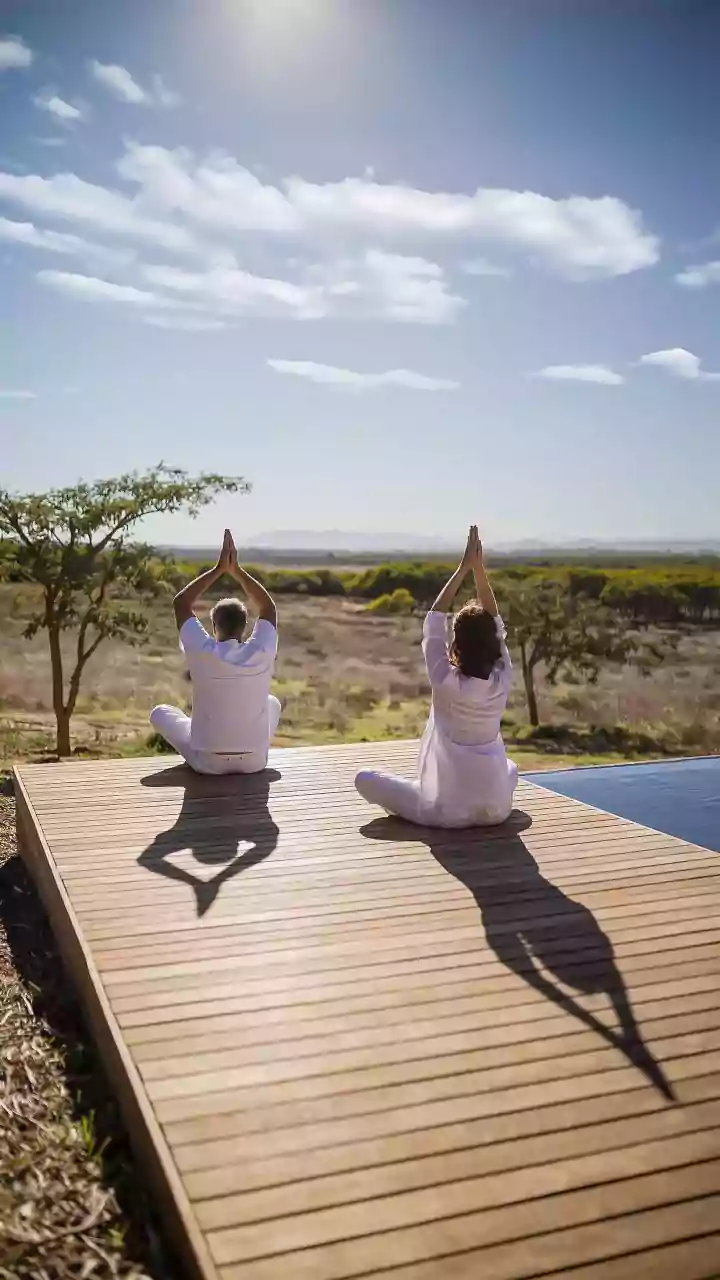
Health camps have their place. They offer a dedicated space to focus on diet, exercise, or digital detoxes. Yet, for many, they feel like a chore. The rigid schedules, prescribed menus, and unfamiliar group settings can feel more like a boot camp than
a blissful escape. The benefits, while real, are often short-lived. Once you return to your daily routine, the controlled environment of the camp vanishes, and old habits creep back in. This cycle of intense, temporary effort followed by a return to the norm can be frustrating and ultimately ineffective for long-term well-being. The core issue is that these camps often treat wellness as a project to be completed, rather than a habit to be integrated.
The Science of a Simple Walk
In contrast, a 'nature break' isn't about rigid rules; it's about immersion. The Japanese practice of *shinrin-yoku*, or 'forest bathing', provides a perfect example. It’s not about hiking or counting steps, but about mindfully engaging your senses with the natural world. Research backs this up with powerful evidence. Studies have shown that spending time in green spaces can lower cortisol (the stress hormone), reduce blood pressure, and improve concentration. Phytoncides, the airborne chemicals that plants emit to protect themselves, have been found to boost our immune system's natural killer cell activity. Essentially, nature provides a free, scientifically-backed therapy session without any appointments or schedules.
Freedom and Flexibility
Perhaps the biggest advantage of nature breaks is their sheer flexibility. A health camp requires significant planning, travel, and expense. A nature break can be a 20-minute walk in a city park during your lunch break, a weekend trip to nearby hills, or simply sitting by the sea and listening to the waves. You don't need a guru or an instructor. Your only guide is your own sense of curiosity and peace. This accessibility democratises wellness. It’s not a luxury reserved for those who can afford a retreat; it's available to anyone with access to a patch of green, a shoreline, or even a quiet balcony with a few plants.
Building a Sustainable Habit
While a week-long health camp might feel like a significant achievement, its impact is often fleeting. The true goal of wellness is sustainability. Because nature breaks are enjoyable and easy to incorporate, they are far more likely to become a lasting habit. Instead of a once-a-year 'fix', you can build a daily or weekly practice that consistently manages stress and boosts your mood. This approach fosters a deeper, more personal connection to your own well-being. It shifts the mindset from 'I need to go somewhere to get healthy' to 'I can cultivate health right where I am, every single day'. This creates a resilient foundation for mental and physical health that a temporary camp can rarely provide.
More Than Just Physical Health
Finally, the benefits of nature extend far beyond the physical. Being outdoors inspires a sense of awe, wonder, and perspective. Staring at a vast sky or a centuries-old tree can make our own problems feel smaller and more manageable. It connects us to something larger than ourselves, fostering a sense of peace that a sterile, indoor environment cannot replicate. Health camps often focus narrowly on metrics—calories, weight, screen time. Nature works on a holistic level, nurturing your mind and spirit just as much as your body. It’s a reset that feels less like an instruction and more like a homecoming.