






From Cable Curiosity to Box Office Kings
Not too long ago, the primary exposure many Hindi-speaking audiences had to South Indian cinema came via late-night satellite television. These were often action films with over-the-top sequences, but the experience was defined by jarring, comically bad
dubbing. The voices rarely matched the actors, the lip-sync was noticeably off, and the translations were so literal they often lost all nuance. This created a perception of South Indian films as a quirky, B-grade alternative to Bollywood's polished productions. They were a guilty pleasure for some, but certainly not considered mainstream contenders for the national box office. The language barrier, poorly handled, effectively kept these vibrant film industries confined to their regional markets, their true potential unseen by a wider Indian audience.
The 'Baahubali' Blueprint
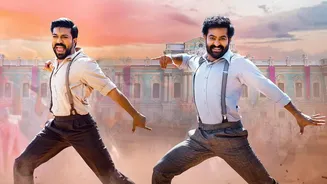
The turning point was S.S. Rajamouli's 'Baahubali: The Beginning' in 2015. Unlike previous films that were dubbed as an afterthought, 'Baahubali' was conceived and executed as a pan-India event from its inception. The producers invested enormous resources not just into the film's spectacular visuals, but into its linguistic presentation. Instead of a quick-and-dirty dub, the Hindi version was meticulously crafted, with respected writer and lyricist Manoj Muntashir adapting the dialogue to resonate with North Indian cultural sensibilities. Prabhas's lines were voiced by veteran actor Sharad Kelkar, whose powerful delivery became iconic in its own right. The film's unprecedented success proved that if you treated the dubbed version with the same respect as the original, audiences would respond. It wasn't just a Telugu film shown in Hindi; it was a national cinematic event. This strategy created the modern pan-India blueprint that films like 'KGF', 'Pushpa: The Rise', and 'RRR' would follow to achieve colossal success.
The Art of a Quality Dub
What 'Baahubali' pioneered, subsequent hits have perfected. The industry has moved from 'dubbing' to 'linguistic adaptation'. Studios now understand that a successful pan-India release requires more than just translating words; it demands transcreating the experience. This means hiring skilled writers who can adapt idioms, jokes, and cultural references for a new audience. It also involves a serious investment in voice casting. No longer are anonymous voice artists used; studios now bring in well-known actors or top-tier voice talent to ensure the dubbed performance is as compelling as the original. This commitment to quality makes the film feel native to the language it's being watched in. When Allu Arjun's swagger in 'Pushpa' is matched by Shreyas Talpade's perfectly pitched Hindi performance, the character's appeal transcends language. Audiences are no longer watching a compromised version; they are getting a complete cinematic experience.
The Subtitle Revolution and OTT
Parallel to the dubbing revolution has been the quiet, but powerful, rise of subtitles, largely thanks to streaming platforms. Services like Netflix, Amazon Prime Video, and Disney+ Hotstar made watching content with subtitles a mainstream habit. This exposed audiences to a vast library of international and regional content, conditioning them to read while they watch. For film purists, this was a revelation. It offered a way to enjoy South Indian films in their original language—be it Telugu, Tamil, Kannada, or Malayalam—and appreciate the authentic performances of the actors without missing the plot. This created a new and significant audience segment that preferred authenticity over adaptation. A viewer in Delhi could now watch a Dhanush film in Tamil or a Fahadh Faasil movie in Malayalam and feel the full impact of their vocal delivery, something a dub could never fully replicate. OTT platforms effectively created a parallel track for consumption, broadening the audience base even further.