





The Vanishing Grandeur of Chettinad
The Chettinad region, once the prosperous home of the Nattukottai Chettiars, is a land of architectural wonders. This powerful banking and merchant community, who traded extensively across Southeast Asia in the 19th and early 20th centuries, channelled
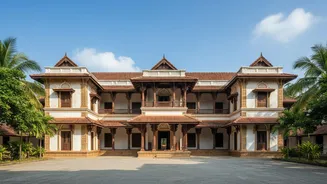
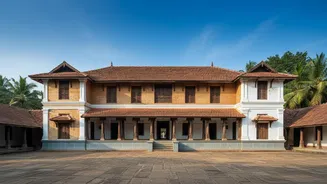
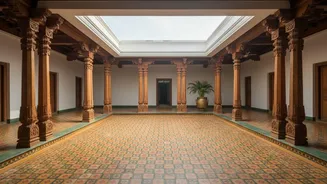
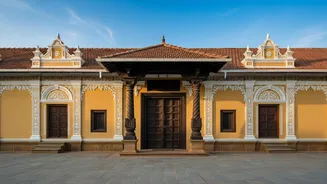
their wealth into building thousands of palatial mansions. These homes were not mere residences but grand statements, often sprawling across acres with up to 50 or more rooms to accommodate large joint families. The architecture was a unique fusion of global influences and local traditions, featuring Burmese teak pillars, Italian marble floors, Belgian stained glass, and intricate Tamil carvings. However, with economic shifts after World War II, many Chettiar families moved away, leaving these magnificent structures to fall into disrepair. For decades, the region’s unparalleled heritage faced the threat of being lost to time.
A New Blueprint for Preservation
In recent years, a new movement has emerged to save these architectural treasures through adaptive reuse. Rather than letting them crumble, conservationists, hospitality groups, and even descendants of the original families have begun meticulously restoring these mansions and converting them into heritage hotels, boutique stays, and cultural centres. This approach provides a sustainable economic model for preservation, where tourism revenues fund the costly and continuous upkeep of these massive properties. Restored properties like the Chettinadu Mansion in Kanadukathan and Saratha Vilas in Karaikudi now offer travellers the chance to stay within walls that breathe history, experiencing the grandeur of Chettiar life firsthand. This model not only saves the buildings but also revitalises the narrative of the entire region.
Inherently Eco-Friendly Design
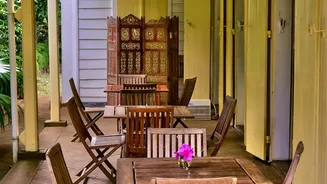
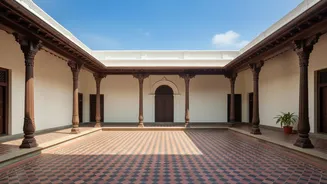
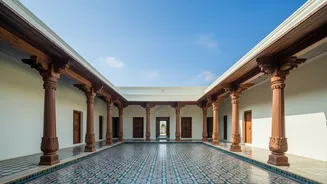
What makes this restoration movement particularly relevant today is its deep connection to sustainable principles. The original Chettinad mansions were marvels of eco-friendly architecture long before the term was coined. Their design incorporated large central courtyards (nadai) and raised verandas (thinnai) that provided natural light and ventilation, keeping the interiors cool in the hot, semi-arid climate. Thick walls made of brick with traditional lime plaster and roofing with clay tiles provided excellent thermal insulation. The restoration process honours these ingenious, passive cooling techniques. Modern efforts focus on using traditional methods and materials, such as the famous lime and eggshell plaster that gives the walls a durable, breathable finish. This commitment ensures the buildings remain energy-efficient, reducing the need for modern air conditioning.
High-Value, Not Just High-End
The travel experience offered by these restored mansions is distinctly 'high-value'. This value extends beyond mere luxury amenities. It lies in the authenticity and cultural immersion that a stay provides. Guests are not just tourists; they become temporary custodians of a rich heritage. The experience is about waking up in a room adorned with antiques, dining on world-renowned Chettinad cuisine prepared with ancestral recipes, and exploring the surrounding villages. This model of tourism is low-impact and high-yield, attracting discerning travellers who appreciate history, culture, and sustainability, and are willing to contribute to the preservation of a unique legacy. It's a shift from mass tourism to meaningful travel, where the stay itself is the destination.
Reviving a Regional Ecosystem
The benefits of this heritage-led tourism ripple throughout the local economy. The demand for restoration has revitalised traditional crafts that were on the verge of disappearing. Artisans who create the iconic, handmade Athangudi floor tiles are finding new markets for their craft, which is now sought after globally. Similarly, the livelihoods of local weavers who produce Kandanghi sarees and craftsmen skilled in intricate woodwork are being supported. These heritage hotels prioritise hiring staff from local communities and sourcing ingredients from nearby farms, creating a circular economy that empowers the region. This ensures that the economic benefits of tourism are distributed widely, fostering community pride and encouraging younger generations to stay and participate in the revival of their culture.