
Makhan Mishri: The Divine Favourite
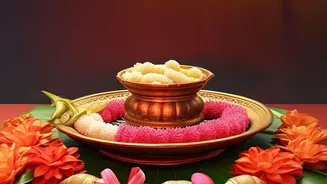
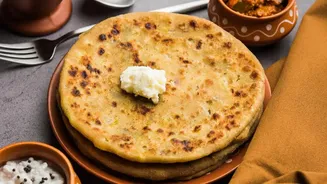
Perhaps the most iconic offering for Janmashtami is Makhan Mishri. This simple, no-cook preparation of fresh, unsalted white butter mixed with rock sugar (mishri) is deeply connected to Krishna's childhood. Known lovingly as 'Makhan Chor' or 'butter thief',
tales abound of a young Krishna's fondness for stealing and eating freshly churned butter. Offering this dish is a direct homage to his playful, divine nature. The creamy, rich butter combined with the sweet crunch of mishri is a delight, representing purity and sweetness. It is a cornerstone of the 'Chhapan Bhog' (56 offerings) and a must-have for the midnight celebrations.
Dhaniya Panjiri: A Prasad with Purpose
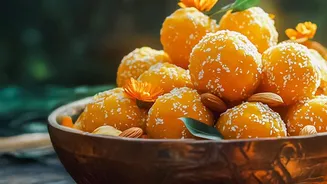
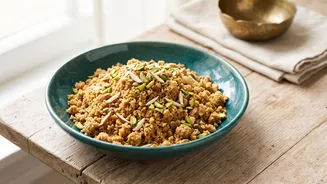
In North India, Janmashtami celebrations are incomplete without Panjiri. While many versions exist, the one made for this festival is typically Dhaniya Panjiri, which uses roasted coriander seed powder instead of whole wheat flour. This makes it suitable for those observing a fast (vrat). Mixed with ghee, powdered sugar, and a generous amount of dried fruits and nuts, this aromatic and nutritious prasad is believed to be one of Lord Krishna's favourites. Beyond its spiritual significance, Dhaniya Panjiri is valued for its health benefits; coriander is known to be cooling and aids digestion, which is especially helpful after a day of fasting.
Gopalkala: A Taste of Togetherness
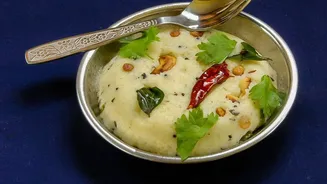
Gopalkala is a savoury Maharashtrian dish that beautifully symbolizes community and friendship. It is a simple mixture of flattened rice (poha), yoghurt, cucumber, fresh coconut, and mild spices. The dish is said to represent the meal Krishna would share with his cowherd friends (gopalas) in the fields. It is also intrinsically linked to the Dahi Handi festival, which follows Janmashtami, where a pot containing Gopalkala is often broken. Its refreshing and light texture makes it a perfect dish to balance the array of sweet treats prepared for the festival.
Seedai: Crunchy Delights from the South
In South India, particularly in Tamil Nadu, Janmashtami is celebrated with the crackle of freshly fried Seedai. These are small, crunchy, deep-fried balls made from rice flour. They come in two main varieties: Uppu Seedai (salty) and Vella Seedai (sweet). Uppu Seedai is savoury, seasoned with salt and spices, while Vella Seedai is made with jaggery, giving it a delightful sweetness. Preparing Seedai is considered an art, with families taking great care to get the texture just right. These bite-sized snacks are a beloved offering to Krishna and a treat for the whole family.
Panchamrit: The Five Nectars
Panchamrit, which translates to 'five nectars', is a sacred concoction used in Hindu rituals, including the bathing of deities (abhishek). It is made from five key ingredients: raw milk, yoghurt (curd), honey, ghee (clarified butter), and sugar. Each ingredient holds symbolic meaning: milk for purity, curd for prosperity, honey for unity, ghee for strength, and sugar for bliss. After being offered to Lord Krishna, this divine drink is distributed among devotees as Charanamrit, believed to purify the mind, body, and soul.
Makhana Kheer: A Creamy Conclusion
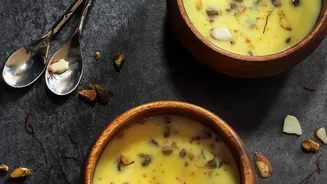
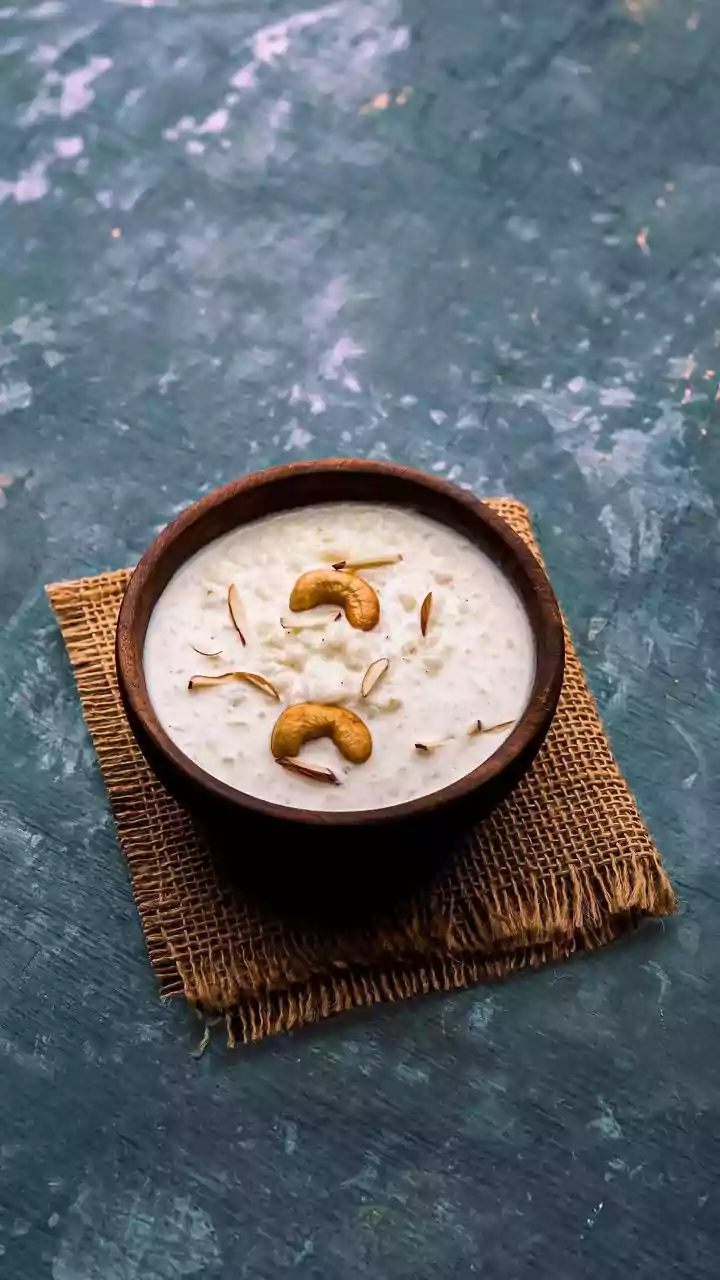
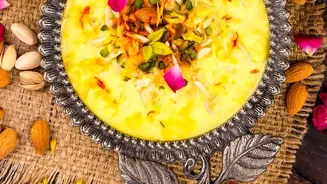
No festival in India feels complete without a form of kheer, and for Janmashtami, Makhana Kheer is a popular choice. This creamy dessert is made with fox nuts (makhana), which are puffed lotus seeds. The makhana is often lightly roasted in ghee before being simmered in milk until it thickens. Sweetened with sugar and flavoured with cardamom and saffron, it's a rich yet light pudding. Garnished with slivered nuts like almonds and pistachios, this kheer is a comforting and delicious way to break the fast and conclude the festive meal.