

Goa: Coastal Beauty and Caution
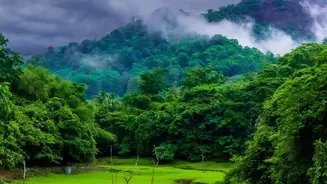
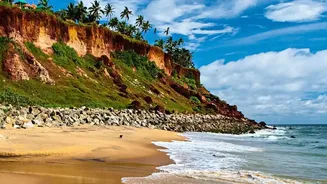
Goa transforms during the monsoon, trading its party-centric vibe for a tranquil, green paradise. The rain washes the landscape clean, waterfalls like Dudhsagar are at their majestic peak, and the countryside is a sea of emerald paddy fields. It's a time
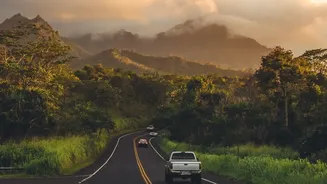
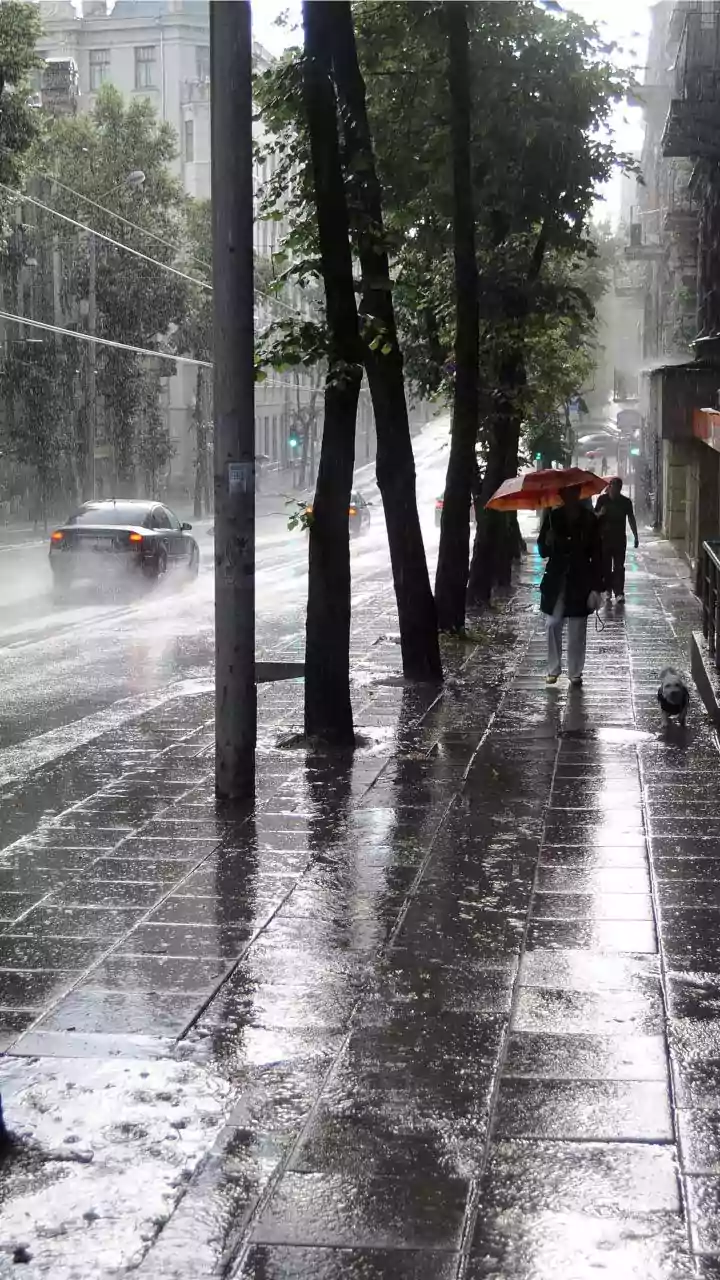
for quiet moments, scenic drives, and enjoying luxury stays at a fraction of the peak season cost. Rain & Weather: The Konkan coast receives heavy rainfall, especially in June and July. Showers can be intense and last for days, or they can come in short, powerful bursts followed by sunny spells. While pleasant, the weather is unpredictable. The Arabian Sea becomes rough, with strong undercurrents making swimming and water sports unsafe and therefore prohibited. Road Risks: The primary road hazard in Goa is waterlogging on low-lying routes and slippery surfaces. Potholes can become a significant issue, making two-wheeler travel particularly risky. However, major highways generally remain open, and road trips are popular, though caution is advised, especially during the first rains when roads are slickest.
Munnar: Misty Hills and Landslide Alerts
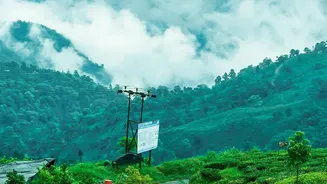
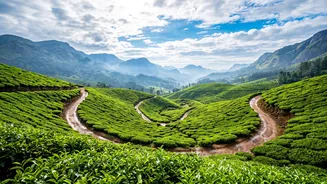
Kerala’s beloved hill station, Munnar, is arguably at its most beautiful during the monsoon. The tea gardens become incredibly vibrant, mist clings to the rolling hills, and waterfalls are in full flow. The cool, clean air and reduced tourist footfall create a serene atmosphere perfect for nature lovers and those seeking a peaceful retreat. Rain & Weather: Munnar experiences persistent rain, from light drizzles to heavy downpours, from June to September. This constant moisture contributes to the lush scenery but also leads to dense fog, which can severely limit visibility at popular viewpoints like Top Station. The weather remains cool and pleasant, but the dampness can bring out leeches on trekking trails. Road Risks: This is the most significant concern for a monsoon trip to Munnar. The region's steep slopes are highly susceptible to landslides, especially after prolonged heavy rain. Key routes from cities like Kochi can experience blockades, and ghat roads are often closed by authorities as a precaution. Trails become slippery and treacherous, making trekking a risky activity. It is crucial to hire experienced local drivers and check road conditions daily.
Shimla: Himalayan Hazards and Disruption
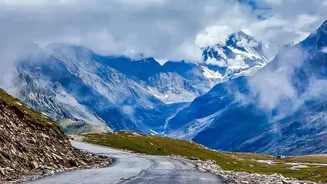
The allure of the Himalayas in the monsoon is strong, with clouds drifting through pine forests and the valleys turning a vivid green. Shimla, as a premier North Indian hill station, offers a cool escape and a different kind of beauty during the rains, attracting those who enjoy slow-paced holidays filled with café hopping and heritage walks. Rain & Weather: August is peak monsoon in Shimla, characterized by frequent and sometimes very heavy rainfall, thunderstorms, and mist. While the temperatures are mild, the persistent wetness and wind can make it feel chilly. The biggest weather-related risk comes from the intensity of the downpours, which can trigger other hazards. Road Risks: The road risk in and around Shimla during monsoon is extremely high. The mountainous terrain is prone to severe landslides and flash floods, which can lead to widespread road closures. Reports from recent monsoons show hundreds of roads, including national highways connecting to Chandigarh, being blocked for extended periods. The Kalka-Shimla toy train service is also frequently suspended due to the risk of landslides on the tracks. Travel in this region requires extreme caution, flexibility, and constant monitoring of official advisories.