





Why Tradition is the New Trend
In a world seeking sustainability, many Indians are looking backwards to move forwards. The age-old practice of hosting feasts is getting a green makeover, not with new technology, but by reviving customs that were always eco-friendly. This movement is about
more than just reducing waste; it's a conscious choice to connect with culture, support local economies, and add a layer of authenticity to celebrations. Instead of plastic plates that pollute, hosts are embracing banana leaves. Instead of ingredients flown from halfway across the world, they are celebrating the bounty of their own regions. This return to roots offers a richer, more meaningful way to entertain, blending cultural pride with environmental responsibility. The result is a festive experience that feels both timeless and perfectly suited for our modern times.
The Humble, Mighty Banana Leaf
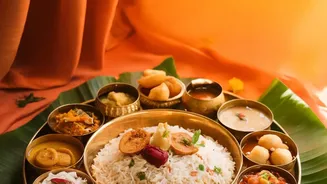
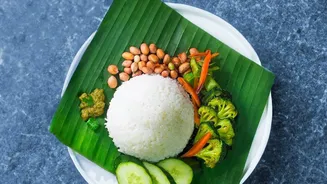
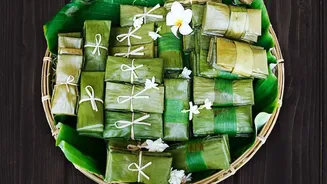
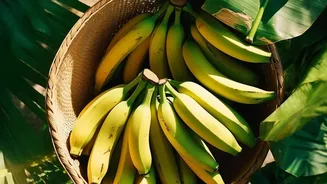
For generations, especially in South and East India, the banana leaf has been the ultimate plate for a feast. Today, its revival is a masterclass in sustainable chic. Banana leaves are completely biodegradable, turning back into soil within a short time and leaving no harmful residue. This makes them a powerfully simple alternative to plastic and styrofoam disposables that clog landfills for centuries. But the benefits are not just environmental. Serving hot food on a banana leaf releases its waxy coating, which imparts a subtle, earthy aroma that enhances the flavour of the meal. The leaves also contain natural antioxidants called polyphenols, similar to those in green tea, which can leach into the food. Furthermore, these large, waterproof leaves are practical, providing ample space for the multiple dishes typical of an Indian festive meal.
Celebrating the Regional Bounty
A truly sustainable feast celebrates what is fresh, seasonal, and local. This approach not only ensures the best flavour but also reduces the carbon footprint associated with transporting ingredients over long distances. Every region in India has its own unique agricultural treasures that shine during different festival seasons. Think of festive menus built around winter vegetables in North India for Lohri, or the use of specific millets and gourds for Pongal in the South. Choosing organic, regional produce also means supporting local farmers and preserving agricultural biodiversity. Planning a festive menu becomes an exciting exploration of local heritage. It’s an opportunity to discover or reintroduce traditional recipes that highlight these ingredients, from vibrant vegetable curries and flavourful rice dishes to sweets made with jaggery instead of refined sugar.
How to Host Your Own Sustainable Feast
Embracing this trend is easier than you might think. Start by sourcing your banana leaves; they are often available at local markets, especially in South Indian grocery stores. Simply wipe them clean with a damp cloth before use. For your menu, plan around what's in season in your area. Visit a local farmers' market for inspiration and talk to the vendors about what’s fresh. When it comes to decorations, think natural. Use flowers, leaves, and earthen lamps (diyas) to create a warm, festive ambience instead of plastic decor. Instead of plastic water bottles, serve water in traditional clay or steel jugs. The goal isn't perfection but mindful choices. Even small changes, like swapping out one plastic item for a sustainable alternative, can make a big difference and add a unique, personal touch to your gathering.