


A Mission to Solve a Martian Mystery
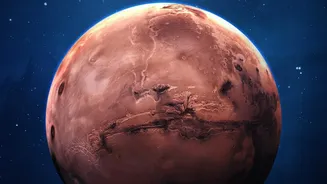
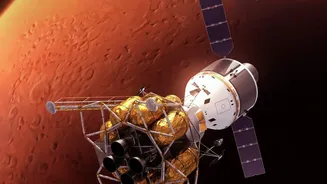
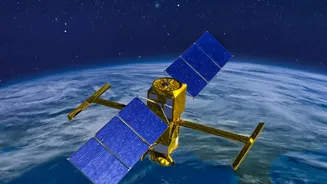
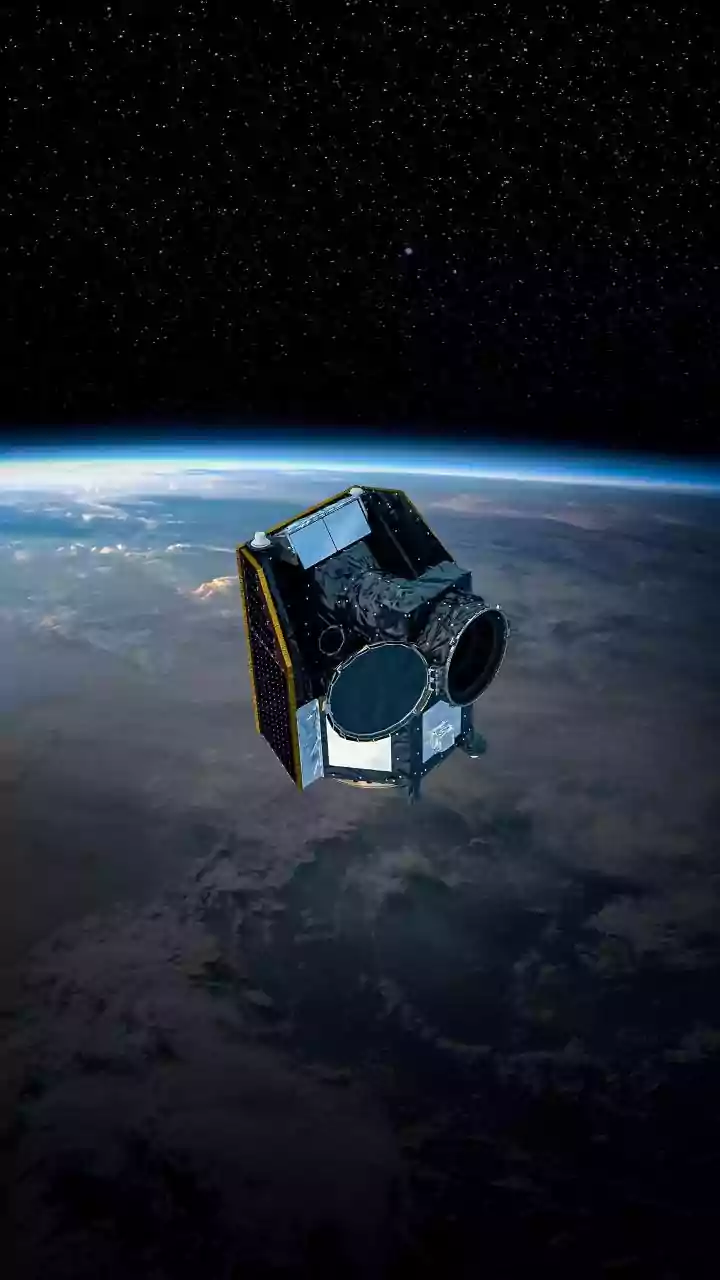
Japan's ambitious Martian Moons eXploration (MMX) mission is officially on its way to the Red Planet. Following a successful launch in October 2026, the spacecraft is now undertaking the year-long journey to Mars, where it will begin an unprecedented
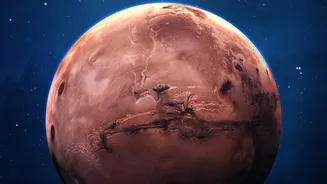
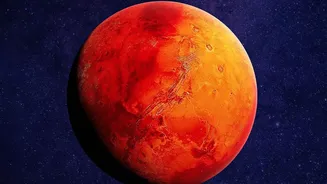
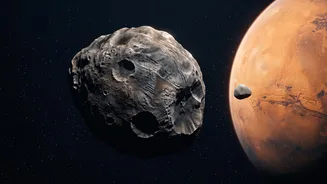
study of its two small, lumpy moons. Led by the Japan Aerospace Exploration Agency (JAXA) with international partners including NASA and European agencies, MMX has a primary goal: to land on the larger moon, Phobos, collect at least 10 grams of surface material, and bring it back to Earth. This would be the first-ever sample returned from the Martian system, promising to unlock secrets about the planet's violent past and the formation of our solar system.
Two Moons, Two Competing Theories
The central question driving the MMX mission is the mysterious origin of Phobos and Deimos. Scientists have long debated two main hypotheses. The first is that the moons are captured asteroids, stray space rocks from the asteroid belt that were snagged by Mars's gravity long ago. Their dark, cratered surfaces and composition appear similar to certain types of primitive asteroids, lending weight to this idea. The second major theory is that they were born from a colossal impact. In this scenario, a large object, perhaps a dwarf planet, slammed into a young Mars, throwing a massive cloud of debris into orbit that eventually coalesced to form the two moons. The problem is that the evidence is contradictory; their composition suggests they are captured asteroids, but their stable, nearly circular orbits are more consistent with the giant impact theory. MMX aims to finally provide a definitive answer.
The Robotic Explorer's Toolkit
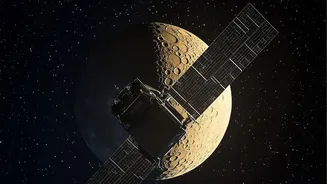
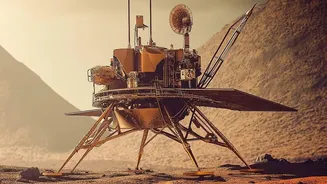
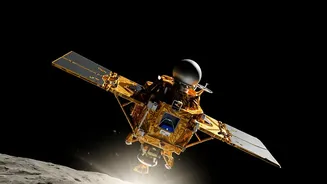
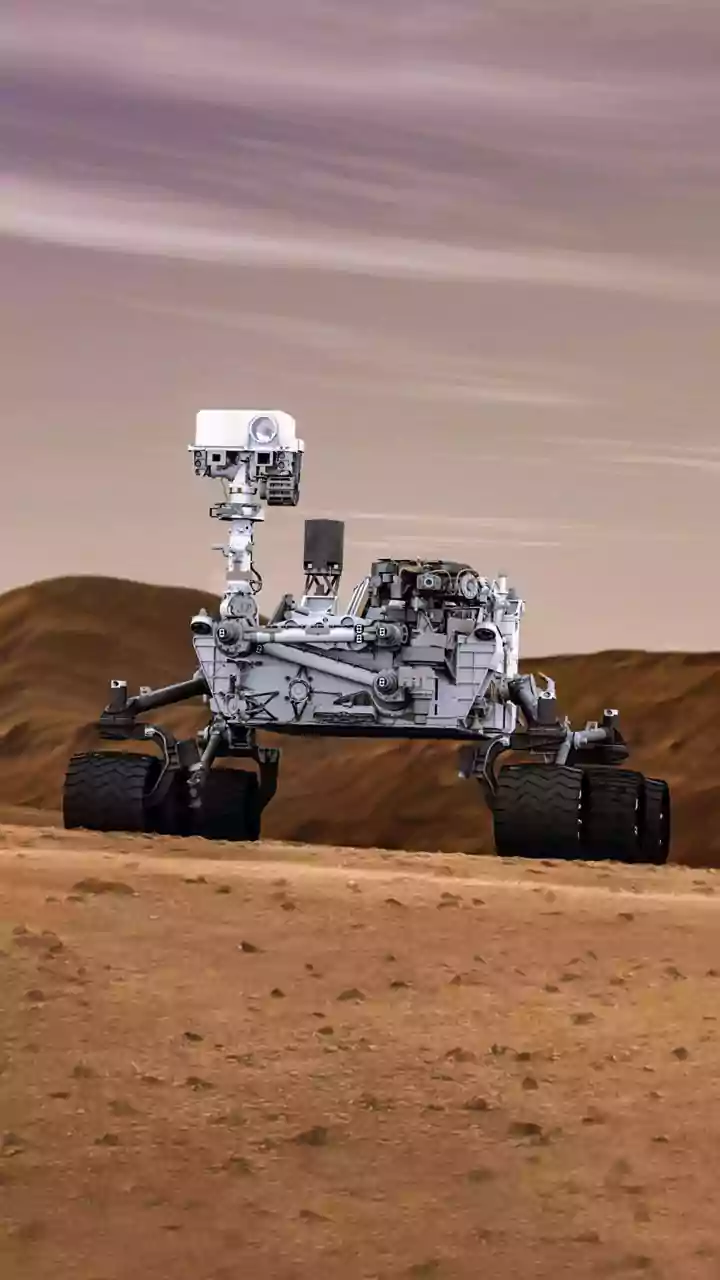
Upon arrival in the Martian system around August 2027, the MMX spacecraft will spend about three years conducting its scientific investigation. It will perform multiple flybys of the smaller moon, Deimos, before settling into a quasi-orbit around Phobos for detailed observation. The probe is equipped with a suite of advanced instruments to map the moons' topography, and analyse their mineral and chemical composition. The mission also includes a small, 25-kilogram rover named 'Idefix', contributed by France and Germany. This rover will be dropped onto Phobos to study the surface properties and help identify the best location for the main spacecraft to land and collect its precious sample.
Bringing a Piece of Mars Back to Earth
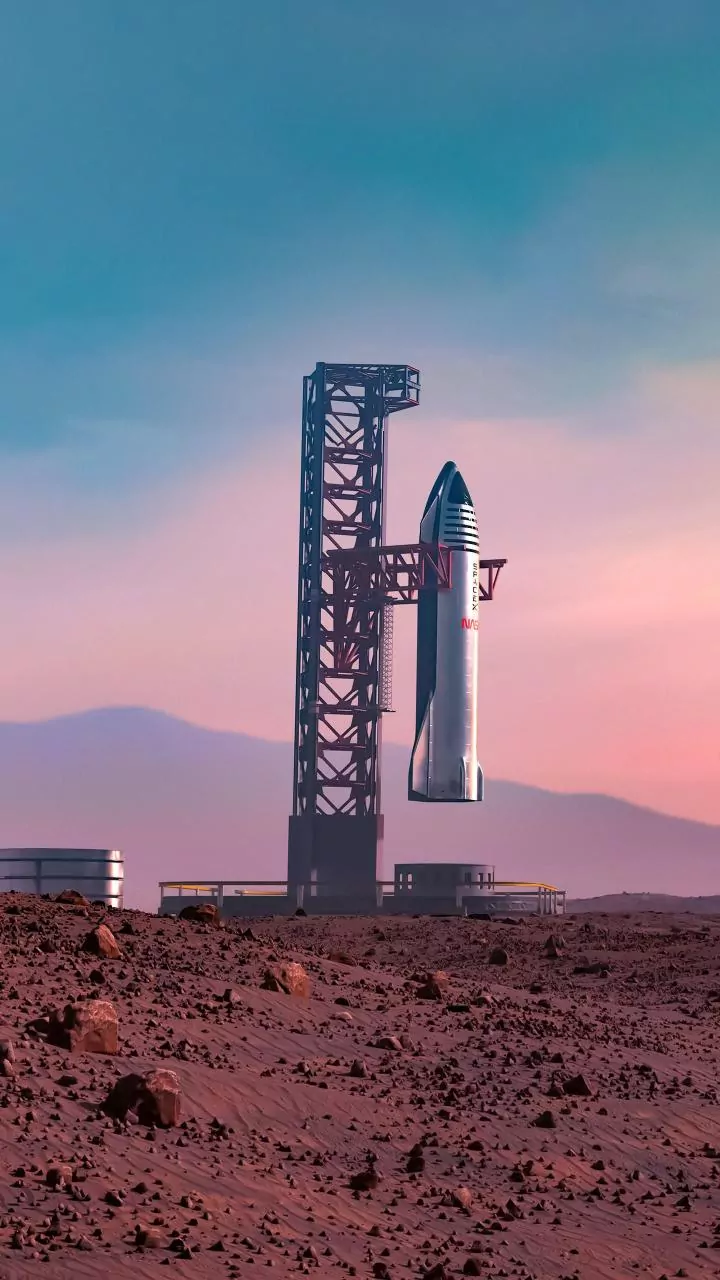
The climax of the mission will occur in 2030, when the main MMX spacecraft performs a landing on Phobos. Using a pneumatic sampling system, it will gather rocks and dust from the surface. After collecting its sample, the spacecraft will launch from Phobos, leave the Martian system, and begin its journey home. A special return capsule containing the sample is scheduled to land in the Woomera Prohibited Area in Australia in 2031. Scientists back on Earth will then have the chance to analyze pristine material that could tell us not just about the moons, but about Mars itself. Because Phobos is so close to Mars, its surface is likely covered in dust and rock ejected from the Red Planet over billions of years, offering a secondary window into Martian geology.