







In a world of extreme fitness challenges, the real path to strength is often more subtle. It's about mastering foundational principles, like core engagement, and using powerful, multi-functional movements like the dolphin push-up.
The Foundation: True Core Engagement
Before attempting any
advanced movement, understanding core engagement is crucial. It’s a concept that goes far beyond simply flexing your abs or holding a plank for as long as possible. True core engagement involves activating the deep, stabilising muscles of your torso, including the transverse abdominis, which acts like a natural corset around your midsection. To feel it, lie on your back with your knees bent. Exhale fully and gently draw your belly button in towards your spine without flexing your upper abs or tilting your pelvis. You should feel a subtle tightening deep in your abdomen. This is the sensation you want to maintain not just during exercise, but also for better posture throughout the day. This foundational stability protects your spine, improves your balance, and allows you to transfer power more efficiently and safely in every other movement you do.
Meet the Dolphin Push-Up
The dolphin push-up, sometimes called a dolphin press, is a dynamic and challenging bodyweight exercise that blends elements of a plank, a push-up, and the dolphin pose from yoga. It's a fantastic movement for building upper body and core strength simultaneously, while also improving flexibility in the shoulders and hamstrings. Unlike a traditional push-up that primarily targets the chest and triceps, the dolphin push-up places a significant emphasis on the shoulders, upper back, and the entire core musculature. It is a 'push' movement that requires control and stability, making it an excellent progression for anyone looking to advance beyond static holds like the forearm plank.
How to Perform It Correctly
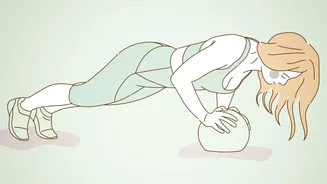
Proper form is essential to get the full benefit and avoid injury. Start in a forearm plank position, with your elbows directly beneath your shoulders, palms flat on the floor or hands clasped. Your body should form a straight line from your head to your heels. This is your starting point. From here, engage your core and begin to press your hips up and back, moving into a position that resembles the yoga pose 'downward-facing dog', but on your forearms. Your head should move towards your feet and you should feel a stretch in your shoulders and hamstrings. Pause at the top, then slowly lower your hips back to the starting forearm plank position, keeping your core tight and preventing your back from sagging. That completes one repetition. The movement should be slow and controlled, not rushed.
Common Mistakes to Avoid
The most common error is letting the hips sag on the return to the plank position. This disengages the core and puts stress on the lower back. Always focus on maintaining that straight line from head to heels. Another mistake is moving too quickly, using momentum rather than muscular control. This reduces the effectiveness of the exercise and increases the risk of shoulder strain. Ensure your elbows stay shoulder-width apart; allowing them to flare out to the sides can compromise shoulder stability. If you're a beginner, start with a smaller range of motion, only lifting your hips slightly, and gradually increase the height as you build strength and confidence.
A Measured Approach to Fitness
The dolphin pushup is more than just an exercise; it represents a 'measured fitness approach'. This philosophy prioritises consistency, quality of movement, and listening to your body over pushing to exhaustion every session. Instead of chasing fleeting, highndensity fads that often lead to burnout or injury, a measured approach focuses on building a strong foundation. It’s about integrating versatile, compound movements like the dolphin pushup that deliver multiple benefits at once — strength, flexibility, and stability. This creates a sustainable practice that builds resilient, functional strength over the long term. Fitness becomes less about punishment and more about a consistent, mindful practice of building a capable and healthy body.