




Meet Ragi: The Humble Super Grain
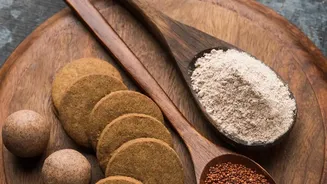
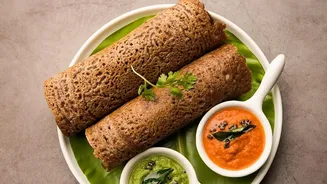
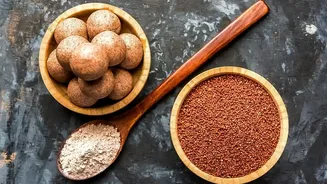
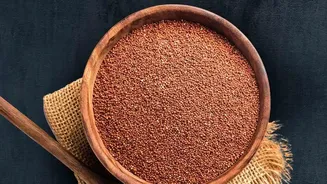
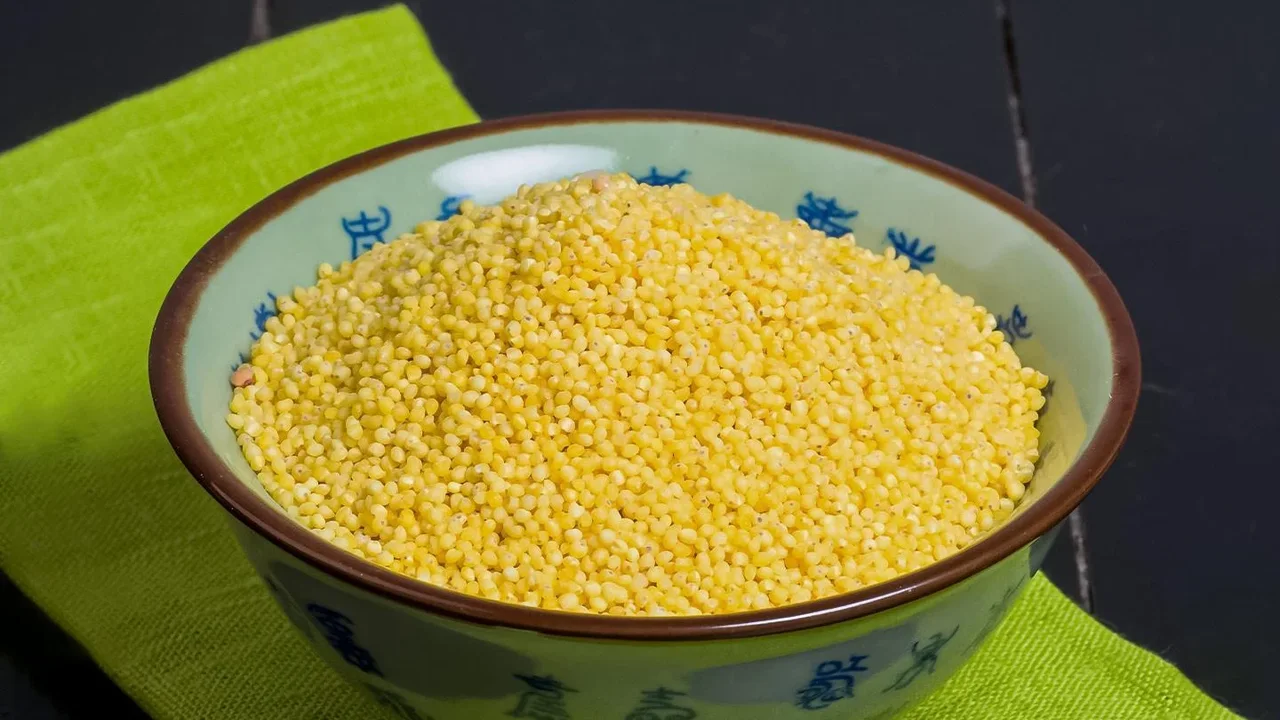
Ragi, also known as finger millet, is a nutrient-dense grain that has been a staple in Indian households for centuries. Often hailed as a superfood, this humble millet is making a comeback in modern kitchens for its impressive health benefits. Unlike
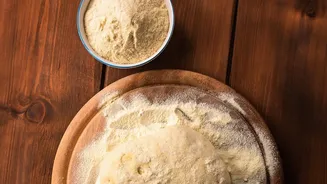
refined flours that are stripped of their nutrients, ragi flour is made from the whole grain, preserving its natural goodness. It has a unique, slightly nutty and earthy flavour that can add a wonderful depth to baked goods. Beyond its taste, ragi is naturally gluten-free, making it an excellent option for those with gluten sensitivities.
The Fiber Factor and Nutritional Perks
The headline feature of ragi is its high dietary fiber content. This is crucial for maintaining good digestive health, preventing constipation, and promoting a feeling of fullness, which can help with weight management. The fiber in ragi also helps in the slow release of sugar into the bloodstream, making it a favourable choice for managing blood sugar levels. But the benefits don't stop there. Ragi is a nutritional powerhouse, boasting one of the highest non-dairy sources of calcium, which is vital for strong bones and teeth. It's also a great plant-based source of iron, protein, and essential amino acids.
Getting Started: Baking with Ragi Flour
Swapping ragi for all-purpose or wheat flour isn't always a one-to-one exchange, but it's simple once you know the basics. Since ragi is gluten-free, it doesn't have the protein that provides structure and elasticity in traditional baking. For this reason, it's often best to start by substituting just a portion of your regular flour with ragi flour. A good starting point is to replace 25% to 50% of the wheat or all-purpose flour in a recipe with ragi flour. This approach allows you to introduce its nutritional benefits while maintaining a familiar texture. For gluten-free baking, ragi needs a binder like psyllium husk, eggs, or even mashed banana to hold everything together.
Tips for Delicious Ragi Cookies
Ragi cookies are a fantastic way to start your millet baking journey. They often have a delightful, crumbly texture, similar to a shortbread biscuit. Because the flour can be dense, many recipes combine it with wheat flour or besan. To ensure your cookies aren't dry, you might need to add a little extra moisture or fat, such as ghee, butter, or even yogurt. Chilling the dough for at least 30 minutes before baking is a common tip to prevent the cookies from spreading too much and helps develop flavour. Ragi pairs beautifully with flavours like cardamom, cocoa, and nuts, so feel free to experiment with your favourite additions.
Mastering Hearty Ragi Breads
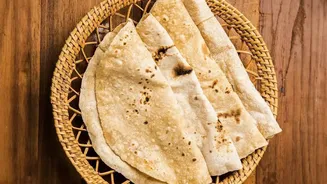
Making bread with ragi flour results in a hearty, dense, and deeply flavourful loaf. Due to the lack of gluten, a 100% ragi bread can be challenging and may not rise as much as a wheat-based loaf. For a softer, lighter texture, most recipes recommend blending ragi with whole wheat flour. Ragi dough tends to be stickier and requires more hydration, so don't be alarmed if you need to add more water or milk than usual. Using binders like psyllium husk is especially important in gluten-free ragi bread recipes to achieve a good crumb structure. Be patient during the proofing process, as it may behave differently from what you're used to, but the nutritious and satisfying result is well worth the effort.