
The Story of the Monsoon So Far
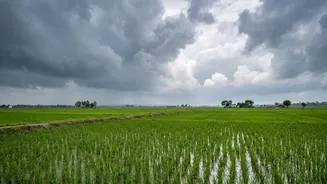
The 2026 southwest monsoon has been a story of contrasts. After a weak start in June, July brought a strong recovery, but the gains were partly erased by a drier August. As of late August, cumulative rainfall for the season was tracking below the long-period
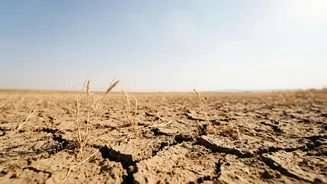
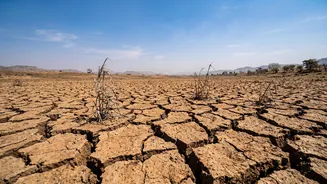
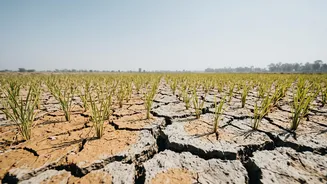
average. This national average, however, masks significant regional disparities. While some areas have received surplus rain, key agricultural states like Bihar, Punjab, and Andhra Pradesh have faced significant deficits. The erratic performance is largely attributed to the development of El Niño conditions in the Pacific Ocean, which tend to suppress monsoon rainfall over India. With sowing for the summer (Kharif) season mostly complete, the focus has now shifted from the area planted to the final output, which depends heavily on September's rains.
Kharif Crops at a Critical Juncture
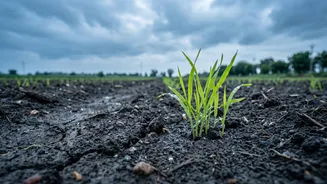
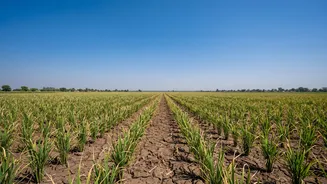
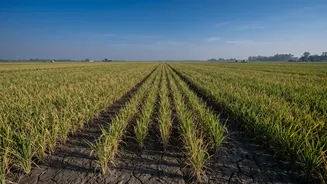
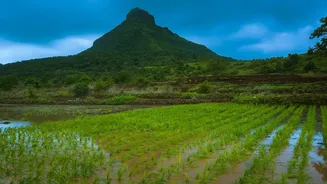
A significant portion of India’s agriculture is rain-fed, and the Kharif season is its backbone. Major crops like rice (paddy), pulses, oilseeds (like soybean), and coarse cereals are now in their crucial grain-filling or maturation stages. Adequate rainfall in September is vital to ensure healthy development and a good harvest. As of late August, the total sown area for Kharif crops was only slightly behind last year's figures, showing farmers' resilience. However, sown area does not guarantee yield. A lack of rain now could lead to moisture stress, stunt crop growth, and ultimately reduce the final output, particularly for rice, which has seen a drop in acreage this year. This could have a direct impact on the availability of essential food items in the coming months.
The Ripple Effect on Food Prices
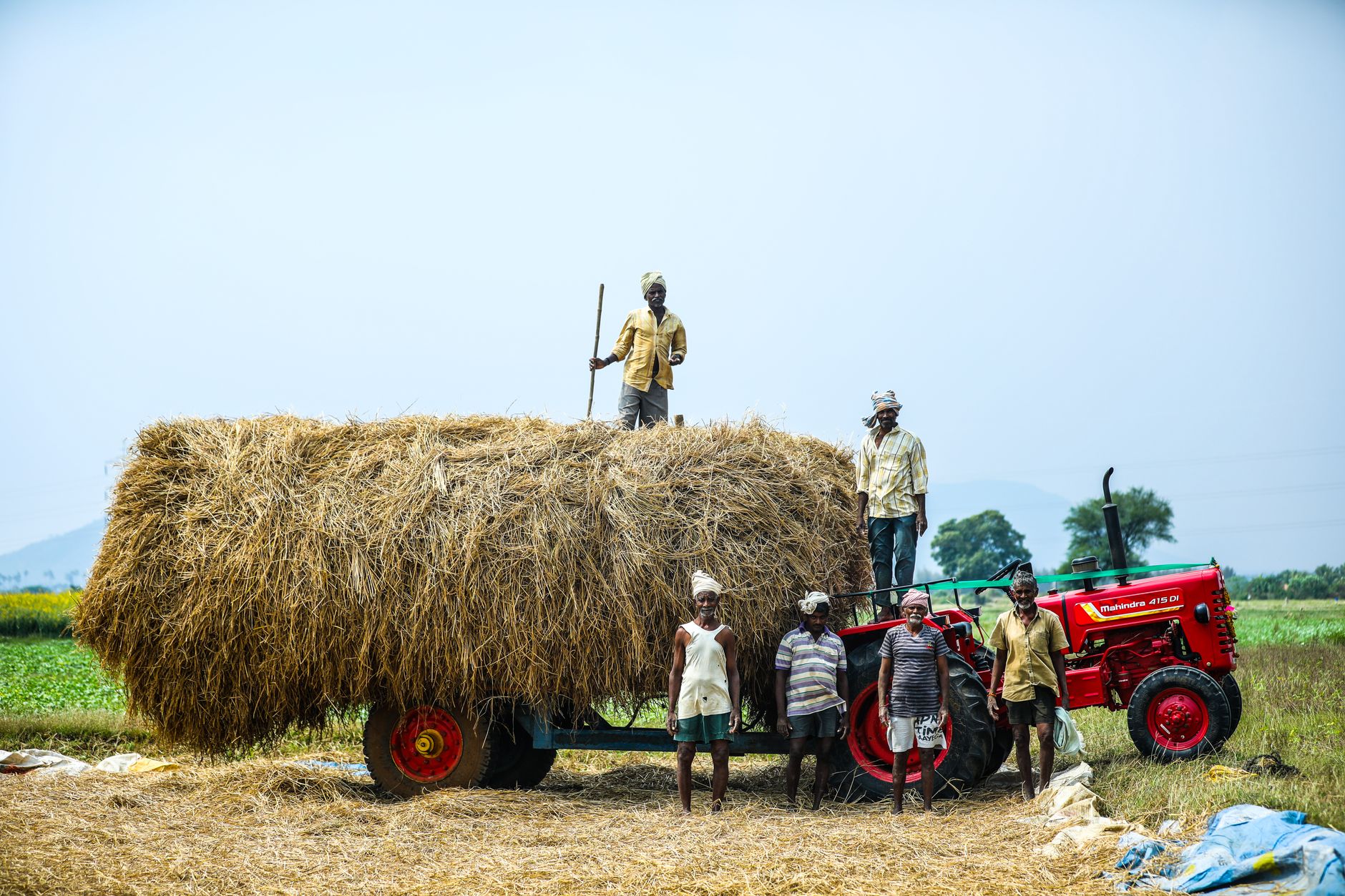
What happens in the fields rarely stays in the fields; it quickly travels to urban kitchens and household budgets. Agricultural output is a primary driver of food inflation. Economists are warning that a poor end to the monsoon could disrupt the supply of key vegetables, pulses, and cereals, putting upward pressure on prices. The Reserve Bank of India is watching these developments closely, as a spike in food inflation could complicate its efforts to manage the economy. Some analysts suggest that if a strong El Niño confirms a weak monsoon, overall consumer price inflation for the financial year could rise. The consequences of rainfall deficits on food prices often appear with a time lag, meaning any impact from a dry September might be felt most acutely during the post-harvest festival season and beyond.
More Than Just This Harvest: Reservoir Worries
September's rain is not just about saving the current Kharif crop; it's also a crucial deposit into the country's water savings accounts—its reservoirs. These reservoirs are vital for irrigation for the upcoming winter (Rabi) crop season, which includes staples like wheat and mustard. As of late August, water storage in India's major reservoirs was significantly below the levels recorded at the same time last year and was also below the ten-year average in many regions, especially in the North and South. A bountiful September is needed to replenish these reserves. Without it, states could face tough choices regarding water allocation for irrigation, drinking water, and industrial use, potentially jeopardising the Rabi sowing campaign even before it begins.
What the Forecasts Suggest
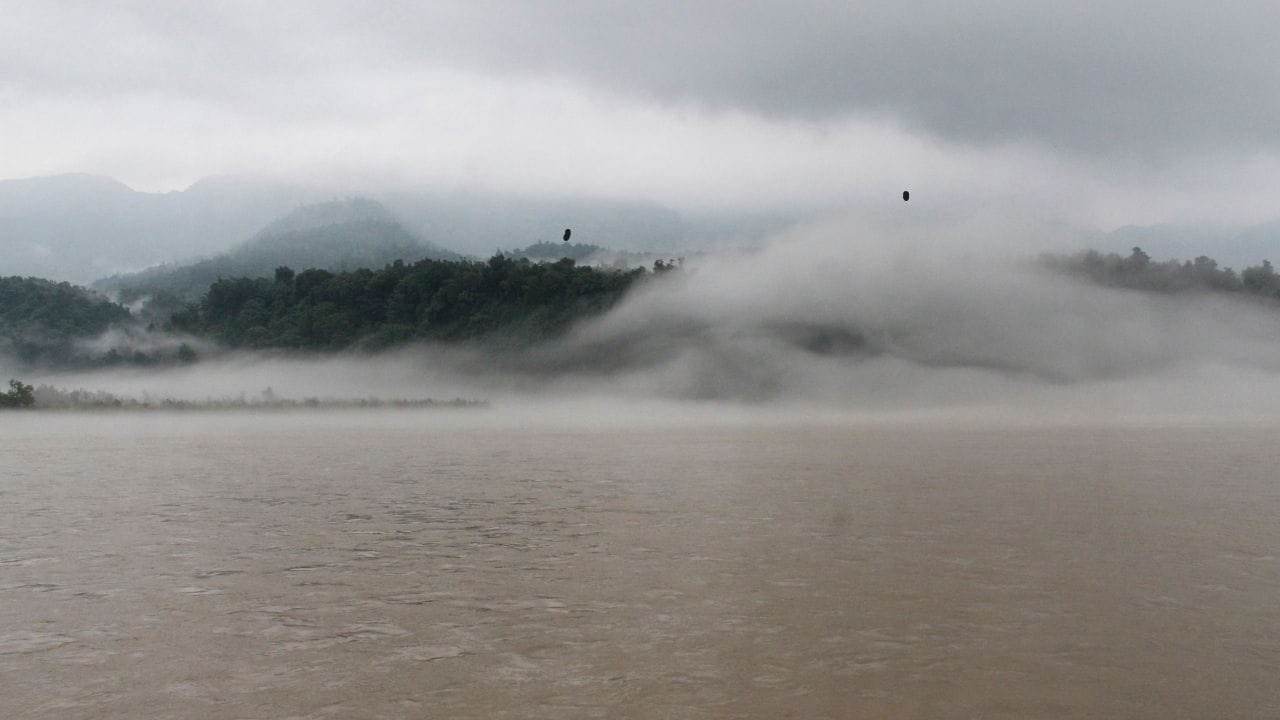
Meteorological agencies are providing a mixed but cautious outlook. The India Meteorological Department (IMD) has indicated that a low-pressure area over the Bay of Bengal is expected to bring heavy rainfall to eastern and central India in the first week of September. However, the same forecast also suggests that rainfall activity is likely to remain subdued over Peninsular India for the next week. Private forecasters have expressed concerns that the strengthening El Niño could lead to a significant rainfall deficit in September. Ultimately, it's not just the total amount of rain that matters, but its distribution. The right amount of rain in the right places at the right time is what will make the difference between a resilient harvest and a season of distress.