


Understanding the Monsoon Challenge
The primary challenge during the monsoon is not just the rain, but the persistent high humidity. This moisture in the air settles on everything, including your produce, creating an ideal environment for fungal and bacterial growth. Fresh vegetables are
living tissues that continue to 'breathe' after being harvested, releasing moisture. When trapped in a humid kitchen or a sealed plastic bag, this process accelerates, leading to slimy textures, mould, and rapid decay. That's why vegetables that seem fine one day can turn into a soggy mess the next.
Choose These Hardy Champions
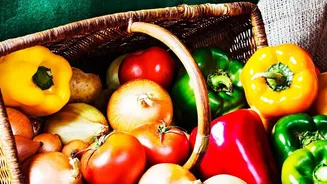
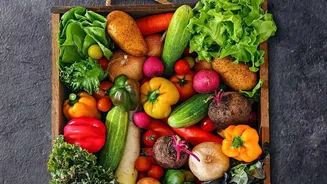
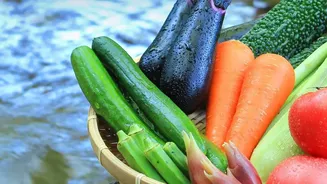
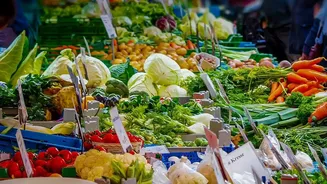
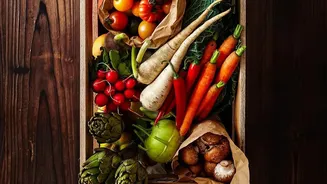
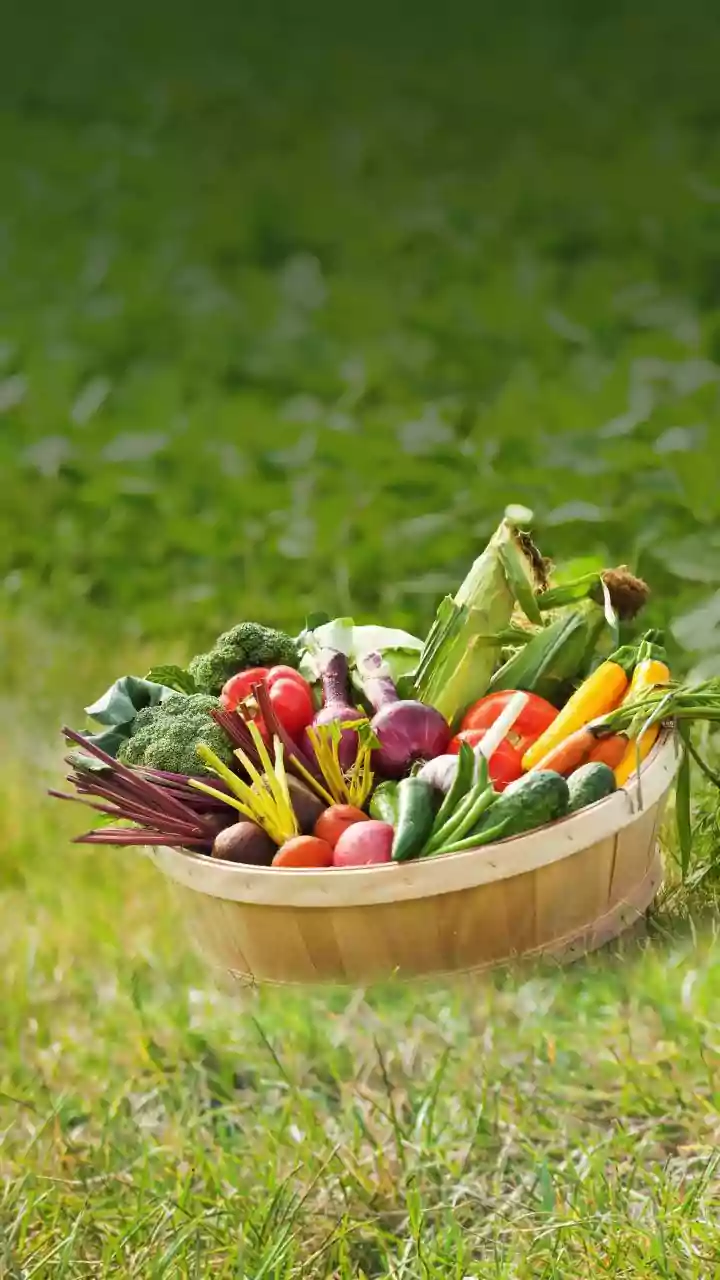
Your first line of defence is choosing vegetables that are naturally built to last. Focus on produce with thicker skins and lower water content. Gourds like bottle gourd (lauki), ridge gourd (tori), pumpkin (kaddu), and bitter gourd (karela) are excellent monsoon choices. They are harvested during this season and their robust nature helps them withstand the damp conditions better than delicate greens. Root vegetables are also fantastic options. Potatoes, onions, garlic, ginger, carrots, and beetroot are dense and less susceptible to immediate spoilage. When buying, always inspect for smooth, unbroken skin without any soft spots, cracks, or mould.
Mastering Root Vegetable Storage
Root vegetables are your best friends for long-term storage, but they need specific care. The golden rule is to keep them in a cool, dark, and dry place with good air circulation. Never store potatoes and onions together; onions release ethylene gas that can cause potatoes to sprout prematurely. Keep both in a basket or a jute bag, not in the refrigerator, as the cold can negatively affect their texture and flavour. Garlic and ginger also thrive in a dry, ventilated space. Proper storage can make these staples last for weeks, even in the most humid weather.
The Delicate Case of Leafy Greens
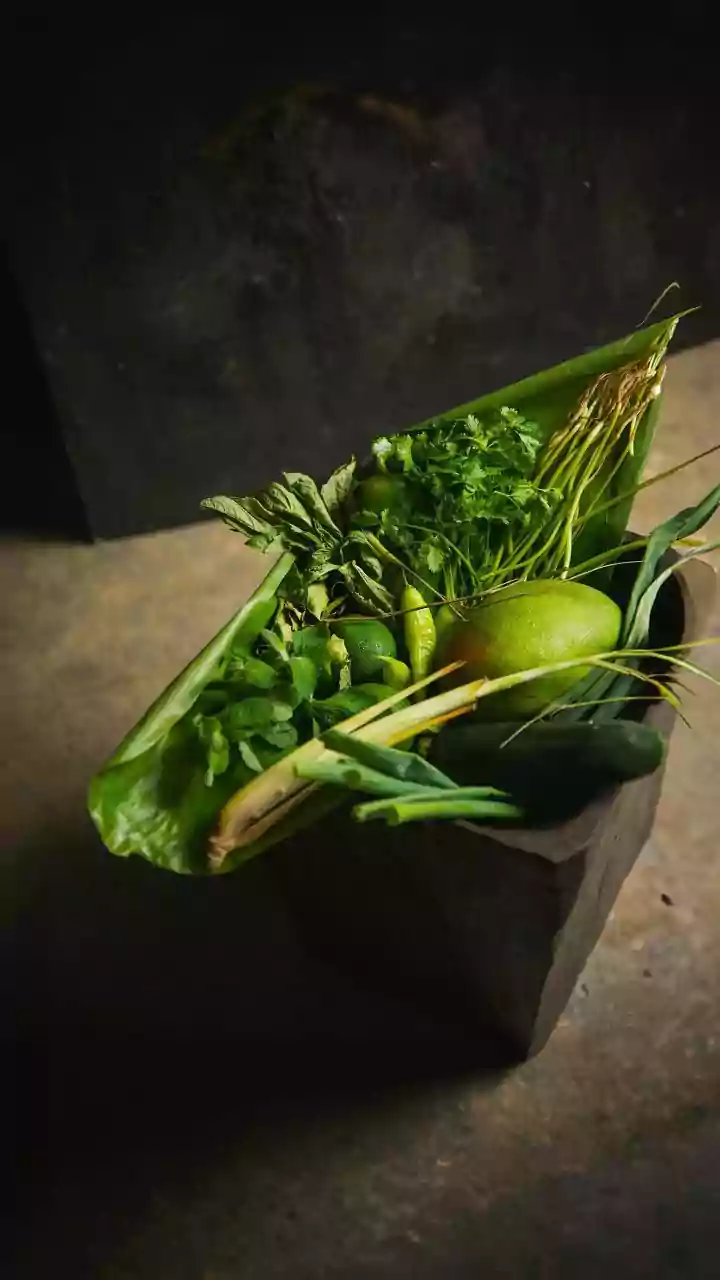
Leafy greens like spinach, coriander, and fenugreek are the most vulnerable to monsoon moisture. They wilt and rot quickly. If you buy them, plan to use them within a day or two. To extend their life slightly, avoid washing them until just before use. If they are damp from the market, gently pat them dry. A proven method is to wrap the unwashed greens in a paper towel to absorb excess moisture and then place them in a perforated or cloth bag in the refrigerator's vegetable drawer. This helps manage humidity and keeps them crisp for a little longer.
Essential Monsoon Storage Hacks
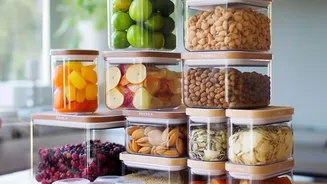
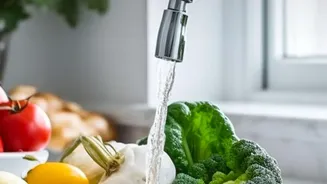
A few universal rules can make a massive difference. First, remove vegetables from the plastic bags they are often sold in as soon as you get home. These bags trap moisture and accelerate spoilage. Unless a vegetable is visibly dirty, resist the urge to wash it before storing. Water introduces moisture, which is the enemy. When you do store vegetables in the fridge, lining the crisper drawer with paper towels can help absorb condensation. For items like bell peppers or cucumbers, storing them in perforated bags or containers lined with paper towels can also help maintain the right moisture balance. Using airtight containers for cut vegetables is a good practice to prevent contamination and odour spread in the fridge.