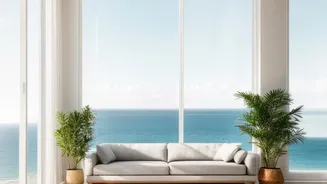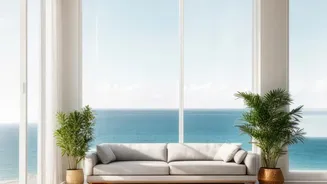




The allure of coastal design lies in its calm, airy feel. This guide shows how natural wooden accents are key to achieving a sophisticated, cohesive look, moving beyond clichés to create a truly tranquil and stylish seaside escape right at home.
Start with a Coastal Colour Palette
Before
you even consider wood, establish your foundational colours. Coastal design thrives on a palette inspired by the seaside. Think of crisp whites, sandy beiges, and soft greys as your base. These neutral tones create a serene backdrop that mimics the light, airy feeling of a beach house. For accents, draw from the water itself with shades of sea glass green, muted teal, or dusty blue. A successful coastal look often keeps vibrant colours to about ten percent of the room, introduced through art or cushions, allowing the natural textures to take centre stage. This minimalist approach to colour prevents the space from feeling cluttered and ensures your wooden pieces will stand out beautifully.
Choose the Right Types of Wood
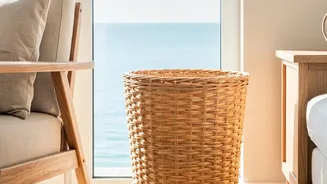
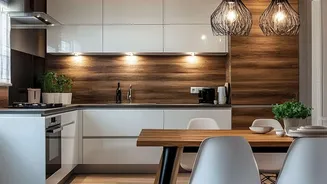
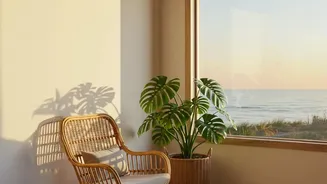
Not all woods are created equal when it comes to coastal style. The goal is to select woods that feel organic and connected to the outdoors. Light-toned timbers like oak, ash, maple, and birch are excellent choices for creating a bright, washed-out look. Weathered and reclaimed woods, especially driftwood, are quintessential to this aesthetic, bringing a sun-bleached, saltwater-aged character indoors. For a touch of casual elegance, incorporate rattan and wicker through furniture or accessories like pendant lights and baskets. While lighter woods are common, don't be afraid to use richer tones like walnut for a touch of sophistication, especially as a statement dining table or bed frame to contrast with pale walls.
Mastering Wooden Finishes
The finish of your wooden accents is just as important as the type of wood. For an authentic coastal vibe, lean into finishes that appear aged by the elements. Whitewashed and sun-faded finishes enhance the breezy, relaxed feel, making furniture look like it has a story to tell. A weathered grey tone, often found on driftwood, is perfect for tying together warm whites and soft greys with a matte surface that doesn't compete with a neutral palette. If you prefer a more polished look, a clear, sealed finish on a light wood like oak can add warmth while still feeling modern and clean. The key is to avoid overly glossy or dark-stained finishes that can feel heavy and formal, detracting from the casual elegance you want to achieve.
Incorporate Foundational Wooden Pieces
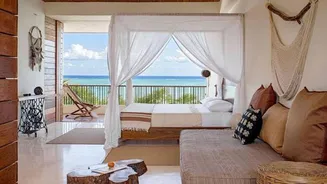
Integrate wood into the very structure of your room for a grounded, cohesive feel. Engineered hardwood floors in a light oak or maple are a fantastic choice for beach houses due to their resistance to humidity. On a larger scale, exposed wooden ceiling beams can add architectural interest and rustic charm without overwhelming the space. When it comes to furniture, a natural wood dining table, a reclaimed wood coffee table, or a simple wooden bed frame can serve as the anchor for the room. These larger pieces establish the natural theme, allowing you to layer smaller accents on top.
Layer with Wooden Decor and Accents
Once your foundational pieces are in place, the real fun begins with layering. Cohesion is built through the thoughtful repetition of materials. Add small, tasteful wooden accents throughout the space. This can include picture frames made from reclaimed wood, a large driftwood branch arranged as wall art, or a collection of wooden candle holders. Even functional items like serving bowls, trays, and lamp bases can contribute to the theme. However, restraint is crucial. One or two significant driftwood pieces per room is often enough; overcrowding a space can make it feel like a souvenir shop rather than a chic coastal retreat.
Balance Wood with Other Natural Textures
Wood is a star player in coastal decor, but it shouldn't perform alone. Creating a truly cohesive look is about balancing wood with a variety of other natural textures. Pair wooden furniture with soft, comfortable materials like linen or cotton slipcovered sofas. Layer in textures with jute or sisal rugs, which add a rough, earthy feel underfoot and help define the space. Woven baskets are perfect for both storage and adding another layer of natural texture. Finally, use glass elements in vases or mirrors to reflect light and mimic the clarity of water, creating a beautiful contrast against the warmth and solidity of the wood.