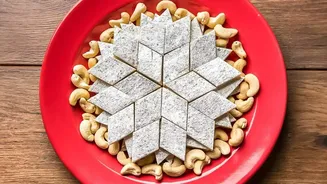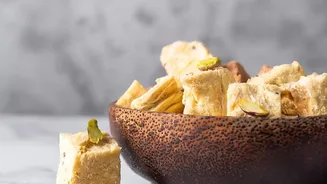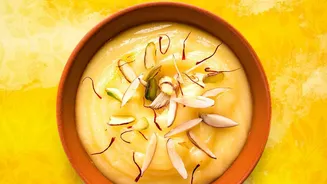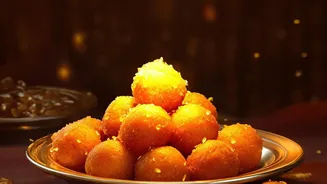



Understanding the Janmashtami Vrat and Feast
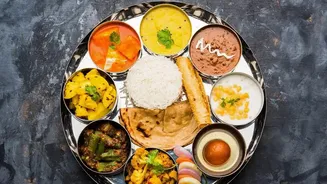
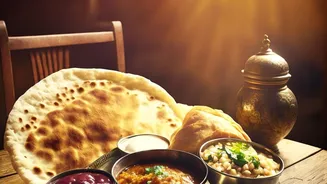
Before you shop, it's helpful to know that many devotees observe a fast (vrat) on Janmashtami. This fast typically excludes all grains, lentils, onions, garlic, and common table salt. The feasting, therefore, revolves around 'phalahar' or a fruit-based
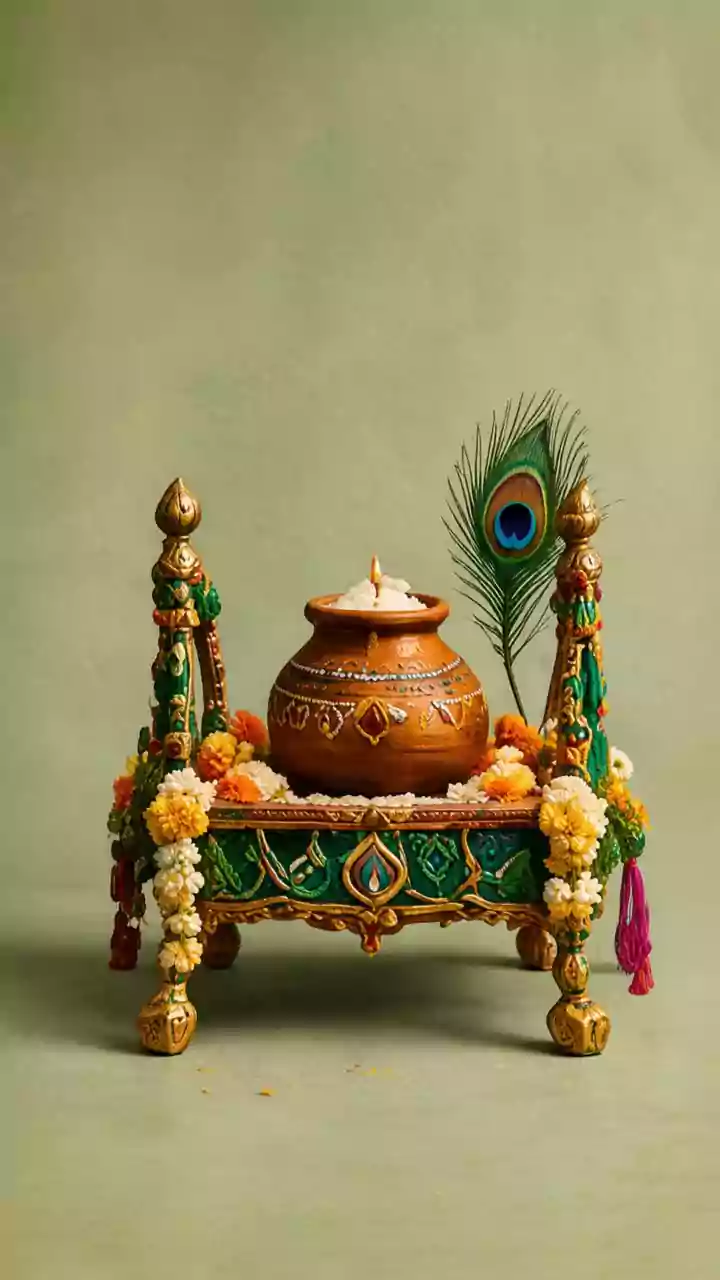
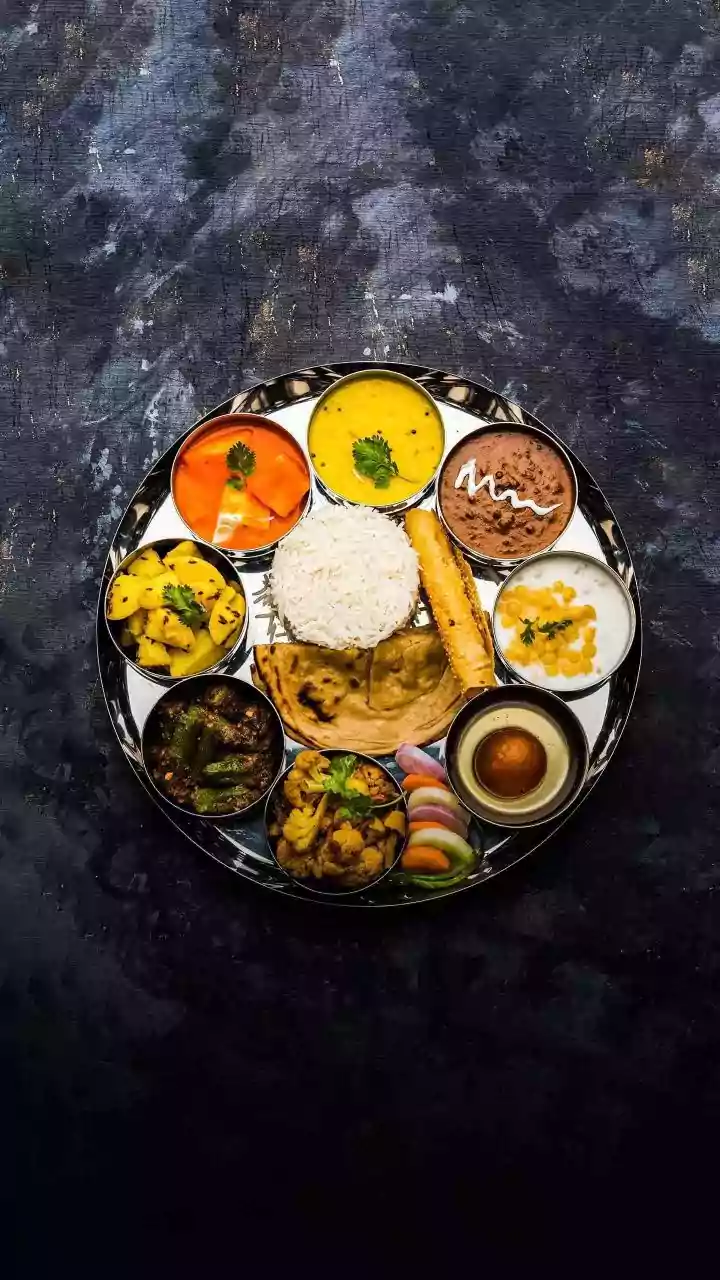
diet, which also includes specific flours, vegetables, and dairy products. The grandest offering is the 'Chappan Bhog', a spread of 56 dishes prepared out of gratitude. While preparing all 56 items might be ambitious for a home celebration, your pantry can be stocked to create a delicious and authentic spread that honours the spirit of the festival.
Vrat-Friendly Flours and Grains
Since regular grains like wheat and rice are avoided during the fast, specific alternatives are used to make everything from puris to desserts. These are essential for preparing a fulfilling meal. Stock up on: Singhare ka Atta (Water Chestnut Flour) for puris and pakoras; Kuttu ka Atta (Buckwheat Flour), perfect for rotis, puris, and cheelas; Rajgira ka Atta (Amaranth Flour) and its seeds, which can be used for laddoos and parathas; and Samak ke Chawal (Barnyard Millet), a wonderful rice substitute used for making khichdi, pulao, and kheer.
The Heart of the Feast: Dairy Essentials
Lord Krishna's childhood stories are filled with his love for milk and butter (makhan), making dairy a cornerstone of the Janmashtami feast. Ensure you have plenty of: Milk for making kheer, rabri, and the sacred Panchamrit; Dahi (Curd/Yogurt) for lassi, raita, and Gopalkala; Ghee (Clarified Butter) for frying, cooking, and flavouring almost every dish; and of course, White Butter (Makhan) to be mixed with rock sugar for the classic Makhan Mishri offering. Paneer and khoya are also used in many sweet and savoury preparations.
Spices, Seasonings, and Sweeteners
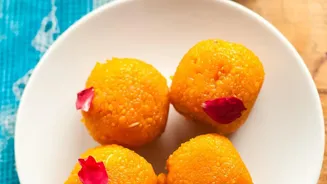
During Janmashtami fasting, specific spices and seasonings are permitted to add flavour to the dishes. The most crucial is Sendha Namak (Rock Salt), as common table salt is avoided. Also stock up on Jeera (Cumin Seeds), Kali Mirch (Black Peppercorns), Hari Mirch (Green Chillies), and Adrak (Ginger). For sweets, which are a huge part of the celebration, you'll need Sugar, Mishri (Rock Sugar), and Jaggery. Cardamom and saffron are key for adding aroma to desserts like kheer and peda.
Fresh Fruits and Vegetables
Fruits are an integral part of the 'phalahar' diet. Bananas, apples, guavas, and pomegranates are excellent choices to offer and eat. For cooked dishes, certain vegetables are favoured. Potatoes are incredibly versatile and used in sabzis, tikkis, and stuffings for puris. Other vrat-friendly vegetables include Lauki (Bottle Gourd), Kaddu (Pumpkin), Arbi (Colocasia), and raw bananas. Fresh coconut, both grated and sliced, is used in sweets and savoury dishes alike.
Nuts, Dry Fruits, and Key Offerings
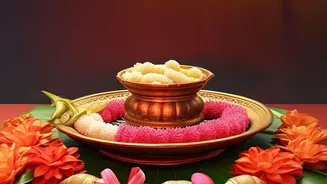
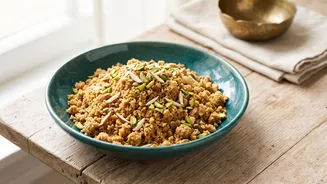
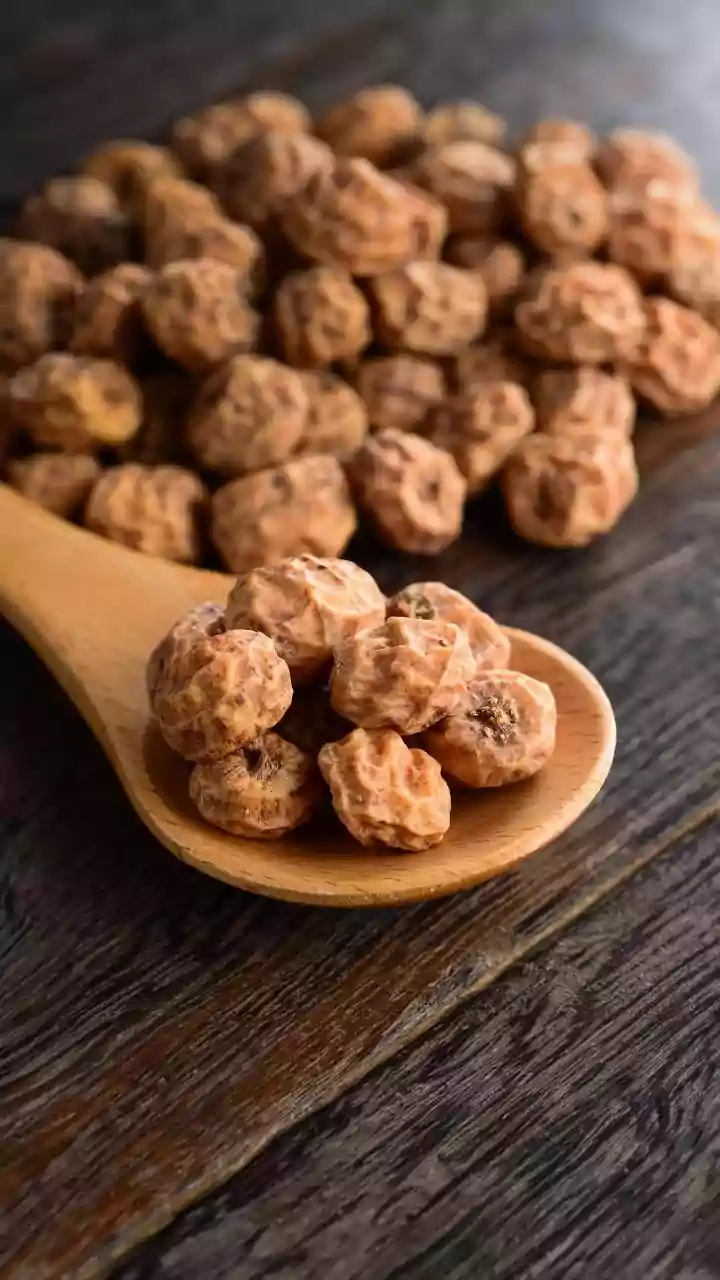
Nuts and dry fruits are used extensively for garnish, in sweets, and as energy-boosting snacks. Stock up on almonds, cashews, pistachios, raisins, and Makhana (Fox Nuts). Two special prasad items require specific ingredients. The first is Panchamrit, a sacred mixture combining milk, curd, honey, ghee, and sugar. The second is Dhaniya Panjiri, a unique sweet made from roasted coriander powder, ghee, powdered sugar, and chopped nuts. And don't forget Tulsi leaves, as no offering to Lord Krishna is considered complete without them.