







From Sightseeing to 'Being There'
For decades, a trip to Asia for many Indian travellers meant a well-worn path: a package tour with a fixed itinerary, pre-booked entry to major attractions, and a race against time to cover as many cities as possible. This model thrived on predictability
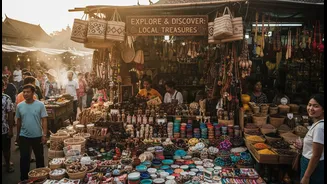
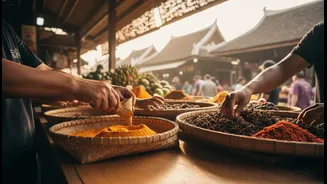
and volume. But a fundamental change is underway. Today's travellers, particularly younger demographics, are prioritising 'experience-first' holidays. Instead of just taking a photo at a landmark, they want to participate in a cooking class, learn a craft from a local artisan, or stay in a village homestay. This trend is about moving from passive observation to active, meaningful immersion in a destination’s culture.
What's Driving the Demand for Authenticity?
Several factors are fuelling this change. Social media has played a significant role, creating a desire for unique, story-driven moments that stand out from generic tourist photos. Furthermore, there is a growing 'desire for authenticity' among modern travellers who want to connect with the real essence of a place. The post-pandemic world has also amplified a craving for genuine human connection and mental well-being, with wellness retreats and slower-paced journeys gaining popularity. For many Indian travellers, this translates to swapping a rushed, multi-city tour for a more relaxed, in-depth exploration of one or two places. Industry data reflects this, with a significant percentage of travellers now planning trips around cultural festivals and unique activities rather than just destinations.
The Challenge to Pre-Booked Attractions
This shift directly challenges the business model built on pre-booked, high-volume day experiences and attractions. As travellers seek out more personalised and spontaneous activities, the appeal of a rigid, pre-paid schedule diminishes. A recent Klook study found that nearly a quarter of travellers now choose an activity before even selecting their destination, indicating experiences are leading travel decisions. The very nature of 'experience-first' travel is that it is often arranged with smaller, local providers or discovered on the ground, bypassing the traditional channels of large online travel agencies (OTAs) for this segment of the trip. While travellers still use OTAs for flights and hotels, they are increasingly unbundling their itineraries to leave room for these more authentic encounters.
An Opportunity for Adaptation and Growth
This trend isn't a death knell for organised travel, but a call for evolution. The travel experiences sector is the industry's fastest-growing segment, projected to reach US$342 billion by 2029. The opportunity lies in catering to this new demand. Travel companies and OTAs are now under pressure to adapt, moving from being providers of standard packages to curators of bespoke experiences. This involves collaborating with smaller, local partners and leveraging technology like AI to offer personalised recommendations that feel authentic. Some large platforms are already integrating thousands of unique activities, from food tours to adventure sports, recognising that future growth depends on offering more than just a ticket to a monument. For travel advisors, deep expertise and the ability to craft these unique journeys are becoming key differentiators against mass-market online platforms.