







Understanding Mumbai's 'October Heat'
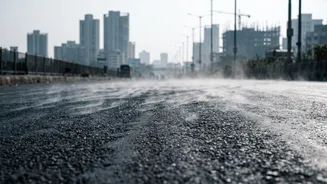
Just as the monsoon subsides, Mumbai often experiences a sharp, uncomfortable rise in temperatures, a phenomenon popularly known as 'October heat'. This year, the heat has been particularly oppressive, with temperatures soaring several degrees above normal.
This post-monsoon spike is caused by a combination of factors. As the monsoon clouds clear, the city receives more direct, intense sunlight. Simultaneously, changing wind patterns, often involving easterly winds and a weaker sea breeze, prevent the usual cooling effect from the Arabian Sea. This traps heat over the city, which is amplified by the 'urban heat island effect', where concrete and asphalt absorb and radiate warmth. The lingering high humidity from the monsoon season makes the heat feel even more severe, as sweat doesn't evaporate efficiently to cool the body down.
The Dangers of Daytime Exercise
Exercising outdoors during peak heat, especially between 10 a.m. and 5 p.m., poses significant health risks. When you work out in hot and humid conditions, your body works overtime to cool itself. Your heart pumps harder to send blood to the skin, putting extra strain on your cardiovascular system. This dual effort—powering your muscles and trying to cool down—can quickly lead to dangerous conditions like dehydration, heat cramps, heat exhaustion, and in severe cases, life-threatening heatstroke. Symptoms to watch for include excessive sweating, weakness, dizziness, nausea, headache, and a rapid heartbeat. Ignoring these warning signs can have serious consequences.
Why Evening is the New Morning
Traditionally, early morning has been the preferred time for outdoor exercise to avoid the day's heat. However, during the current spell of October heat, even mornings can be uncomfortably warm and humid. The ground, having retained some heat overnight, and the high moisture content in the air mean that conditions are far from ideal at sunrise. As a result, many fitness enthusiasts are now finding late evenings, after sunset, to be the more viable option. By then, the sun is no longer a factor, and both air and ground temperatures have had a few hours to cool down, offering a safer and more comfortable environment for physical activity.
Essential Tips for Safe Workouts
If you must exercise outdoors, adapting your routine is crucial for safety. First, hydrate relentlessly by drinking water before, during, and after your workout—don't wait until you feel thirsty. For longer sessions exceeding an hour, consider an electrolyte drink to replenish lost salts. Wear light-coloured, loose-fitting, and breathable clothing to help your body cool itself. Significantly reduce the intensity and duration of your workout; it can take 7 to 14 days for your body to acclimatize to the heat. Most importantly, listen to your body. If you feel dizzy, nauseous, or unusually fatigued, stop immediately, find a cool place, and rehydrate.
Consider Indoor Alternatives
On days when the heat index is particularly high, the safest choice is to move your workout indoors. This period of intense heat could be a good opportunity to explore different forms of fitness that don't require braving the outdoors. A gym session, a home yoga practice, or indoor classes like pilates and aerobics can help you maintain your fitness routine without risking heat-related illness. Water-based workouts such as swimming or water aerobics are also excellent options, as they provide a full-body workout while naturally keeping you cool. Prioritizing safety over a rigid outdoor schedule is key to long-term health and fitness.