




The Risks of Rainy Season Travel
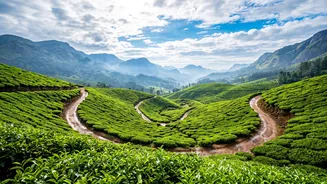
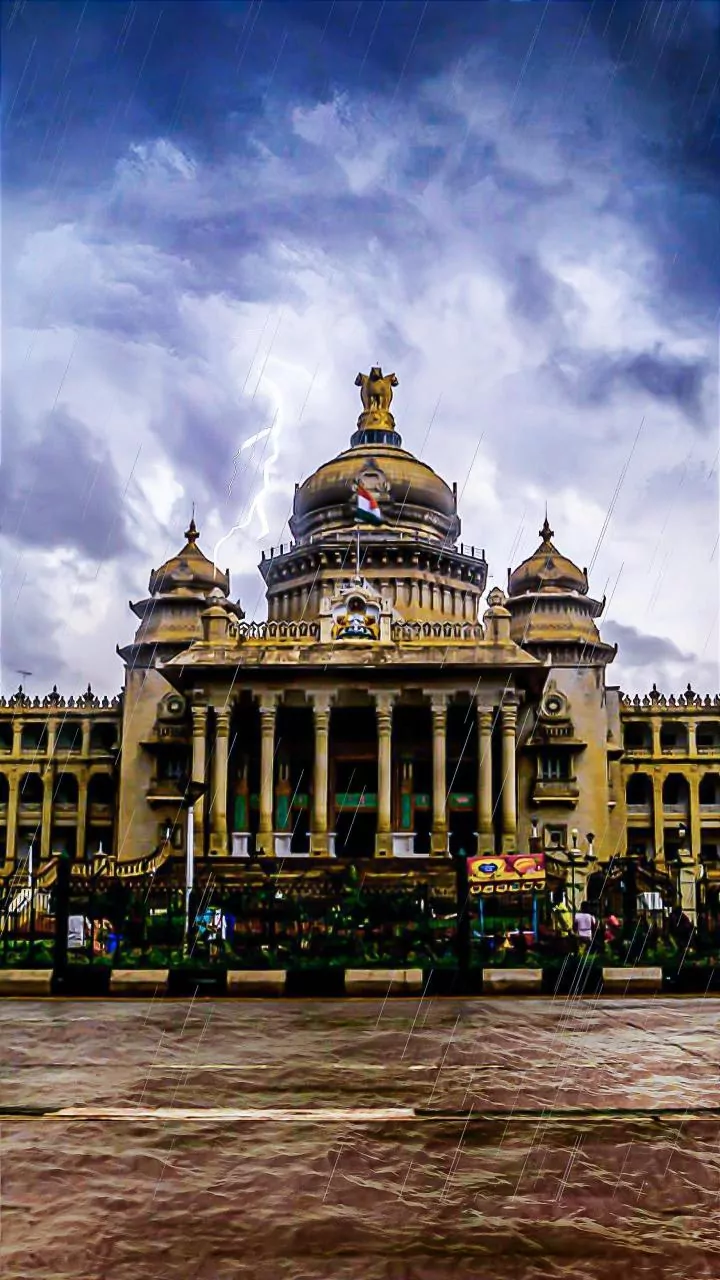
The Indian monsoon, typically lasting from June to September, can be a magical time to visit. However, the same rains that create stunning green vistas also bring practical challenges. Heavy downpours can lead to significant travel woes, including waterlogged
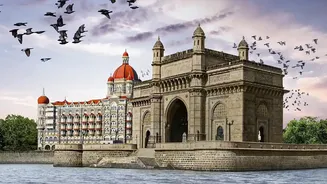
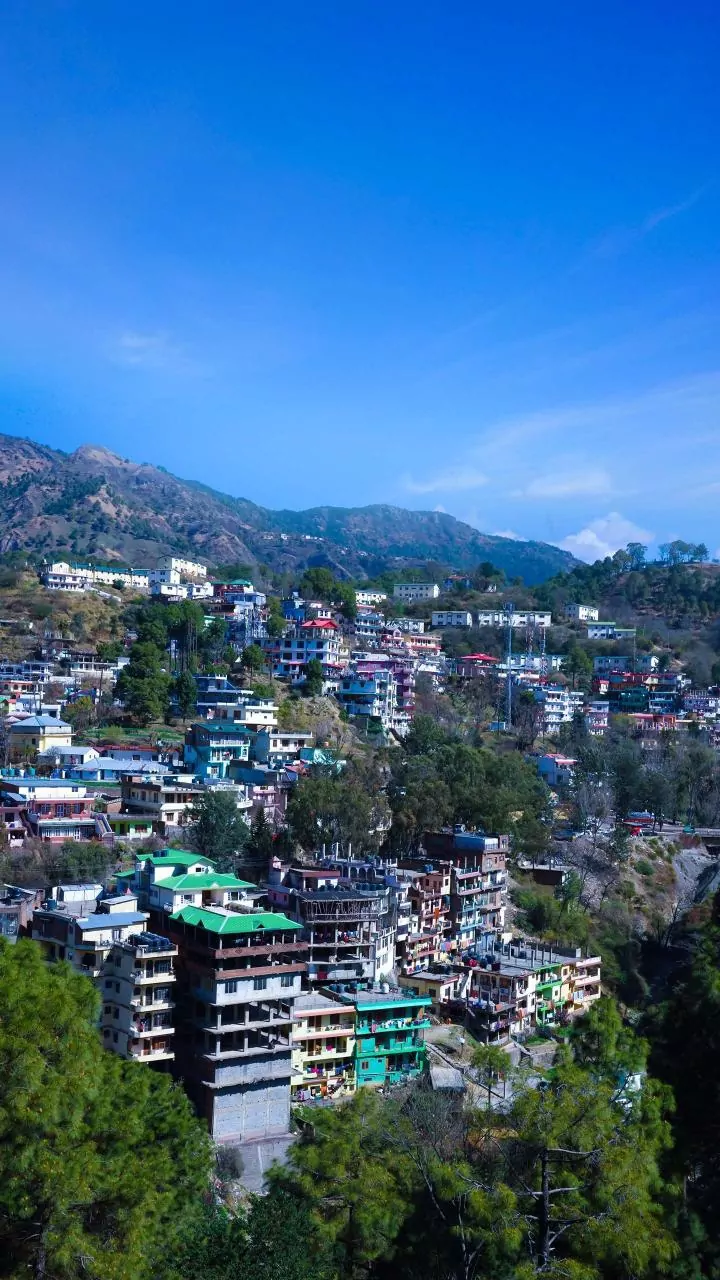
roads in cities like Mumbai, landslides in hilly regions like the Himalayas, and widespread flight and train delays. Airports, particularly in coastal cities, can face operational shutdowns due to poor visibility or flooded runways, potentially causing a domino effect of cancellations and missed connections. Beyond transit issues, the season also sees a spike in health concerns like mosquito-borne illnesses such as dengue and malaria.
What Does Travel Insurance Typically Cover?
A comprehensive travel insurance policy acts as a financial safety net against these very risks. Most standard plans offer coverage for several key areas. Trip cancellation or interruption benefits can reimburse you for non-refundable expenses like flights and hotel bookings if your trip is cancelled or cut short for a covered reason. Flight delay coverage can kick in after a specified number of hours, reimbursing you for essentials like meals or an overnight hotel stay. Crucially, most policies include emergency medical expenses, which is vital as your domestic health plan may not offer coverage in India. This can cover everything from a doctor's visit for a stomach bug to hospitalization costs. Coverage for lost or delayed baggage is also a common feature.
Monsoon Scenarios: Where Insurance Is a Lifesaver
Consider these plausible monsoon scenarios. Your much-awaited flight to Goa is cancelled due to a cyclone warning; trip cancellation coverage could refund your non-refundable bookings. You're trekking in Uttarakhand when a landslide blocks the road, forcing you to extend your stay; trip interruption or delay benefits might cover your extra accommodation costs. Or you fall ill with a high fever in a remote area and require urgent medical attention and possibly even evacuation to a better-equipped hospital in a major city. Medical evacuation coverage can be critical here, as these costs can be extremely high without insurance.
The Fine Print: What Might Be Excluded?
Insurance is not a magic wand, and it's essential to understand the exclusions. A major one is the 'foreseeable event' clause. If you buy a policy after a cyclone has already been named and is forecast to hit your destination, any claims related to that storm will likely be denied. This is why it's crucial to purchase insurance as soon as you book your trip. Furthermore, simply changing your mind because the weather forecast looks gloomy is not a covered reason for cancellation. Policies also won't cover losses due to negligence, like leaving your baggage unattended. High-risk adventure sports may also require a special add-on, so read your policy carefully if your itinerary includes activities like advanced trekking or mountaineering.
The Verdict: A Smart Bet for Peace of Mind
While not mandatory, travel insurance for a monsoon trip in India is a highly recommended investment. The premium, which can be a small fraction of your total trip cost, protects you from potentially significant financial losses. The heightened risk of weather-related disruptions—from flight cancellations to road closures and health issues—makes the safety net provided by insurance particularly valuable. It shifts the financial risk from you to the insurer, allowing you to handle unexpected events without derailing your budget or your peace of mind. The cost of a policy is a small price to pay compared to the potential expense of a cancelled flight, a medical emergency, or a trip cut short.