

Start with a Leak Audit
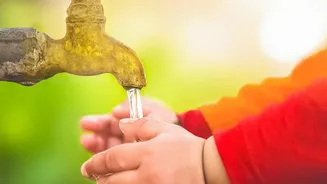
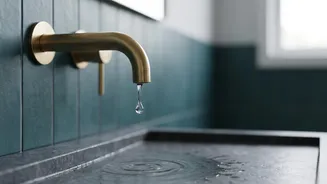
A slow drip from a faucet might seem harmless, but it represents a significant source of water wastage. A single tap dripping once per second can waste over 10,000 litres of water annually. Check all faucets, pipes, and toilet cisterns in your home. A simple
way to check for a toilet leak is to add a few drops of food colouring to the tank; if the colour appears in the bowl without flushing, you have a leak that needs immediate attention. Regularly replacing worn-out washers is a small, inexpensive fix with a big impact.
Upgrade Your Fixtures
Modern technology offers simple ways to drastically cut water consumption without sacrificing comfort. Installing faucet aerators is one of the most effective changes you can make. These small attachments mix air with water, reducing flow from a standard 10-15 litres per minute to as low as 4 litres per minute, saving up to 80% of water with no noticeable drop in pressure. Similarly, low-flow showerheads and dual-flush toilets, which use less water for liquid waste, are excellent investments for long-term water conservation.
Be Smarter in the Kitchen
The kitchen is a hub of water usage, offering many opportunities for conservation. Instead of washing vegetables under a running tap, use a basin of water. The leftover water can then be used for watering houseplants. When washing dishes by hand, avoid letting the faucet run continuously. Scrape pots and pans first, then soak them. Another simple but effective habit is to run your dishwasher only when it is completely full, maximizing the efficiency of each cycle.
Change Your Bathroom Habits
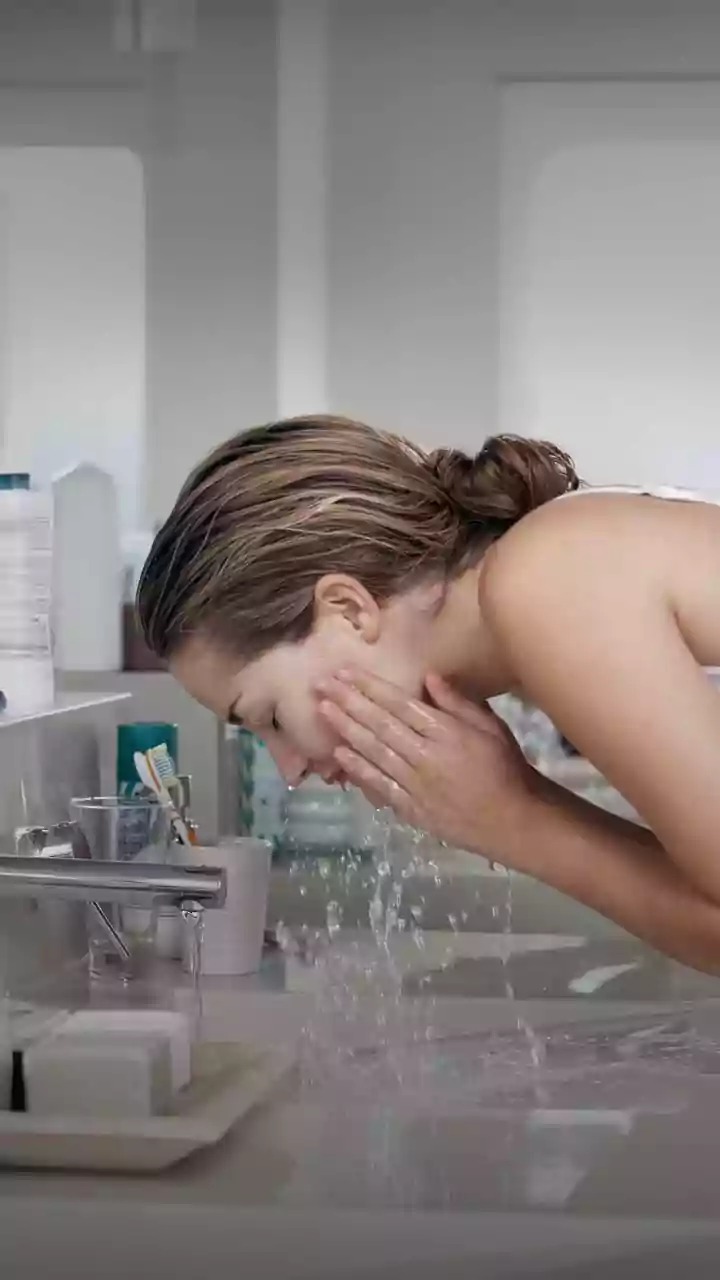
Simple behavioural changes in the bathroom can lead to substantial water savings. Turning off the tap while brushing your teeth or shaving can save more than 10 litres of water per minute. Opting for a bucket bath instead of a shower can also make a huge difference. If you prefer showers, aim to keep them short—under five minutes. Every minute you cut from your shower time saves a significant amount of water over the course of a year.
Reuse Every Drop You Can
Not all water that goes down the drain is unusable. 'Greywater'—the relatively clean wastewater from showers, baths, and washing machines—can be given a second life. It can be collected and used for tasks like flushing toilets, mopping floors, or watering ornamental plants and gardens. Furthermore, the reject water from RO purifiers, which can be two to three times the amount of purified water produced, is perfect for cleaning floors, washing balconies, or watering non-edible plants.
Rethink Your Cleaning and Outdoor Use
Outdoor and cleaning tasks often involve high water consumption. Instead of using a running hose to wash your car or driveway, use a bucket and sponge, which can save hundreds of litres of water each time. When watering your garden, do it during the early morning or late evening to minimize evaporation. Using a broom instead of a hose to clean sidewalks and balconies is another easy switch that prevents unnecessary water wastage.