

Why Visit Before Winter?
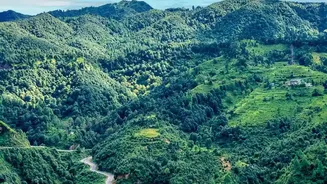
The period from October to November is a magical window for visiting Sohra, historically known as Cherrapunji. After months of heavy rain, the landscape is intensely lush, and the region's famous waterfalls are still at their most powerful. This post-monsoon
season offers a perfect balance: the dramatic spectacle of full-flowing cascades combined with clearer skies and more comfortable, pleasant weather for sightseeing and trekking. During the winter months from December to February, rainfall significantly decreases, which means many rain-fed falls shrink to a trickle or dry up completely. By visiting in autumn, you get to witness Sohra's natural beauty at its most vibrant, a perfect combination of monsoon's power and winter's clarity.
Chasing Sohra’s Magnificent Waterfalls
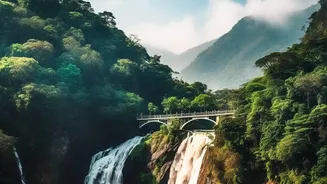
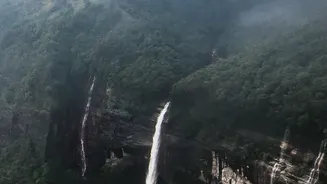
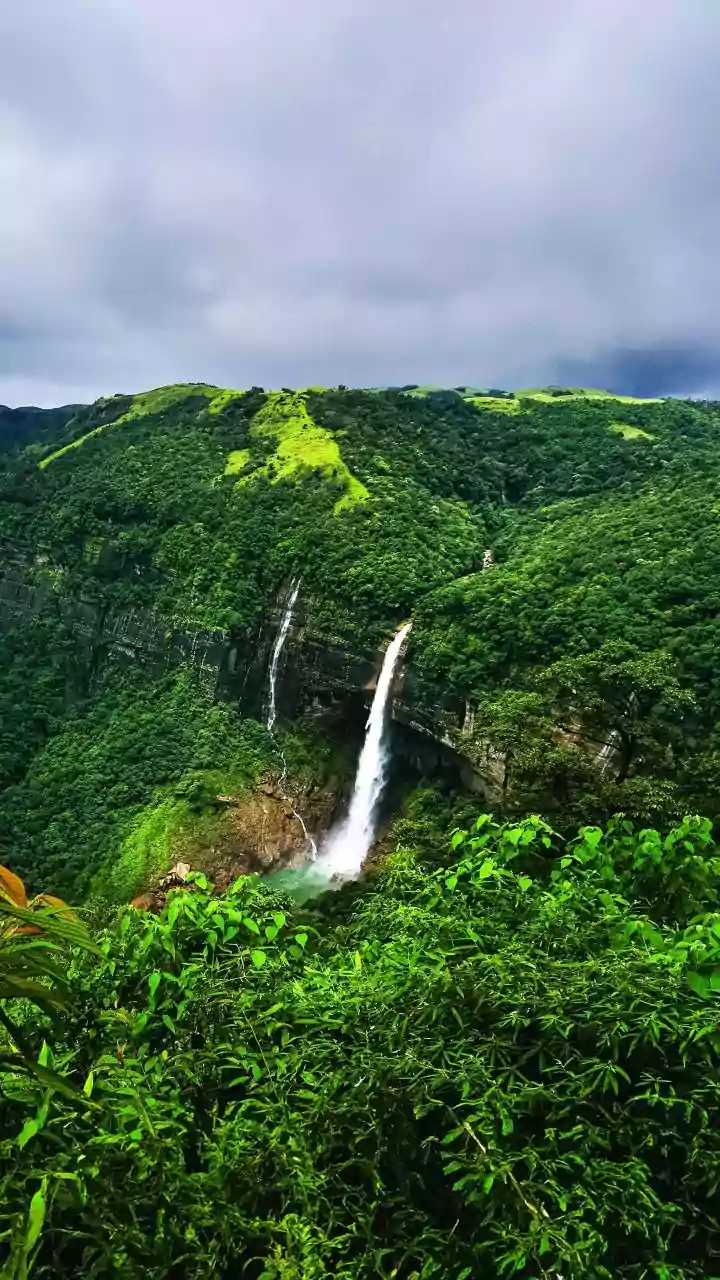
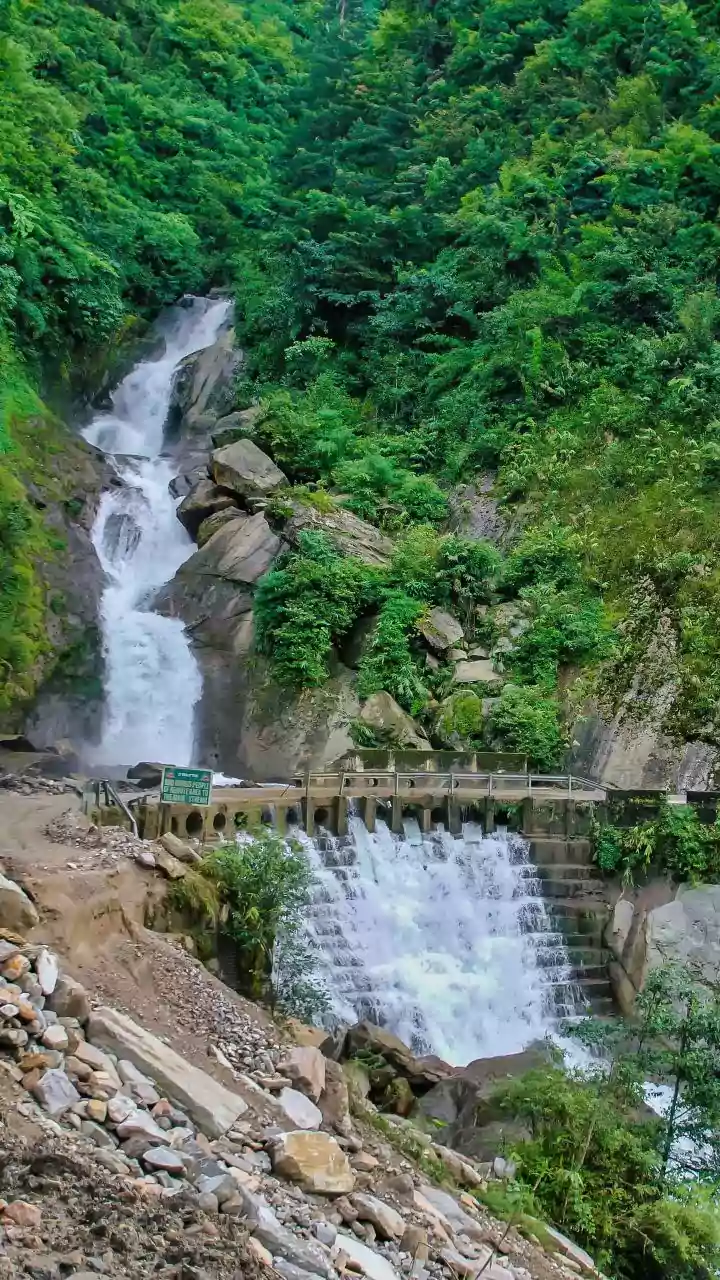
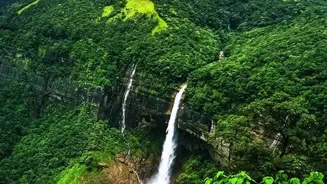
Sohra is famed as a land of waterfalls. At the top of any list is the majestic Nohkalikai Falls, India's tallest plunge waterfall. It cascades from a height of 340 metres (1,115 feet) into a stunning turquoise pool below. The view from the cliff-top is breathtaking, especially in the post-monsoon months when the flow is immense. Another must-see is the Nohsngithiang Falls, more famously known as the Seven Sisters Falls. This wider, segmented waterfall gets its name from the seven streams that flow side-by-side down limestone cliffs during the peak rainy season. While its flow diminishes after the monsoon, it remains a spectacular sight against the green hills. For a different experience, visit Dainthlen Falls. This waterfall is known as much for the legend of a giant serpent ('Thlen') that was defeated here as for its scenic beauty. Unlike the plunging Nohkalikai, Dainthlen flows over a wide, flat rocky bed before dropping into a gorge, allowing visitors to walk close to the edge.
The Astonishing Living Root Bridges
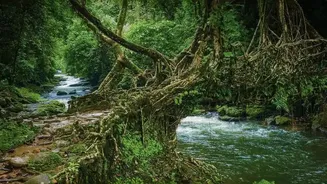
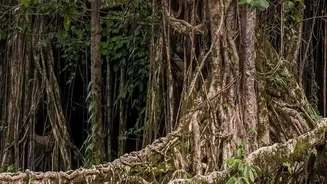
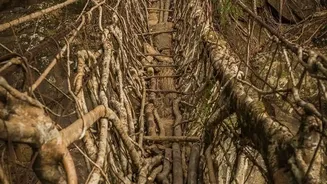
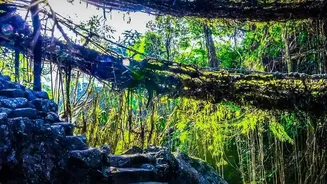
Beyond the waterfalls lies one of humanity's most incredible examples of bio-engineering: the living root bridges. For centuries, the indigenous Khasi people have guided the aerial roots of Ficus elastica (rubber fig) trees across rivers and streams, weaving them together to form sturdy, living structures that grow stronger over time. The most famous of these is the Umshiang Double-Decker Root Bridge in Nongriat village. Reaching this marvel requires a challenging but rewarding trek, descending approximately 3,500 steps into a lush valley. The journey itself is an adventure, crossing swaying suspension bridges and passing through dense forest. For those seeking a less strenuous experience, other single-level root bridges are more easily accessible and offer a fascinating glimpse into this unique local tradition.
Planning Your Sohra Adventure
Sohra is located about 54 kilometres from Shillong, the capital of Meghalaya, and the scenic drive takes approximately two hours. You can hire a private taxi from Shillong or opt for shared Sumos available from the Bara Bazar area. Once in Sohra, local taxis are the best way to get around to the various viewpoints and trek starting points. For accommodation, options range from resorts and guesthouses to local homestays that offer a more authentic Khasi experience. When packing, remember that Meghalaya's weather can be unpredictable. Even after the monsoon, it's wise to carry a raincoat or umbrella. Good walking shoes with a firm grip are essential, especially for the trek to the root bridges and for walking on slippery rocks near waterfalls. Since you'll be exploring natural landscapes, always carry water, some snacks, and be prepared for limited mobile connectivity in remote areas.