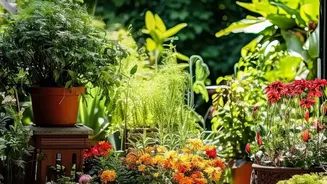







Monsoon Magic: A Double-Edged Sword
The rainy season can feel like nature’s growth spurt. The higher humidity, cooler temperatures, and nitrogen-rich rainwater create ideal conditions for many plants to flourish. For a balcony gardener, this means lusher leaves and faster growth for many herbs.
However, the monsoon isn't without its challenges. Constant dampness, reduced sunlight on cloudy days, and the risk of heavy downpours can lead to problems like waterlogged soil, root rot, and fungal infections. The key to a thriving monsoon herb garden lies in managing these conditions, ensuring your plants get the benefits of the season while being protected from its excesses.
Essential Monsoon Care for Balcony Herbs
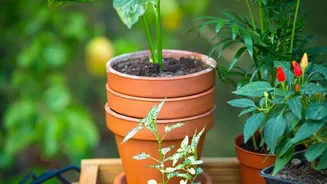
Success during the rainy season hinges on a few key adjustments. First, drainage is non-negotiable. Ensure every pot has clear drainage holes. It's a good practice to elevate your pots on stands or bricks to prevent them from sitting in water. Second, adjust your watering schedule. The soil will stay moist for longer, so always check if the top inch of soil is dry before watering again. Overwatering is a common mistake that leads to root rot. Third, be vigilant about pests. The damp, humid weather is a breeding ground for pests like aphids, mealybugs, slugs, and snails. Regularly inspect your plants, especially the undersides of leaves. A periodic spray of neem oil solution can act as a great organic preventative measure against both pests and fungal diseases like powdery mildew.
Mint (Pudina): The Prolific Favourite
Mint is one of the easiest and most rewarding herbs to grow during the monsoon. It loves moisture and propagates quickly, providing a near-endless supply for chutneys, teas, and garnishes. Plant mint in its own container, as its runners can be invasive and take over other plants. A well-draining pot is still important to prevent the roots from becoming waterlogged. While it tolerates the rain well, ensure good air circulation around the plant. Harvest the leaves regularly by snipping the tops; this encourages the plant to become bushier and more productive.
Curry Leaves (Kadi Patta): A Monsoon-Loving Staple
The curry leaf plant, a staple in Indian cooking, enters a period of significant growth during the monsoon. The combination of warmth and humidity helps it produce lush, aromatic leaves. Like other herbs, it requires well-draining soil, typically a mix of garden soil, sand, and compost. While established plants are robust, be careful not to overwater, especially during the winter resting period when the plant might shed some leaves. Regular pruning after it's established will help it grow into a bushier, healthier plant. The monsoon is an excellent time to see your Kadi Patta plant truly thrive.
Holy Basil (Tulsi): The Resilient Herb
Tulsi is a hardy plant that performs exceptionally well during the monsoon, loving the moisture. It's known for its medicinal properties, making it a valuable addition to any home garden, especially during a season known for colds and coughs. Plant Tulsi in a medium-sized pot with good drainage. It prefers indirect sunlight, so a spot on the balcony that doesn't get battered by direct, heavy rain is ideal. Water only when the topsoil feels dry, and pinch off the flowering heads (manjiri) to promote more leaf growth.
Coriander (Dhania) and Other Options
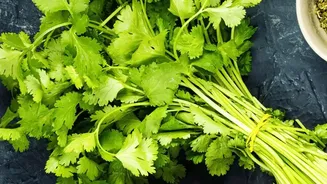
Coriander can be tricky, as it generally prefers cooler, drier weather and can be prone to rot in heavy rain. However, it can be successfully grown with care. Sow seeds in a wide, shallow pot with excellent drainage and place it in a spot that receives morning sun but is shielded from heavy downpours, perhaps under a covered part of the balcony. Other herbs that flourish in the Indian monsoon include lemongrass, which loves the water, along with ginger and turmeric, which begin their growing season now. These can add even more variety to your culinary exploits straight from your balcony.