




Redefining 'Luxe' for the Modern Metropolis
For generations, luxury in Indian homes was synonymous with scale—sprawling rooms, heavy furniture, and an air of opulence. But rapid urbanisation and evolving lifestyles have authored a new definition. Today, in the bustling hearts of Mumbai, Bengaluru,
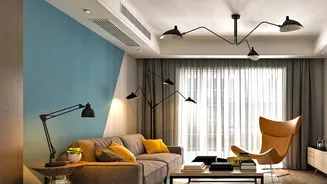
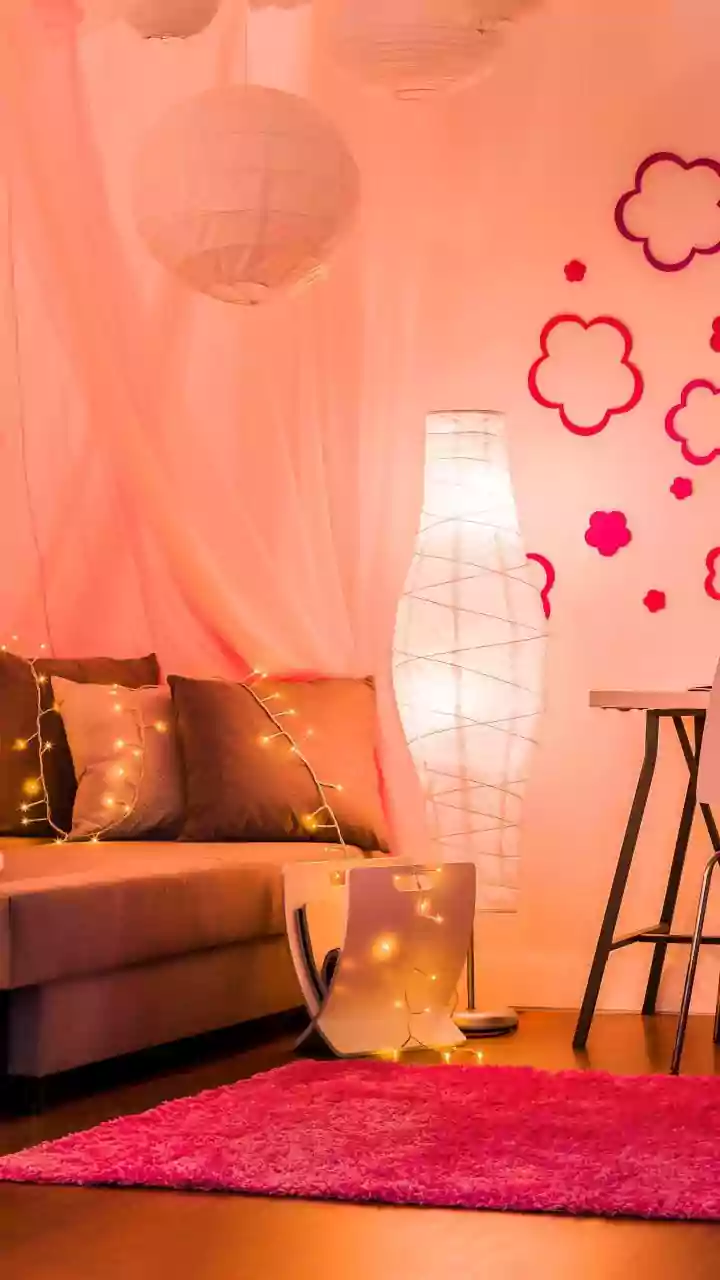
and Delhi, luxury is less about demonstrating wealth and more about enhancing well-being. This has given rise to "small-space luxury," a design philosophy where quality, craftsmanship, and experience trump sheer square footage. The focus is shifting from impressing guests to creating a personal sanctuary that is efficient, beautiful, and deeply comfortable. It's a move away from ornamentation towards intentionality, where every object and finish serves a purpose and brings a sense of quiet satisfaction.
The New Grammar of Compact Comfort
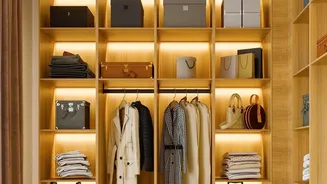
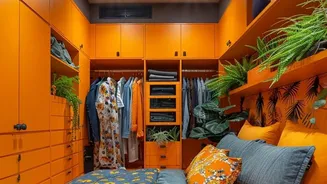
This redefinition of luxury comes with its own vocabulary, built on the pillars of functionality and clever design. Multifunctional furniture is a cornerstone of this new language. A sofa seamlessly transforms into a guest bed, a coffee table reveals hidden storage, and a wall-mounted desk folds away to reclaim floor space. This isn't about compromise; it's about intelligent adaptation. Another key element is the masterful use of vertical space. Floor-to-ceiling wardrobes with sliding doors, floating shelves, and tall, slender cabinets draw the eye upward, creating an illusion of height and openness while offering ample storage. The strategic placement of large mirrors further amplifies light and space, making rooms feel larger and more dynamic.
Smart Technology as a Seamless Butler
The new luxury is also a smart one. Home automation is no longer a futuristic concept reserved for sprawling villas; it's an essential component of high-end apartment living. Imagine controlling your lights, curtains, climate, and entertainment systems from a single touch panel or a simple voice command. These integrated systems reduce visual clutter by eliminating the need for multiple switches and remotes. More importantly, they add a layer of effortless convenience that defines modern comfort. Scene settings like "Good Morning" or "Movie Night" can adjust the entire ambience of a room in an instant, making technology a quiet, efficient butler that adapts the home to the resident's lifestyle.
Biophilia: Nature in the Concrete Jungle
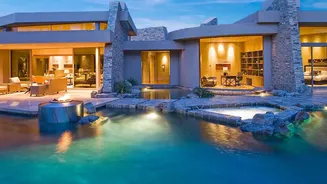
A powerful dialect in this new design language is biophilia—the integration of natural elements into our living spaces. Recognizing our innate need to connect with nature, designers are increasingly bringing the outdoors in. This goes beyond placing a few pots on a windowsill. It involves maximizing natural light, using earthy colour palettes, and incorporating materials like reclaimed wood, cane, rattan, and stone. Indoor gardens, green walls, and even small water features are becoming staples in urban homes, helping to purify the air, reduce stress, and create a sense of tranquility amidst the urban chaos. This trend reconnects modern living with traditional Indian architectural principles, where elements like courtyards and verandahs blurred the line between inside and out.
Curated, Not Collected
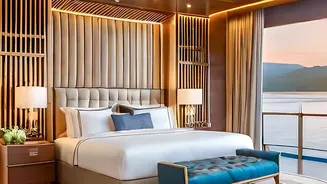
Ultimately, small-space luxury champions a minimalist ethos that prioritises personal expression over mass accumulation. The new vocabulary is about curating a home filled with meaningful items rather than collecting status symbols. It’s a shift towards fewer, better things—high-quality finishes, well-crafted furniture, and unique art that tell a personal story. Neutral palettes with rich textures, such as linen, wool, and matte-finished woods, create a backdrop of understated elegance. This approach creates spaces that feel both contemporary and timeless, reflecting a new generation's confidence in a luxury that is felt rather than shown.