



The Soul of 'God's Own Country'
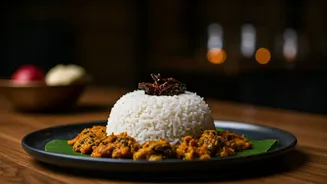
Keralan cuisine is a world away from the creamy, tomato-based curries many associate with India. Hailing from the lush, tropical state on India's southwestern coast—known as 'God's Own Country'—its culinary identity is shaped by its geography and history.
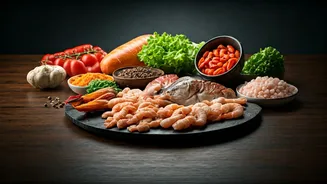
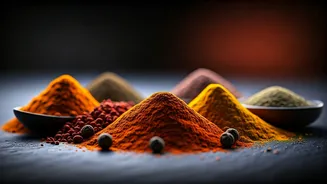
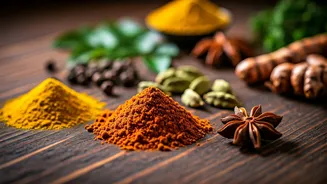
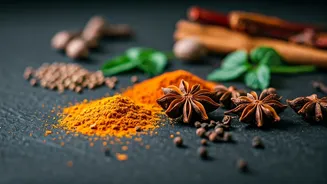
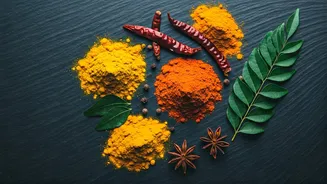
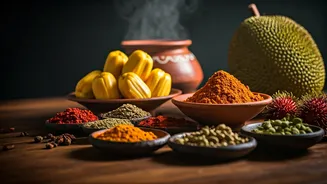
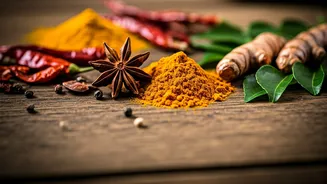
The extensive coastline provides abundant fresh seafood, while the fertile land yields rice and a universe of spices like black pepper, cardamom, and cloves. [4, 5] But the true star is the coconut, used in almost every form imaginable: as milk for creamy stews, oil for frying, and grated as a garnish, lending a subtle sweetness that balances the layered spices. [2, 11] The cuisine is incredibly diverse, varying from the spice-laden Mappila (or Malabar) cooking in the north, with its Arab and Portuguese influences, to the delicate vegetarian sadya feasts and coconut-infused stews of the south. [3, 5, 8]
Why the World Is Suddenly Paying Attention
So, why the sudden global buzz? A major factor is a worldwide shift towards authentic, regional culinary experiences. [2] Diners are no longer content with generic menus and are actively seeking food with a story. [2] Kerala's cuisine, with its deep historical roots and distinct local ingredients, fits this demand perfectly. [4] This trend has received a significant boost from major travel publications. In late 2025, Lonely Planet named digging into Kerala's culinary culture one of the world's top 25 travel experiences for 2026, making it the only Indian state featured on the list. [3, 6, 7] This recognition highlights a move beyond seeing Kerala as just a scenic destination to celebrating it as a gastronomic hub. [6] Furthermore, the health and wellness trend has played a part; the emphasis on fresh ingredients, gut-friendly fermented foods like appam (rice pancakes), and spices aligns with modern dietary interests. [2, 16]
Chefs and Restaurants on the World Stage
This rising interest is being championed by talented chefs and acclaimed restaurants. London's Quilon, which specialises in southwest coastal Indian food, has held a Michelin star for years, proving the fine-dining potential of these flavours. [21] In the US, F&B intelligence platform Datassential even named Keralan food its "Cuisine to Know for 2026," noting the increasing number of restaurants calling out Keralan-specific dishes on their menus. [12] Chefs like Suresh Pillai, who gained fame on BBC's 'MasterChef: The Professionals' and worked in several high-profile London restaurants, have become global ambassadors for Keralan cuisine. [10, 15, 18] He, along with others like Chef Regi Mathew of the award-winning Kappa Chakka Kandhari, are dedicated to showcasing traditional, home-style Keralan cooking and its hyperlocal specialities to an international audience. [17, 19]
A Taste of History and Diversity
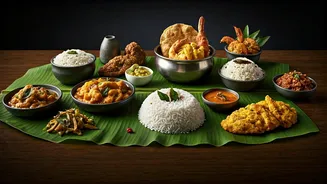
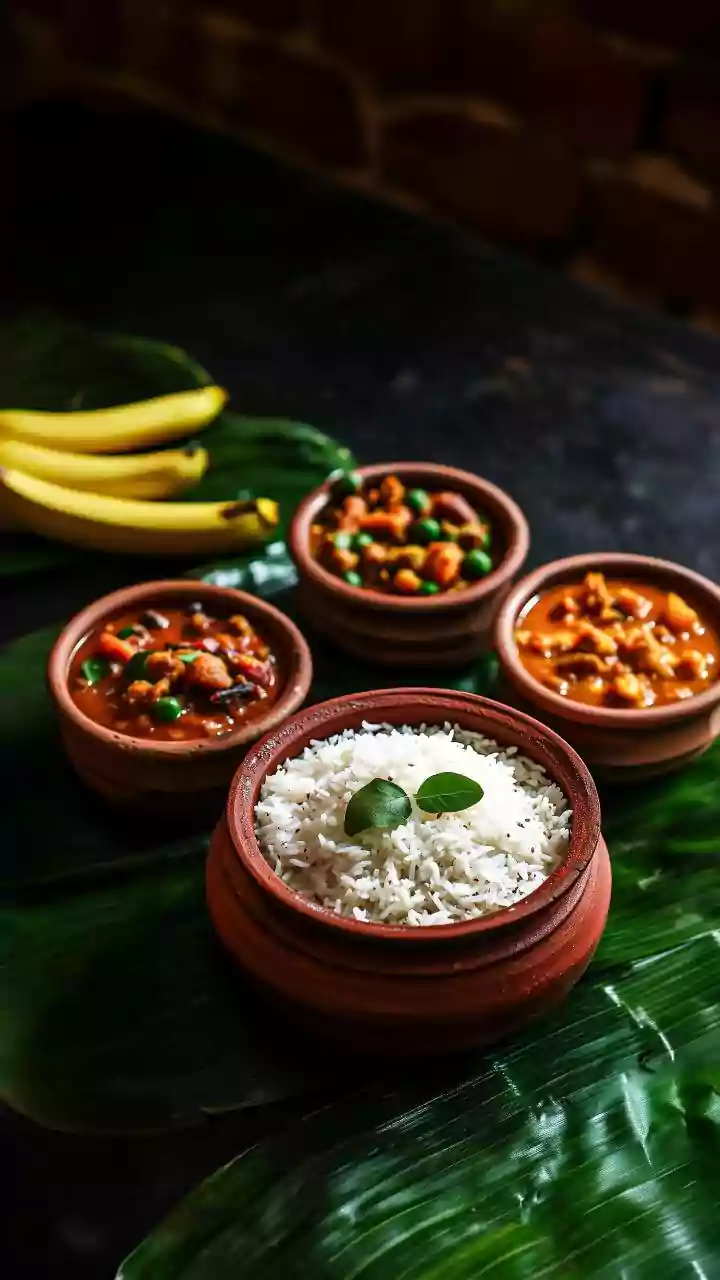
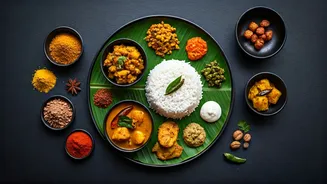
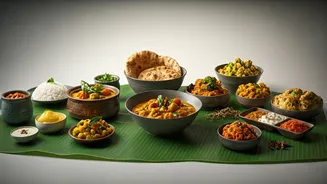
Eating Keralan food is like taking a journey through its history. For centuries, the region was the epicentre of the global spice trade, attracting Arab, Portuguese, Dutch, and British traders. [4, 5, 13] Each group left an indelible mark on the local food. The Mappila community's cuisine in Malabar, for instance, blends Arabic influences with local ingredients, resulting in rich biryanis and meat dishes. [3, 11] The Syrian Christian community is known for its iconic stew, often paired with fluffy appams, and distinctive fish curries. [11] The traditional Hindu sadya is a vegetarian banquet served on a banana leaf, featuring a stunning array of dishes like 'thoran' (vegetables with coconut) and 'avial' (vegetables in a coconut-yoghurt gravy), reflecting a deep connection to heritage and communal celebration. [5, 8] This diversity is a key part of its global appeal—it's not one single flavour, but a rich tapestry of tastes. [3]