






Embrace Warm, Cooked Meals
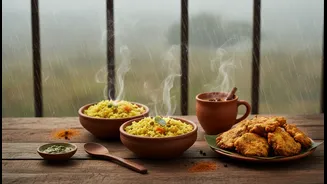
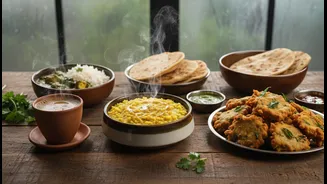
During the monsoon, our digestive system, or 'agni' as per Ayurveda, naturally becomes weaker. Heavy, cold, and raw foods are harder to break down and can lead to bloating and indigestion. This is the season to favour warm, freshly cooked meals. Think
steaming bowls of soup, light stews, and freshly prepared dishes. Cooking food also helps to kill bacteria and germs that thrive in the damp weather, reducing the risk of infections. Avoid raw salads and uncooked foods; instead, opt for steamed or boiled vegetables. Even your drinking water should be boiled and consumed warm or at room temperature to support digestion.
The Magic of Khichdi
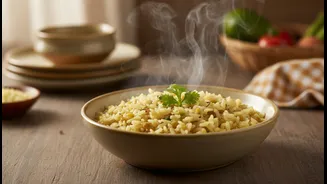
If one dish were to be crowned the king of monsoon foods, it would be khichdi. This simple, one-pot meal of rice and moong dal is a powerhouse of nutrition. It is considered a complete protein, easy to digest, and gentle on the stomach, making it an ideal dinner option. Adding spices like turmeric and ginger not only enhances the flavour but also adds anti-inflammatory and digestive benefits. A dollop of ghee on top provides healthy fats and helps in the absorption of nutrients. Having khichdi a few times a week can significantly improve gut health during this sensitive season.
Choose Your Vegetables Wisely
The monsoon market is full of fresh produce, but it's important to be selective. Leafy green vegetables, while nutritious, can be risky as their large surface area can harbour dirt and germs, especially in damp conditions. If you do consume them, ensure they are washed thoroughly and cooked well. Safer bets are vegetables that grow above the ground and are easy to digest. Gourds like bottle gourd (lauki), ridge gourd (turai), and bitter gourd (karela) are excellent choices. They are rich in fibre and water content (when cooked) and are light on the digestive system. Pumpkin, okra (bhindi), and drumsticks are also highly recommended.
Spice Up Your Immunity
Indian spices are not just for flavour; they are potent medicinal allies, especially during the monsoon. Ginger, with its anti-inflammatory and antibacterial properties, is great for soothing sore throats and aiding digestion. Turmeric is a powerful immunity booster and anti-inflammatory agent, making 'haldi doodh' a perfect monsoon nightcap. Garlic, black pepper, and cumin are other kitchen staples that help fight infections and support the digestive process. Incorporating these warming spices into your daily cooking can build a strong defence against common seasonal illnesses like colds and flu.
Snack Smart, Not Hard
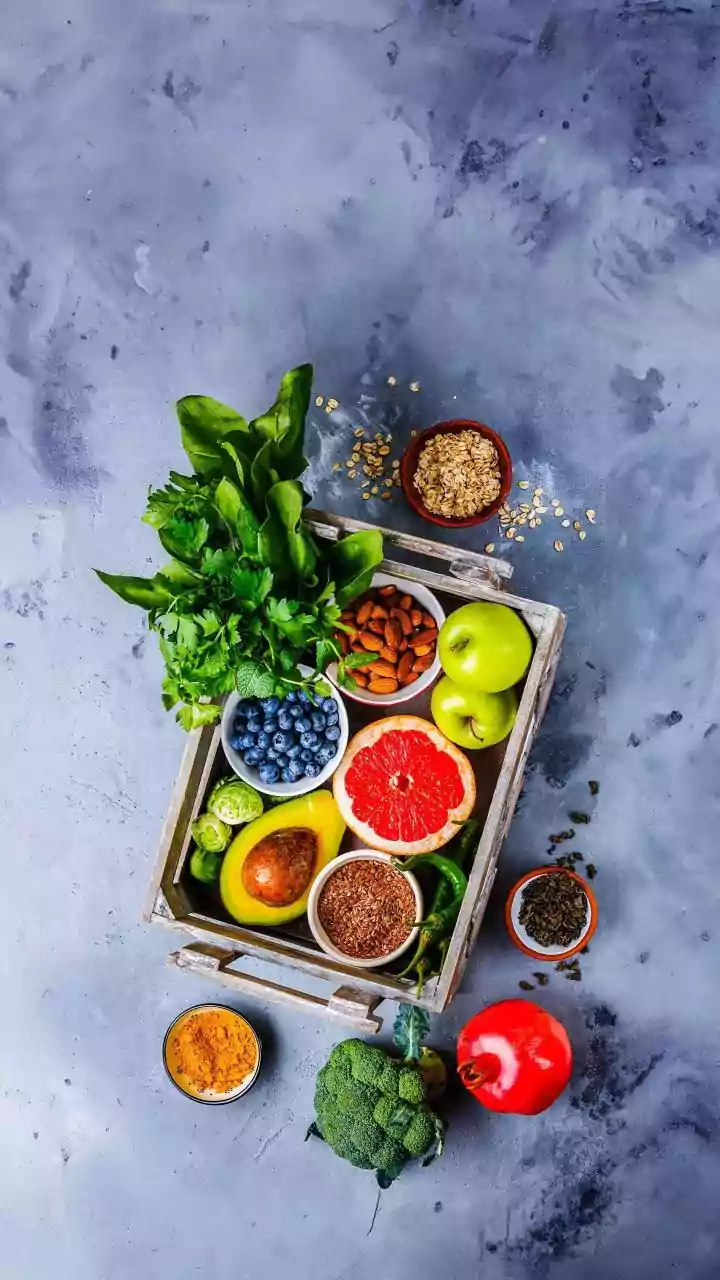
The pitter-patter of rain often brings on a craving for fried snacks like pakoras and samosas. While indulging occasionally is fine, heavy, oily foods can tax your already sluggish digestion. Instead, opt for healthier, lighter snacks. Roasted corn on the cob (bhutta) is a classic, safe, and delicious monsoon treat. Steamed snacks like dhokla are light and easy on the stomach. A handful of nuts and seeds, such as almonds and pumpkin seeds, can provide essential nutrients like Vitamin E and zinc, which are crucial for immune function. You can also try air-frying or baking your favourite snacks to cut down on the oil.
The Right Fruits and Hydration
Staying hydrated is crucial, but cold drinks can dampen your digestive fire. Stick to warm herbal teas with ginger, tulsi, or cinnamon. When it comes to fruits, choose seasonal options like jamun, pears, papaya, and pomegranates. These are packed with vitamins, especially Vitamin C, and antioxidants that help bolster your immune system. It's best to avoid water-rich fruits like watermelon, which can cause bloating. Also, be sure to consume fruits whole instead of as juices to benefit from their fibre content.