







So, What Exactly Are Ceramides?
Think of your skin's outermost layer, the skin barrier, as a brick wall. The skin cells are the 'bricks,' and the lipids (or fats) that hold them together are the 'mortar.' Ceramides make up about 50% of this mortar. They are naturally occurring fats that are essential
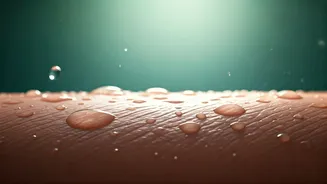
for keeping your skin barrier strong and healthy. A strong barrier does two critical jobs: it keeps moisture locked in, preventing dryness and dehydration, and it keeps harmful environmental aggressors like pollution and bacteria out. When your ceramide levels are low, this 'mortar' develops cracks, leading to a compromised barrier that can result in dryness, irritation, redness, and increased sensitivity.
Why the Sudden Popularity?
Ceramides aren't new, but their recent surge in popularity is a direct response to other skincare trends. For years, the focus was on aggressive exfoliation with powerful ingredients like AHAs, BHAs, and retinoids. While effective, overusing them can strip the skin and damage the barrier. People began looking for ways to repair and soothe their over-exfoliated skin, and ceramides became the hero ingredient for the job. The wellness movement's shift towards 'skin health' over 'flawlessness' has also played a huge role. Instead of just targeting pimples or wrinkles, the focus is now on building a resilient, healthy foundation. Social media influencers and dermatologists alike have championed this 'barrier repair' movement, placing gentle, supportive ingredients like ceramides front and centre.
The Key Benefits for Your Skin
Incorporating ceramides into your skincare routine offers a host of benefits, especially for those living in Indian cities where pollution and fluctuating weather can take a toll. First and foremost, they reinforce your skin's natural barrier, making it less susceptible to environmental damage. Second, they are masters of hydration, preventing transepidermal water loss (a fancy term for water evaporating from your skin) to keep it plump and moisturised. This improved hydration helps diminish the appearance of fine lines and wrinkles. Finally, because they restore the skin barrier, ceramides can significantly reduce redness, soothe irritation, and calm inflammatory conditions like eczema and rosacea, making your complexion feel more comfortable and look more even-toned.
Who Should Be Using Ceramides?
Here's the best part: almost everyone can benefit from ceramides. They are a 'skin-identical' ingredient, meaning your body already produces them, so the risk of irritation is extremely low. They are particularly beneficial for certain skin types. If you have dry or dehydrated skin, ceramides are a non-negotiable for locking in moisture. For those with sensitive or easily irritated skin, they help calm and strengthen the skin's defences. Even people with oily or acne-prone skin can benefit, as a damaged barrier can sometimes trigger an overproduction of oil to compensate for dryness, leading to more breakouts. Ceramides help balance the skin and can support the use of stronger acne treatments which may be drying.
How to Add Ceramides to Your Routine
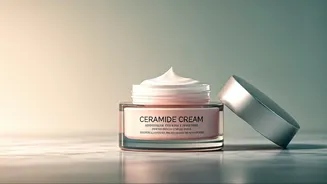
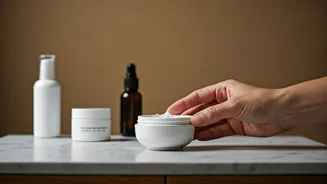
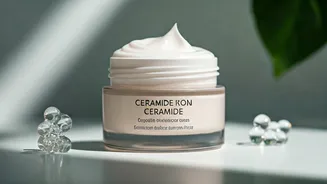
Adding ceramides to your routine is simple. You can find them in all sorts of products, from cleansers and toners to serums and masks, but they are most effective in leave-on products like moisturisers and serums. A good ceramide-rich moisturiser is the easiest way to start. Look for 'ceramide NP,' 'ceramide AP,' or 'ceramide EOP' on the ingredients list. For an extra boost, a ceramide serum can be applied before your moisturiser. They also play well with other ingredients. Pairing ceramides with other hydrating heroes like hyaluronic acid (which draws water into the skin) and glycerin is a classic combination. Using them alongside cholesterol and fatty acids can further mimic the skin's natural lipid composition, offering even better barrier repair.