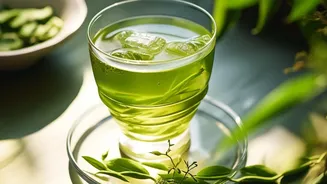






What Exactly Is This Green Drink?
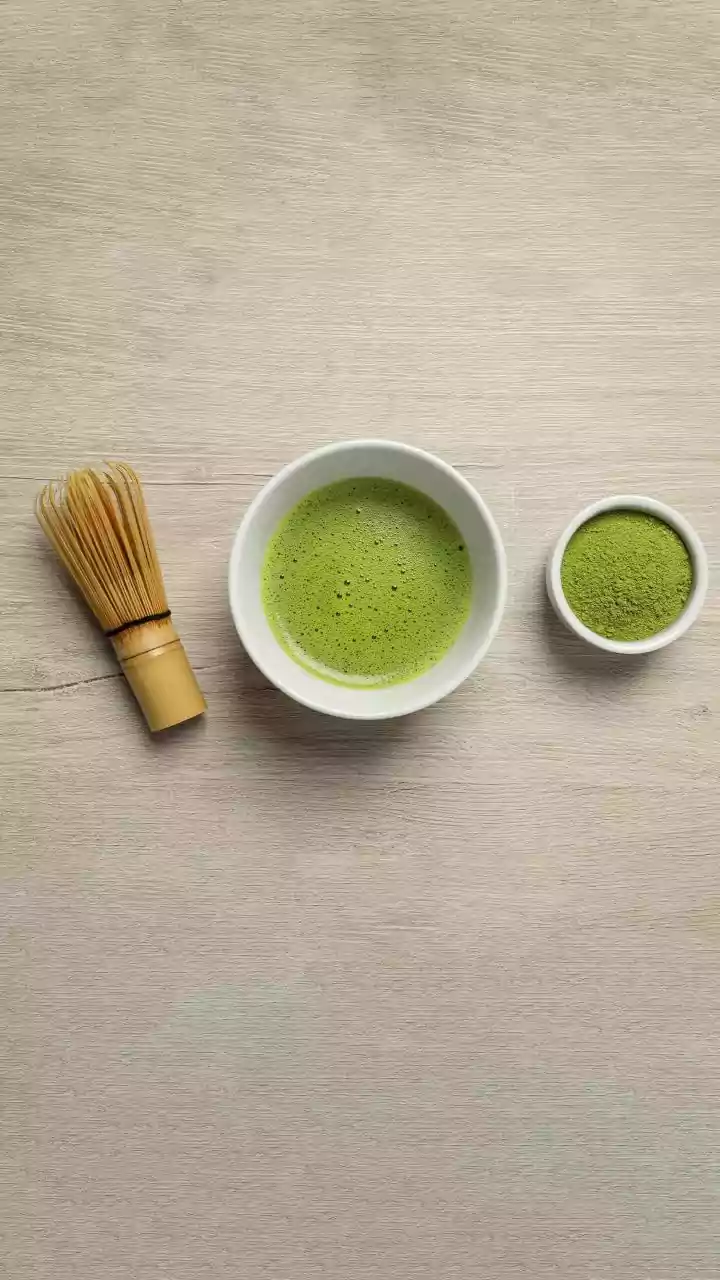
For the uninitiated, matcha is a fine powder of specially grown and processed green tea leaves, traditionally from Japan. Unlike regular green tea where you steep and discard the leaves, with matcha, you are consuming the entire leaf, ground into a delicate
powder. This powder is then whisked—often with a traditional bamboo whisk called a chasen—with hot water to form a smooth paste before being combined with steamed milk to create a latte. This ritualistic preparation is part of its allure, transforming a simple drink order into a craft experience. Its flavour profile is complex: earthy and grassy with a subtle, savoury sweetness known as 'umami', a world away from the bitter punch of an espresso shot.
The Allure of Mindful Wellness
A huge driver of matcha's ascent is its reputation as a wellness powerhouse. It is packed with antioxidants, particularly EGCG (epigallocatechin gallate), which is linked to boosting metabolism and overall health. But the real magic for many young professionals is the unique caffeine experience. Matcha contains an amino acid called L-theanine, which promotes a state of calm alertness. This means you get a sustained energy boost without the jittery anxiety or the infamous afternoon crash associated with strong coffee. For a generation juggling deadlines and prioritising mental well-being, this promise of 'calm energy' is a powerful proposition, making it feel less like an indulgence and more like an act of self-care.
A Drink Made for the Social Media Age
Let’s be honest: matcha is incredibly photogenic. Its striking green hue, often layered beautifully with white milk in a clear glass, makes it an 'Instagrammable' masterpiece. In an age where aesthetics are a crucial part of the social experience, ordering a matcha latte is as much about the visual statement as it is about the taste. Scrolling through social media feeds, you'll see influencers and celebrities cradling their green lattes, cementing the drink's status as a trendy, aspirational beverage. This visual appeal has been a key ingredient in its rapid spread among urban Gen Z and millennial consumers, who are quick to adopt and share global trends.
The New Cafe Status Symbol
The rise of third-wave coffee culture in India paved the way for matcha. Cafes that educated consumers on single-origin beans and craft brewing methods created an audience willing to pay a premium for specialty beverages. Priced anywhere from ₹250 to ₹450, a matcha latte sits comfortably in the same price bracket as a specialty cold brew or Frappuccino. For the target demographic—young professionals in tech, design, and creative fields—this price is an accessible luxury. Ordering a matcha latte signals a certain cultural fluency; it says you are health-conscious, globally aware, and have a discerning palate that looks beyond the mainstream. It has become a quiet rebellion against the frantic energy of hustle culture, symbolised by a large cup of cold coffee.
More Than Just a Latte
The creativity of Indian cafes has been instrumental in popularising the flavour. While the classic hot or iced latte is a staple, menus now feature inventive concoctions designed to appeal to the Indian palate. You can find everything from Strawberry Matcha Lattes and Coconut Water Matcha to more adventurous pairings like Matcha with Pallonji's Ice Cream Soda in Mumbai cafes. The ingredient's versatility extends beyond drinks, appearing in desserts like cheesecakes, ice creams, and mochi. This culinary experimentation makes matcha more approachable for first-timers who might be hesitant about its earthy taste, offering sweeter, fruitier gateways into the world of green tea.