





The Inevitable Fading of Paper
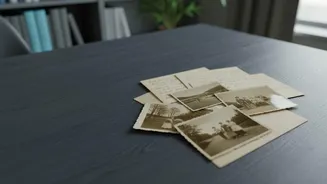
Paper, by its very nature, is a temporary medium. Whether it's a birth certificate, a grandparent's wedding portrait, or a treasured letter, the material itself is vulnerable. Paper's enemies are numerous and often invisible. The very composition of some
paper, especially wood-pulp paper made after the mid-19th century, contains acidic compounds that cause it to become brittle and yellow over time. External factors accelerate this decline. Exposure to sunlight or even fluorescent light can bleach inks and cause the paper's cellulose fibers to break down. High humidity can encourage mould growth, leading to stains and decay, while pests like silverfish and cockroaches can cause physical damage by feeding on the paper. Even frequent handling, no matter how careful, introduces oils and dirt that can stain and weaken fragile documents.
Digitization as a Digital Lifeline
Creating digital copies is the single most effective way to combat the slow march of time. By scanning or photographing your fragile documents, you are not replacing them, but creating a permanent, stable backup that is immune to physical degradation. A high-quality scan captures the document in its current state, effectively freezing it in time and preventing any further loss from fading, tearing, or discoloration. This digital version becomes a lifeline for your memories, ensuring that the information and emotional value they hold are preserved indefinitely, even if the original physical copy continues to degrade.
The Unexpected Joy of Accessibility
While preservation is the primary goal, one of the greatest benefits of digitization is the incredible ease of access it provides. That box of photos, once a storage burden, becomes a browsable digital album. You can share a rare photo of a great-grandparent with relatives across the globe in an instant. Important documents can be organized into searchable folders on your computer, retrievable in seconds rather than after a lengthy search through dusty boxes. This newfound accessibility allows you to interact with your own history more freely and frequently, without the fear of causing damage to the delicate originals. It turns a static archive into a living collection that can be easily enjoyed, shared, and integrated into your life.
How to Get Started
The prospect of digitizing a lifetime of documents can feel daunting, but starting is easier than you think. For loose photos and standard documents, modern smartphone apps like Google PhotoScan or Microsoft Lens offer surprisingly high-quality results. For more delicate or numerous items, a flatbed scanner is a worthwhile investment, allowing you to control resolution and quality. If the task feels too large or involves especially precious items, professional digitization services can handle the entire process for you. Whatever method you choose, create a consistent organizing system from the start. Use descriptive file names and sort files into logical folders by year, event, or person to make them easy to find later.
Protecting Your Digital Archive
Creating digital files is only the first step; protecting them is just as crucial. Digital data can be lost to hard drive failure, theft, or accident. The best practice is the “3-2-1 rule”: keep at least three copies of your data on two different types of storage media, with one copy stored off-site. In practical terms, this could mean having one copy on your computer's hard drive, a second on an external hard drive, and a third stored in the cloud using a service like Google Drive or Dropbox. Regularly checking on these files and migrating them to new storage media every five years or so ensures your digital archive remains safe and accessible for decades to come.
What About the Originals?
Once you have secure digital copies, the pressure to keep the physical originals is significantly reduced. This is where the true liberation begins. For documents with no sentimental value, secure shredding is often the best option, freeing up space and removing the risk of the information being compromised. For items you wish to keep, you can now store them in archival-quality, acid-free boxes in a cool, dark, and dry place, knowing that their preservation is no longer a source of anxiety. You've already saved the memory. The original object can now be stored for its own sake, not because you're terrified of losing the story it tells.