


The End of an Era, The Dawn of a Market
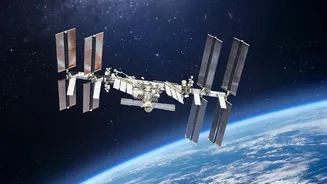
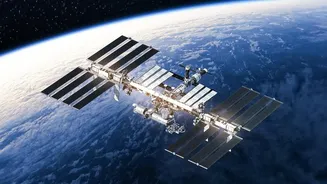
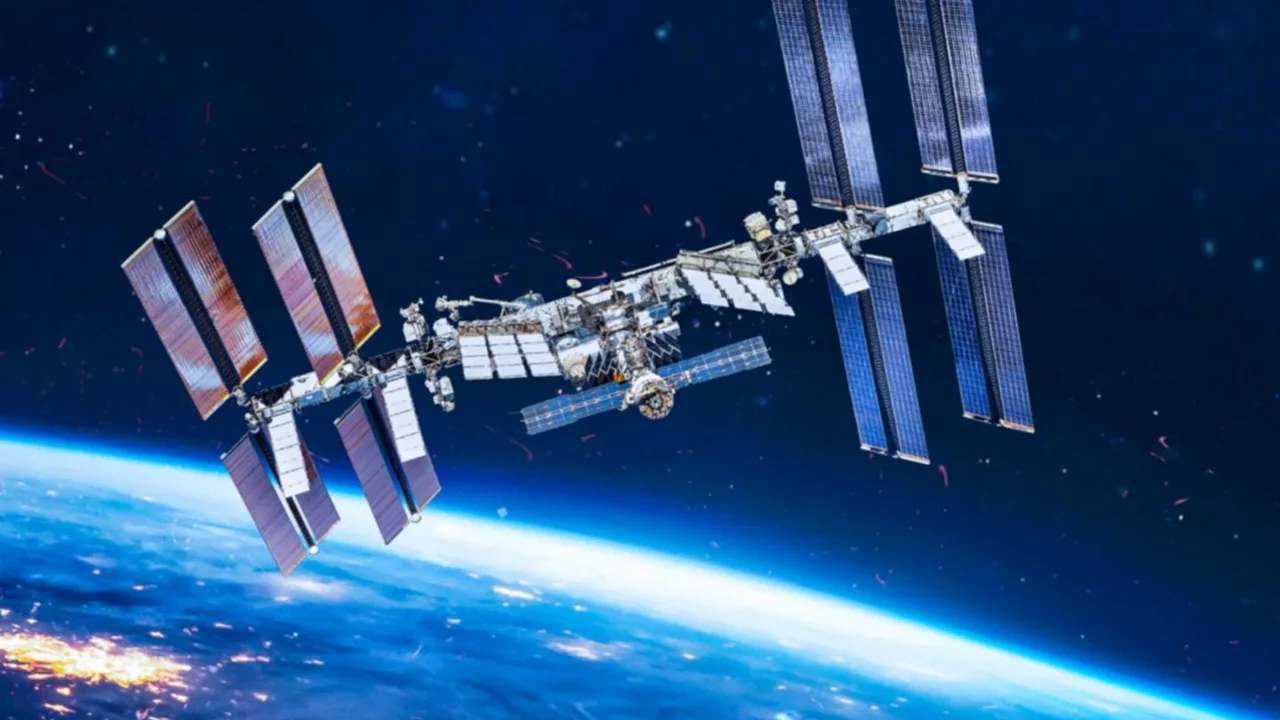
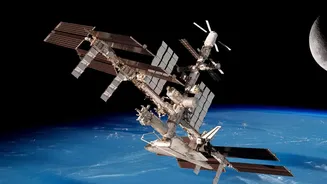
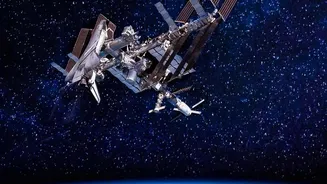
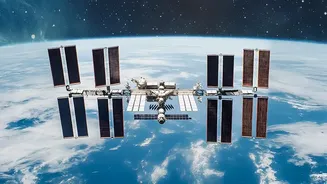
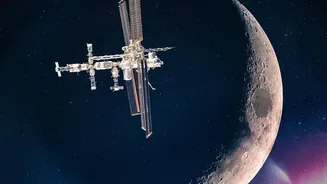
The International Space Station stands as one of humanity's greatest engineering achievements, a symbol of global cooperation that has hosted over 270 astronauts from 21 countries. However, after three decades of continuous operation, the aging orbital
laboratory is scheduled for a controlled deorbit into a remote part of the Pacific Ocean around 2030. This planned retirement creates a critical challenge: without a successor, our permanent human presence in low-Earth orbit could end. NASA, recognizing this, has shifted its strategy from being a sole operator to becoming a customer. The agency is actively encouraging and funding a new commercial space industry to develop private stations, ensuring that vital microgravity research can continue without interruption. This transition is seeding a vibrant marketplace in orbit, where multiple companies will compete to offer services to national space agencies, private researchers, and even space tourists.
The Commercial Torchbearers
A handful of ambitious companies are at the forefront of this new space race. Axiom Space, Vast, and a partnership between Blue Origin and Sierra Space are leading the charge, each with a unique approach to building the next generation of orbiting habitats. These aren't just sterile government labs; they are envisioned as 'business parks in space' or mixed-use platforms supporting everything from pharmaceutical research and materials science to in-space manufacturing and tourism. NASA has awarded contracts and entered into agreements with these firms to spur their development, aiming to have at least one commercial station operational before the ISS is decommissioned. This ensures a seamless handover and prevents a gap in American access to low-Earth orbit.
Axiom's Dock-and-Detach Strategy
Houston-based Axiom Space has a particularly clever plan. Instead of building a free-flying station from scratch, its first modules are designed to attach directly to the International Space Station starting as early as 2027. This allows Axiom to leverage the ISS's existing power and life support systems while assembling its own station piece by piece. Once the ISS is ready for retirement, the Axiom segment will simply detach and become the world's first independent commercial space station. The company is already conducting private astronaut missions to the ISS, building operational experience and revenue streams to fund its ambitious project. The first module's primary structure is already being welded and assembled, marking tangible progress toward this goal.
Inflatable Habitats and New Frontiers
Other companies are exploring more revolutionary designs. Sierra Space, in partnership with Blue Origin for their 'Orbital Reef' station, is developing the Large Integrated Flexible Environment (LIFE) habitat. This module launches in a compressed state and then inflates in orbit to become a structure three stories tall, offering a massive volume for work and living. These soft-goods structures are made of high-strength fabrics and webbing designed to withstand the harsh environment of space, including micrometeoroid impacts. Meanwhile, the company Vast is developing Haven-1, a single-module station planned for launch as soon as 2027, with the goal of becoming the world's first truly commercial space station from day one. It's also pioneering research into creating artificial gravity on future, larger stations—a key technology for long-duration spaceflight.
A New Era for Science and Commerce
These next-generation habitats are being designed as multi-purpose destinations. Scientific research remains a primary driver. The ability to conduct experiments in microgravity is crucial for breakthroughs in medicine, materials science, and fundamental physics. Private stations will offer dedicated lab space, payload slots, and advanced research facilities. Vast's Haven-1, for example, will feature a dedicated lab with 10 slots for research payloads. But commerce is an equally important focus. The business model for these stations relies on a diverse customer base. This includes not only NASA and other national space agencies but also private companies looking to manufacture unique products in zero gravity, media companies filming in space, and wealthy tourists seeking the ultimate travel experience.