

In the modern Indian kitchen, a quiet battle is being waged. In one corner, the trendy global superfood, quinoa. In the other, the humble, ever-present family of lentils, or dals. Both are hailed for their health benefits, but how do they stack up?
Meet the Contenders
First,
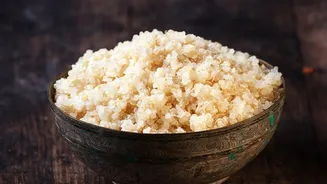
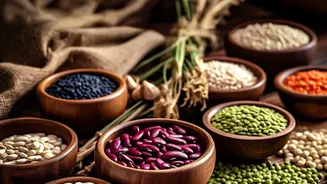
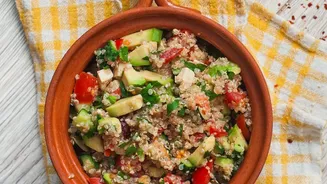
let's get the introductions right. Quinoa, despite being used like a grain, is technically a 'pseudocereal' – the seed of the Chenopodium quinoa plant, related to spinach. It has a light, fluffy texture when cooked and a mild, nutty flavour. Lentils, on the other hand, are pulses – the edible seeds of legume plants. They are a cornerstone of Indian cuisine, coming in a variety of colours like yellow (toor/moong), red (masoor), brown, and green, each with a slightly different texture and cooking time.
The Nutritional Showdown
This is where the comparison gets interesting. Per cooked 100g, lentils pack a heavier nutritional punch in several key areas. They contain significantly more protein (around 9g) and dietary fibre (around 7-8g) than quinoa, which has about 4.4g of protein and 2.8g of fibre. Lentils are also richer in folate and iron. However, quinoa has a unique advantage: it is a 'complete protein'. This means it contains all nine essential amino acids our bodies cannot produce on their own, a rare trait for a plant-based food. Lentils are an 'incomplete protein' but can easily be made complete by pairing them with a grain like rice or roti, a combination intuitively followed in Indian meals for generations.
Impact on Blood Sugar
For those managing blood sugar, both are excellent choices compared to refined grains like white rice. Both have a low glycemic index (GI), meaning they don't cause sharp spikes in blood sugar. However, lentils generally have a lower GI, typically around 32, while quinoa's GI is about 53. The high fibre content in both foods, especially lentils, slows down digestion and the release of sugar into the bloodstream, which helps in feeling full for longer and can aid in weight management.
Versatility in the Indian Kitchen
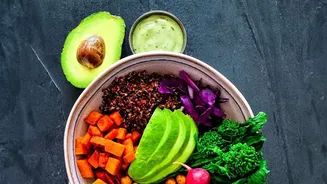
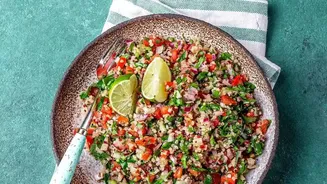
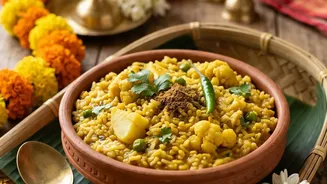
Lentils are the undisputed champion of traditional Indian cooking. They are the base for countless dals, sambars, and khichdis. Red lentils (masoor dal) cook quickly and break down into a creamy texture, perfect for soups, while others hold their shape better. Quinoa, a relative newcomer, is incredibly versatile. It can be used as a direct substitute for rice, making for a healthier pulao or biryani. It's also popular in salads and can even be used to make a nutritious upma or porridge. Many modern recipes now combine both, creating dishes like Quinoa Khichdi, which offers the benefits of both ingredients.
The All-Important Price Factor
For most Indian households, this is a major consideration. Lentils are a budget-friendly staple. Depending on the type, dal generally costs between ₹70 to ₹120 per kilogram. Quinoa, largely considered a premium or 'gourmet' product, is significantly more expensive. Prices in Indian markets can range from ₹200 to well over ₹400 per kilogram. This price difference makes lentils the more accessible and sustainable option for daily protein and fibre intake for the average family.