







The Golden Comfort of Turmeric Milk
A staple in Indian households for generations, Haldi Doodh, or turmeric milk, is a go-to remedy for a reason. This 'golden milk' is more than just a comforting warm drink for a rainy night. Turmeric contains curcumin, a compound with powerful anti-inflammatory
and antioxidant properties. During the monsoon, when the risk of coughs, colds, and sore throats is high, a glass of warm turmeric milk can act as a natural decongestant and immunity booster. It also aids digestion, which can become sluggish in the damp weather. For best results, add a pinch of black pepper, which significantly increases the absorption of curcumin.
A Wholesome Bowl of Khichdi
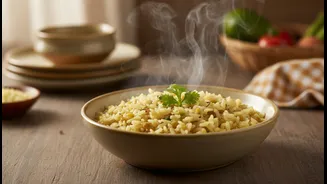
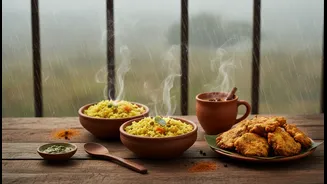
Khichdi is widely regarded as the ultimate comfort food, and it's especially beneficial during the monsoon. This one-pot meal of rice and lentils, typically moong dal, is light, easy to digest, and provides a complete protein. According to Ayurveda, the digestive fire (agni) is weaker during the rainy season, making easily digestible meals like khichdi an ideal choice. You can enhance its nutritional value by adding vegetables and warming spices like turmeric, cumin, and ginger. A dollop of ghee not only adds flavour but also helps in better digestion and absorption of nutrients.
The Power of Ginger and Tulsi Teas
Nothing beats the feeling of sipping a hot cup of tea while it pours outside. During the monsoon, make your tea work for you by infusing it with powerful herbs. Ginger tea is excellent for soothing a sore throat, improving digestion, and warming the body. Ginger's active compound, gingerol, has potent anti-inflammatory and antiviral properties. Similarly, Tulsi (Holy Basil) is a revered herb in Ayurveda for its ability to fight off infections. A warm infusion of Tulsi leaves can help reduce stress and bolster your respiratory health, making it a perfect monsoon beverage.
Hearty and Healing Soups
A bowl of hot soup is like a warm hug on a dreary monsoon day. Soups are not only comforting but also a great way to stay hydrated and get a concentrated dose of nutrients. Opt for clear soups and broths made with seasonal vegetables like bottle gourd (lauki), carrots, and tomatoes. Adding ingredients like garlic, ginger, and black pepper can enhance their healing properties. Garlic is known for its powerful antibacterial and antiviral effects, making it a great addition to your diet to ward off seasonal illnesses. A simple lentil soup or a vegetable stew can be both nourishing and satisfying.
Seasonal Fruits and Vegetables
Embracing seasonal produce is a cornerstone of healthy eating. During the monsoon, opt for fruits like jamun, pomegranate, and pears, which are rich in antioxidants and vitamin C. Among vegetables, gourds like bitter gourd (karela) and bottle gourd (lauki) are recommended as they are light and easy to digest. It's generally advised to avoid raw salads and opt for steamed or boiled vegetables to reduce the risk of water-borne infections. Roasting or grilling corn (bhutta), a classic monsoon snack, is also a great option as it is rich in fibre and antioxidants.
The Magic of Spices
Indian spices are not just for flavour; they are packed with medicinal properties that are especially useful during the monsoon. Besides turmeric and ginger, spices like cinnamon, cloves, cardamom, and black pepper have warming properties and help boost immunity and digestion. Masala chai, a brew of tea with these spices, is a popular and effective way to enjoy their benefits. Adding a pinch of asafoetida (hing) to your cooking can aid digestion and prevent bloating, a common issue during this season.