


The Post-Monsoon Advantage
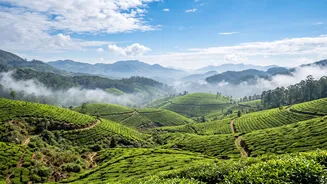
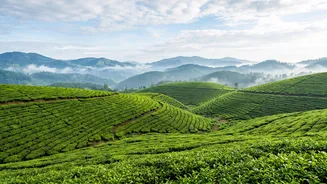
September is a transitional month for weather in India, and this is what makes it a special time for a getaway. After months of rain, landscapes are incredibly lush and waterfalls are at their peak. The heavy tourist rush of summer has subsided, meaning
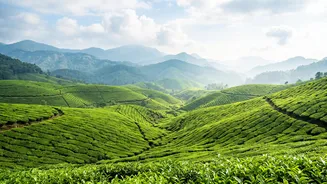
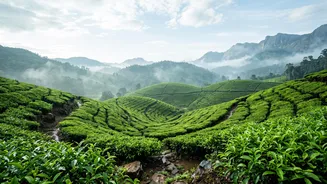
you can often find better deals and a more peaceful experience. The weather is generally pleasant and cool, perfect for sightseeing and enjoying the misty ambiance that hangs over the valleys. This month offers a unique window to see hill stations in their most refreshed and verdant state before the drier winter season begins.
Choosing Your Destination Wisely
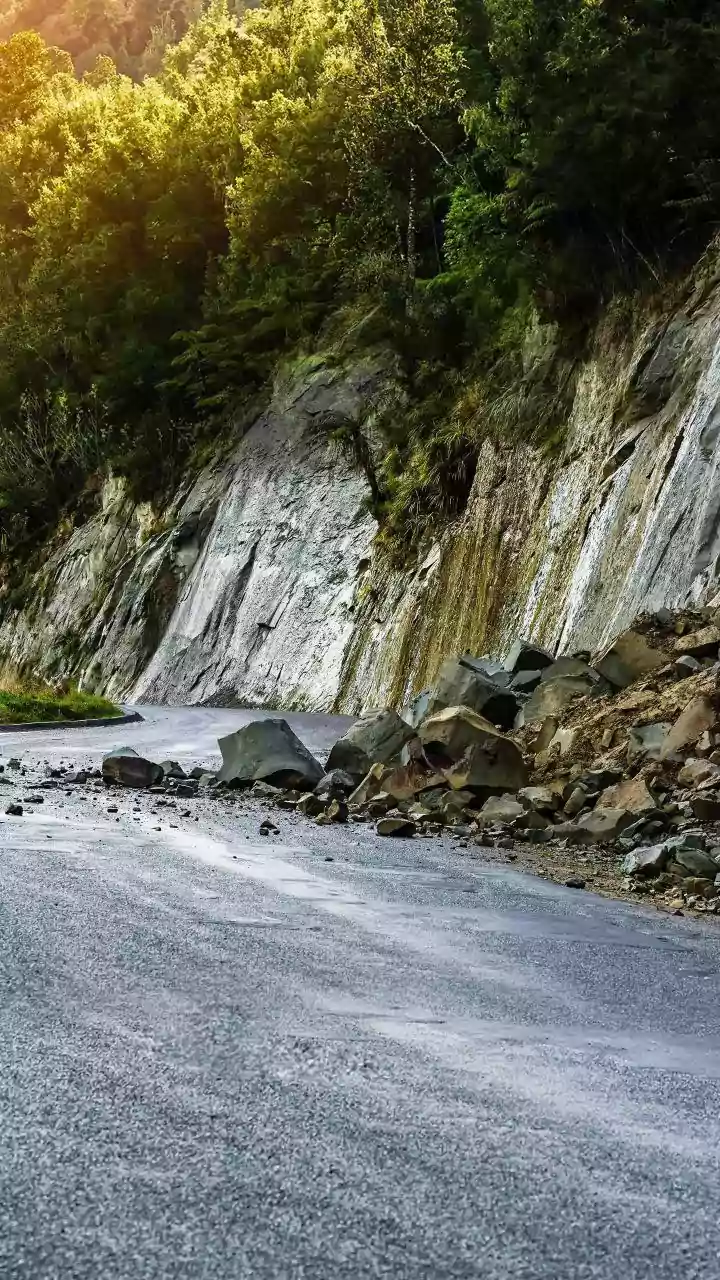
Not all hill stations are equal when it comes to September safety and accessibility. Northern regions like Himachal Pradesh and Uttarakhand can still experience heavy showers and road disruptions early in the month. A recent forecast for Himachal, for example, warned of an active monsoon with heavy rainfall and blocked roads through early September. Experts often suggest that the second half of September is a safer bet for the Himalayas, as the monsoon typically recedes around the 18th-20th. In contrast, hill stations in the Western Ghats of South India can be excellent choices. Places like Coorg, Wayanad, Ooty, and Kodaikanal are famed for their monsoon beauty, offering misty coffee plantations and rain-fed waterfalls. These regions are generally considered more resilient for travel during this period.
Your Monsoon-Ready Packing List
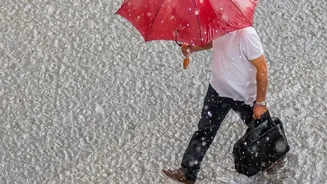
Packing smart is crucial for a comfortable September trip. The key is to focus on materials that dry quickly and protect against dampness. Avoid cotton and denim, which absorb moisture and stay wet for hours in high humidity. Instead, opt for quick-dry synthetic fabrics for your clothes. Your packing list should absolutely include a reliable waterproof jacket or poncho, as umbrellas can be useless against strong winds. Grippy, waterproof footwear is non-negotiable for slippery trails and wet streets. Also, pack a microfiber towel, which dries much faster than a standard one. For your electronics, use dry bags or zip-lock pouches to keep them safe from sudden downpours. Other essentials include an insect repellent with DEET, a basic first-aid kit, and a power bank stored in a waterproof case.
Staying Safe on the Road and at Your Stay
Travel during this season requires extra vigilance. If driving, always check road conditions before you start your journey, especially in mountainous regions prone to landslides. It’s best to travel during daylight hours and avoid driving during heavy rain alerts. When booking accommodation, look for places with good reviews for cleanliness and maintenance, as high humidity can lead to dampness. It might also be wise to choose flexible booking options in case your plans are disrupted by the weather. In regions like the Himalayas, it's recommended to have buffer days in your itinerary to account for potential road closures or delays.
Embracing the Rainy Day
A rainy day in a hill station doesn't have to mean a boring day. It’s the perfect opportunity to slow down and enjoy the cozy side of the mountains. Seek out a local café to sip on hot tea or coffee while watching the rain. Explore indoor attractions like local markets, museums, or colonial-era churches. Many resorts and hotels also offer indoor activities or spa services. A rainy day is also a great excuse to simply relax in your room with a good book, enjoying the sound of the rain and the mist-covered views from your window. The goal is to see the rain not as an obstacle, but as part of the unique atmospheric experience.