





The Airy Essential: Cotton
Cotton is a timeless choice for a reason. This natural fibre is incredibly breathable, allowing air to circulate and preventing that suffocating feeling common in humid weather. Its ability to absorb moisture helps keep sweat away from your skin, making
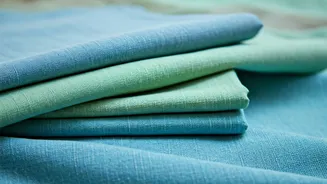
you feel fresher for longer. For the monsoon, however, not all cotton is created equal. Steer clear of thick, heavy cottons which can absorb too much water and take a long time to dry. Instead, opt for lighter weaves like cotton voile, mulmul, and cambric. These fabrics offer all the softness and comfort of cotton without the long drying time, making them perfect for everyday kurtas, tops, and dresses.
The Breezy Champion: Linen
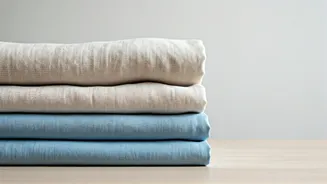
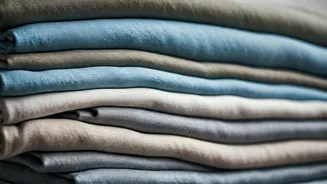
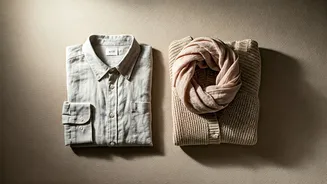
When it comes to beating humidity, linen is a true champion. Made from the flax plant, its natural fibres are structured to allow for maximum airflow, making it exceptionally breathable. One of linen's biggest advantages during the monsoon is its quick-drying nature; it dries much faster than cotton, ensuring a sudden downpour doesn't leave you feeling soggy all day. It also has the unique quality of becoming stronger and softer when wet. While linen is famous for its tendency to wrinkle, the rainy season is the perfect time to embrace its relaxed, lived-in aesthetic. A loose linen shirt or a pair of wide-leg trousers can be both incredibly comfortable and effortlessly chic.
The Silky Alternative: Rayon
If you love the feel of silk but not its impracticality in the rain, rayon is your go-to fabric. As a semi-synthetic material made from natural cellulose, rayon is known for its smooth texture and beautiful drape, which prevents it from clinging uncomfortably to the skin when damp. It is lightweight, breathable, and does a great job of absorbing moisture without trapping body heat. This makes it an excellent choice for flowy dresses, blouses, and jumpsuits that keep you feeling cool and looking polished, even on the most overcast days. Many designers now favour rayon for monsoon collections because it blends style and practicality so well.
The Smart Denim Swap: Chambray
Giving up your favourite pair of jeans during the monsoon can be tough, but heavy denim is one of the worst fabrics for rainy weather—it gets incredibly heavy when wet and can take days to dry. Enter chambray, its smarter, lighter cousin. Chambray offers a similar woven appearance to denim but is significantly lighter and more breathable, making it a perfect alternative for the season. It gives you that classic, casual look without the discomfort of thick, waterlogged fabric. A chambray shirt, dress, or even a pair of lightweight chambray trousers will keep you looking stylish while feeling comfortable and dry.
The Practical Power of Blends
Modern textile technology offers the best of both worlds with smart fabric blends. Materials like cotton-polyester or cotton-linen are engineered for monsoon performance. These blends combine the natural comfort and breathability of cotton or linen with the durability, wrinkle-resistance, and quick-drying properties of synthetic fibres like polyester. This means you get a garment that feels soft against your skin but can also withstand a surprise shower and dry out in a fraction of the time. They are an incredibly practical choice for workwear or daily outfits when you need to look put-together without worrying about the weather.
Fabrics to Sideline This Season
Just as important as knowing what to wear is knowing what to avoid. Heavy fabrics are your worst enemy during the monsoon. Thick denim and corduroy become water-logged and heavy. Pure, heavy silk can be easily damaged by water spots and takes a very long time to dry. Velvet is another fabric to save for winter, as it traps moisture and can develop mildew in the damp environment. While pure polyester is water-resistant, it often lacks breathability, which can make you feel sweaty and trapped in the high humidity.