




The Secret Weapon: A Master Gravy
The foundation of countless North Indian dishes is a slow-cooked onion and tomato mixture known as 'bhuna masala'. This is your all-purpose base, the secret that restaurants use to whip up different curries in minutes. By preparing a large batch of this
flavour-packed base, you're doing all the hard work—the chopping, the browning of onions, the slow simmering—in one go. The result is a rich, versatile canvas that you can use to create dozens of different dishes throughout the week, from a quick paneer curry to a hearty chana masala.
North Indian All-Rounder: Onion-Tomato Masala
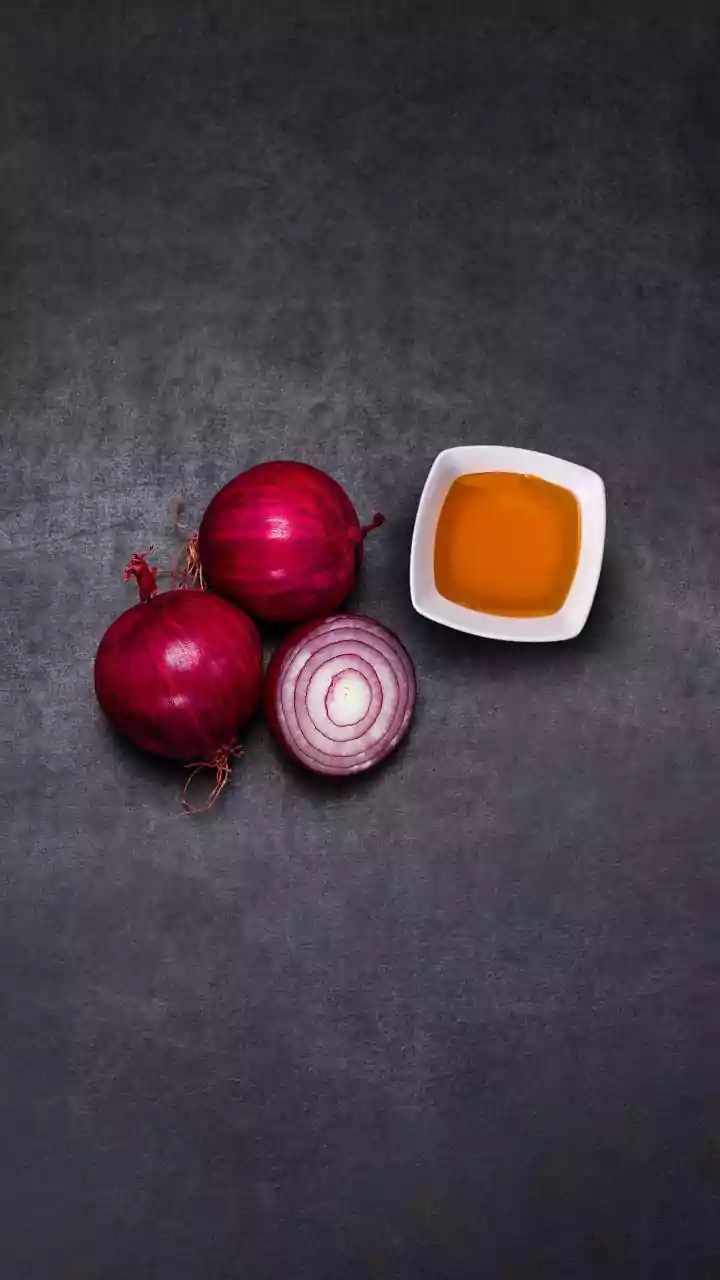
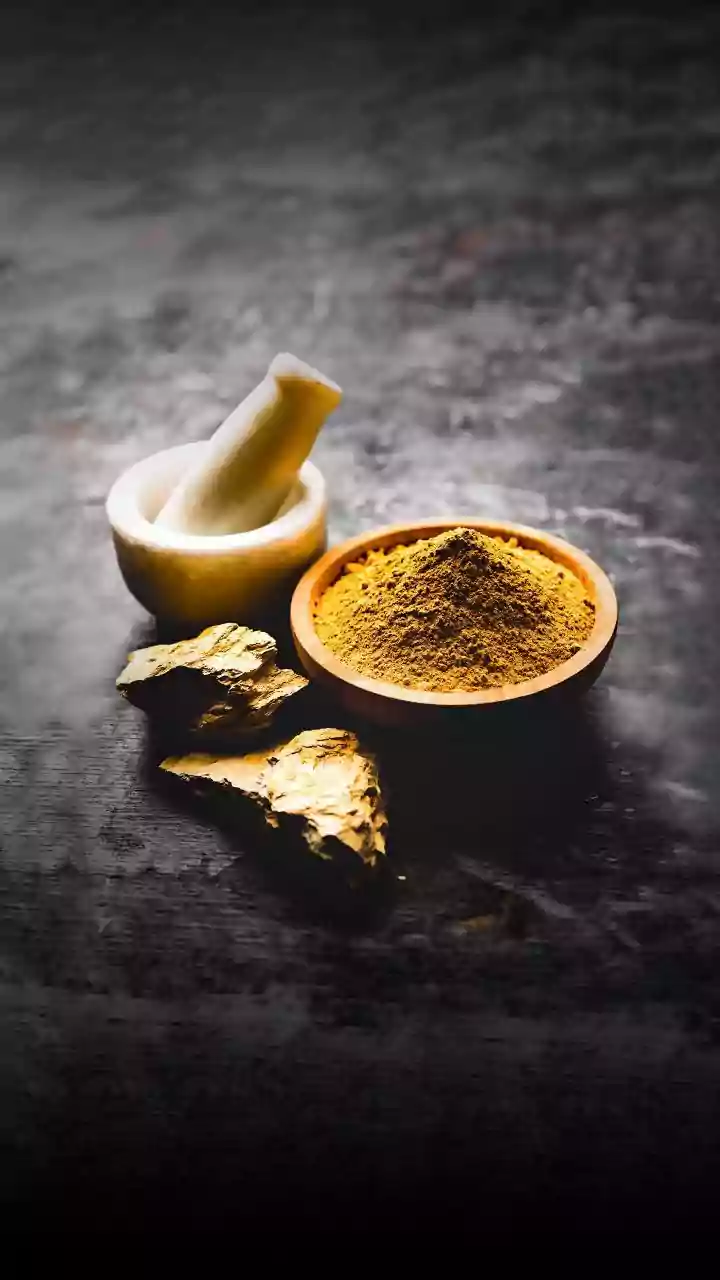
This recipe will yield a substantial batch that you can store for weeks. You'll need about 1 kg of red onions, 750 grams of tomatoes, about 50 grams each of ginger and garlic, a few green chillies, and your basic powdered spices: coriander, cumin, turmeric, and red chilli powder. Start by heating a neutral oil in a large, heavy-bottomed pan. Add finely chopped onions and cook them on a low to medium flame until they are deeply golden brown; this is the most crucial step for flavour and can take up to 30 minutes, so be patient. Next, add your ginger-garlic paste and cook for a couple of minutes until the raw smell disappears. Then, stir in the powdered spices and cook for a minute before adding the chopped tomatoes. Cook this mixture down, stirring occasionally, until the tomatoes break down completely and you see oil starting to separate from the masala. This is your signal that the base is ready. Let it cool completely.
How to Use Your North Indian Base
With your bhuna masala ready, weeknight dinners become incredibly simple. To make a quick curry, heat a few spoonfuls of the base in a pan. For Paneer Butter Masala, add a splash of water or milk, chunks of paneer, and finish with a touch of cream and kasuri methi. For a classic Egg Curry, add boiled eggs to the simmering base. Want Chana Masala? Just add a can of chickpeas and a sprinkle of garam masala. You can use it as a starting point for almost any North Indian vegetarian or non-vegetarian dish you can think of.
South Indian Staple: Coconut-Spice Paste
South Indian curries often rely on a different, but equally versatile, base made from coconut. This base brings a lighter, creamier, and subtly sweet flavour profile that is distinct from its Northern counterpart. For a simple and adaptable version, you'll need about one cup of freshly grated coconut (or desiccated if fresh is unavailable), a couple of green chillies, a small piece of ginger, and half a teaspoon of cumin seeds. Blend these ingredients with a little water to form a smooth, thick paste. This paste is your instant ticket to dishes like vegetable korma or a simple stew. Some variations also include dry roasting spices like coriander seeds, fennel seeds, and a cinnamon stick before grinding them with the coconut for a deeper flavour.
Ideas for Your South Indian Base
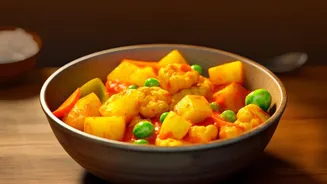
Using this base is just as easy. For a quick vegetable korma, heat a little oil and splutter some mustard seeds. Add your mixed vegetables (like carrots, peas, and beans) and sauté for a few minutes. Then, stir in your coconut paste, add water to achieve your desired consistency, season with salt, and simmer until the vegetables are cooked through. Don't boil the curry vigorously after adding the coconut paste, as it can split. This same base can be used for a simple fish curry by adding a little tamarind for tang or for making Avial, a classic Keralan mixed vegetable dish.
Storage is Key: Making It Last
Once your bases have cooled completely, it's time to store them. For short-term use, both bases will keep in an airtight container in the refrigerator for up to a week. For long-term storage, the freezer is your best friend. A great hack is to portion the bases into an ice cube tray. Once frozen, pop the cubes out and store them in a ziplock bag. This allows you to thaw the exact amount you need for a single meal. These frozen flavour bombs will last for up to three months, turning the promise of a quick, home-cooked curry into a weeknight reality.