








Your Body's Master Clock
Deep inside your brain is a master clock, known as the suprachiasmatic nucleus (SCN), that governs your body's daily cycles. This is your circadian rhythm, a roughly 24-hour internal process that regulates everything from your sleep-wake patterns to hormone
release, appetite, and body temperature. Think of it as the operating system running in your background, keeping all your biological functions on a schedule. When this clock is well-synced with the outside world, you feel alert during the day and sleepy at night. When it’s out of sync, you can feel groggy, unfocused, and prone to poor sleep, a state many office workers know all too well.
How Morning Light Sets the Tone
Light is the most powerful signal for setting this master clock. When bright, natural light hits your eyes in the morning, it sends a direct message to your brain to wake up and get moving. Specifically, it tells the SCN to suppress the production of melatonin, the hormone that makes you sleepy, and to trigger a gentle rise in cortisol, which promotes alertness. This simple act synchronizes all the other clocks in your body, from your liver to your muscles, ensuring they are all working on the same schedule. Getting this light signal as soon as possible after waking is crucial for establishing a robust and stable daily rhythm.
The Desk Worker's Dilemma
The modern office environment is often at odds with our biological needs. Many of us wake up in a dim room, commute in a vehicle, and spend eight or more hours under relatively weak artificial light that doesn't provide the strong signal our brains require. Even a brightly lit office is dim compared to being outdoors; a typical office provides about 300-500 lux of light, while a clear day outside can be over 10,000 lux. Spending the day indoors and then exposing ourselves to bright screens in the evening sends mixed signals to our SCN, confusing our bodies about whether it's day or night. This misalignment can lead to fatigue, reduced cognitive performance, and difficulty sleeping.
Tangible Benefits of a Synced Clock
Making an effort to get that morning light pays dividends throughout the day and night. Studies have shown that office workers with more exposure to morning light fall asleep faster and report better sleep quality. It also has a direct impact on daytime performance. In one study, workers exposed to better daylight were found to be more focused and scored higher on cognitive tests. The benefits extend to mood as well; regular morning light exposure is associated with reduced symptoms of depression and anxiety, helping you feel more balanced and less stressed. It helps you wake up more easily, stabilizes your energy, and prepares you for restorative sleep at night.
Simple Ways to Get Your Daily Dose
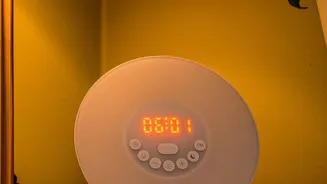
You don't need to completely overhaul your routine to reap the benefits. The goal is to get at least 15-30 minutes of bright light within the first hour of waking up. Try one of these strategies: take a short walk outside before you start your commute, drink your morning tea or coffee by a sunny window, or if possible, park further away from your office to get a few extra minutes of walking in the sun. If you work from home, positioning your desk near a window is a powerful move. For those dark winter mornings or in windowless offices, a light therapy lamp that provides 10,000 lux can effectively mimic the sun's signal. The key is consistency; make it a non-negotiable part of your morning ritual.