






Bottle Gourd (Lauki): The Hydrator
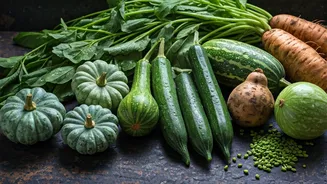
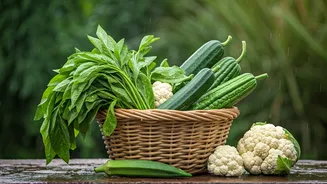
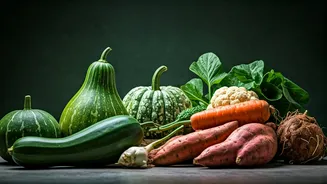
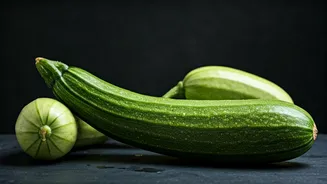
Often overlooked, bottle gourd is a true monsoon superstar. Composed of over 90% water, it's incredibly hydrating and very easy on the digestive system, which tends to be sluggish during this season. Its low-calorie nature makes it an excellent choice
for weight management. Rich in both soluble and insoluble fibre, lauki helps prevent constipation and promotes a healthy gut. It also contains essential minerals like sodium, potassium, and iron, which help replenish electrolytes lost due to humidity. To top it off, its cooling properties help soothe the body. A simple lauki soup or a light subzi is a perfect way to incorporate this vegetable into your monsoon diet.
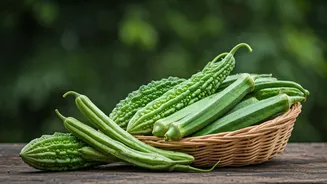
Bitter Gourd (Karela): The Immunity Booster
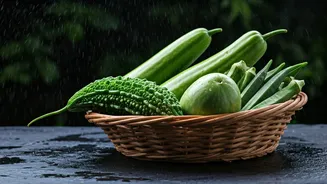
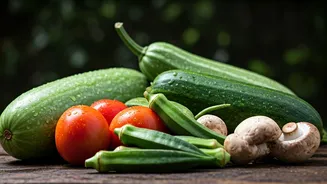
Don't let the bitterness scare you away. Bitter gourd is packed with powerful antioxidants and vitamin C, making it one of the best vegetables for strengthening your immune system against common monsoon infections like the flu and colds. It is renowned in traditional medicine for its blood-purifying properties and its ability to help regulate blood sugar levels. Karela's antibacterial and antiviral properties provide an extra layer of protection during a season when water-borne diseases are rampant. To make it more palatable, you can marinate it in salt before cooking or pair it with jaggery or onions to balance the taste.
Pointed Gourd (Parwal): The Gut Guardian
Pointed gourd, or parwal, is another digestive-friendly vegetable that shines during the monsoon. It's exceptionally rich in dietary fibre, which aids in smooth bowel movements and keeps the digestive tract clean. This humble vegetable is also a good source of vitamins A and C, antioxidants that are crucial for fighting off infections and maintaining healthy skin, which can often suffer during the humid weather. Because it is light and easy to digest, it helps control issues like bloating and gas. Parwal can be used to make flavourful curries, stuffed vegetable dishes, or simply fried as a side.
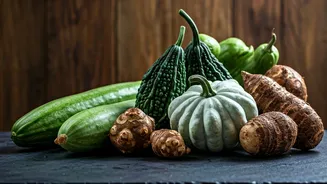
Indian Squash (Tinda): The Gentle Healer
Tinda, also known as Indian round gourd or apple gourd, is a mild and soothing vegetable perfect for the rainy season. Like bottle gourd, it has a high water content and is very easy to digest, making it ideal for maintaining a healthy gut. It's low in calories but rich in antioxidants, which help reduce inflammation in the body. Tinda is particularly beneficial for keeping the stomach cool and preventing acidity, a common complaint during the monsoon. Its mild flavour allows it to absorb the spices it's cooked with, making it a versatile ingredient for a variety of gravy-based and dry dishes.
Sweet Potato (Shakarkandi): The Energy Provider
While we often associate sweet potatoes with winter, they are an excellent, nutrient-dense choice for the monsoon. They are a great source of complex carbohydrates, providing sustained energy without causing sharp spikes in blood sugar. More importantly, shakarkandi is loaded with beta-carotene, which the body converts into vitamin A—a vital nutrient for a strong immune system. It's also high in dietary fibre and vitamin C. Instead of deep-frying, try roasting, boiling, or steaming them to retain their nutritional benefits. A warm bowl of roasted shakarkandi chaat is a healthy and delicious monsoon snack.
A Note on Preparation
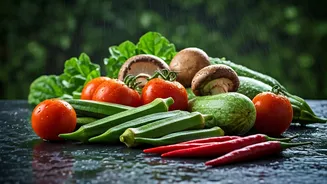
While these vegetables are beneficial, proper hygiene is paramount during the monsoon. The high moisture content in the air can lead to faster growth of germs and bacteria on produce. Always wash your vegetables thoroughly under running water. Soaking them in a solution of salt water or vinegar for a few minutes can help remove microbes. Be especially careful with leafy greens, which can harbour dirt and worms; it's best to cook them well rather than consuming them raw in salads. Steaming and pressure cooking are excellent methods that retain nutrients while ensuring the food is safe to eat.