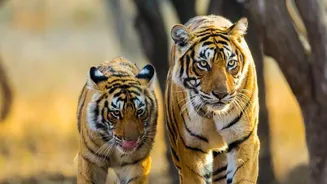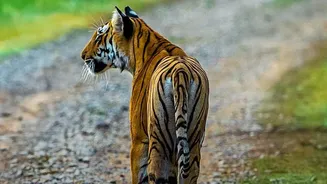



The Tiger Capital of India
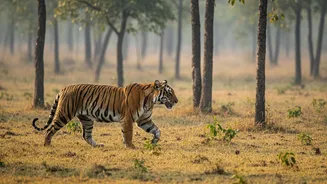
Central India, primarily the states of Madhya Pradesh and Maharashtra, is often called the 'Tiger Capital'. This region is home to some of the country's most famous and well-managed tiger reserves. For a solo traveller, the key is to focus on parks that
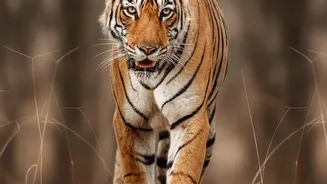
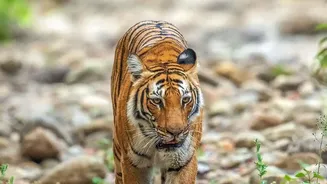
are relatively easy to reach. The top contenders are Bandhavgarh National Park, known for its high tiger density; Kanha National Park, the inspiration for Kipling's 'The Jungle Book' with its vast meadows; Pench Tiger Reserve, spanning both states; and Tadoba Andhari Tiger Reserve in Maharashtra, which boasts frequent sightings. Each offers a unique landscape and experience, but all are connected by the lifeline of Indian Railways.
Your Chariot: The Indian Railways
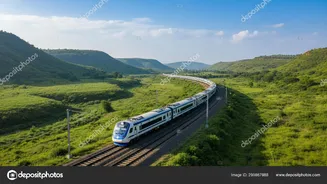
The headline's 'cheap rail passes' is best understood not as a single all-access pass, but as the general affordability of the rail network itself. While Indrail Passes exist, they are primarily for foreign tourists and aren't always the most budget-friendly option for domestic travel. The real hack for a cheap journey is booking standard Sleeper Class (SL) or 3-tier AC (3A) tickets well in advance. The Indian Railways booking window opens 120 days ahead of the travel date. Using the official IRCTC website or apps like ixigo is the most reliable way to book. Key railway hubs for this circuit are Jabalpur and Nagpur. Jabalpur serves as a gateway to Bandhavgarh and Kanha, while Nagpur is the ideal starting point for Pench and Tadoba.
From Station to Sanctuary
Once you disembark, the next step is the 'last-mile' journey to the park's entrance gate. From Jabalpur, the nearest station for Bandhavgarh is Umaria (about an hour's drive), from where shared taxis or private cabs are available. For Kanha, the journey from Jabalpur is longer, around 4-5 hours by road. From Nagpur, Pench is a 3-hour drive, with taxis and buses readily available. Tadoba's nearest major station is Chandrapur, about an hour from the main park gates. It's wise to connect with your hotel or homestay beforehand, as many can arrange for a reliable and reasonably priced taxi pickup, saving you the hassle of negotiation upon arrival.
Booking Your Safari: The Crucial Step
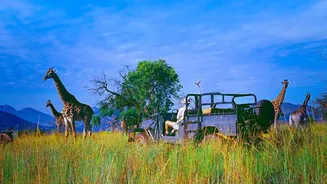
This cannot be stressed enough: book your safari permits online, well in advance. Gone are the days of showing up and hoping for a spot. Safari permits for popular parks, especially for the core zones with higher sighting chances, sell out within hours of the booking window opening (often 120 days prior). Both Madhya Pradesh and Maharashtra have official forest department websites for booking. As a solo traveller, you have two main options. You can book a full jeep for yourself, which offers total flexibility but is expensive. A more budget-conscious and social option is to book a single seat in a shared jeep safari, often called a canter safari in some parks. Many lodges and local operators can also assist with this.
Budgeting for the Wild
A solo trip doesn't have to break the bank. Your major costs will be train travel, local transport, accommodation, and safari permits. A sleeper class train ticket can cost a few hundred rupees. Budget for around ₹1,000-₹2,000 for a taxi from the station to the park, which you might be able to share. Accommodation ranges from basic government-run forest rest houses and local homestays (starting around ₹1,500/night) to mid-range lodges. A single shared jeep safari permit and vehicle hire can cost between ₹2,000 and ₹4,000 per person, per ride. Eating at local dhabas near the park gates is the most economical way to dine. A daily budget of around ₹4,000-₹5,000 (excluding major travel days) is a reasonable estimate for a comfortable but budget-conscious solo trip.
Tips for the Solo Explorer
Travelling solo in these regions is generally safe, but common sense prevails. Choose certified lodges or homestays with good reviews. Share your itinerary with family or a friend. In the jungle, always follow your guide's instructions. Pack light, but include essentials: neutral-coloured clothing, a hat, sunscreen, a reusable water bottle, binoculars, and any personal medications. Joining group safaris is a great way to meet like-minded travellers and share the excitement of a sighting. The freedom of solo travel means you can be flexible, perhaps adding an extra safari if you hear of good sightings in a particular zone. Embrace the solitude, the quiet moments of listening to the jungle, and the sheer thrill of the unknown.