



Start with Forgiving, Low-Maintenance Plants
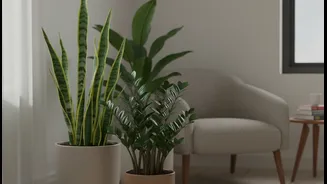
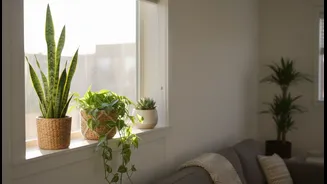
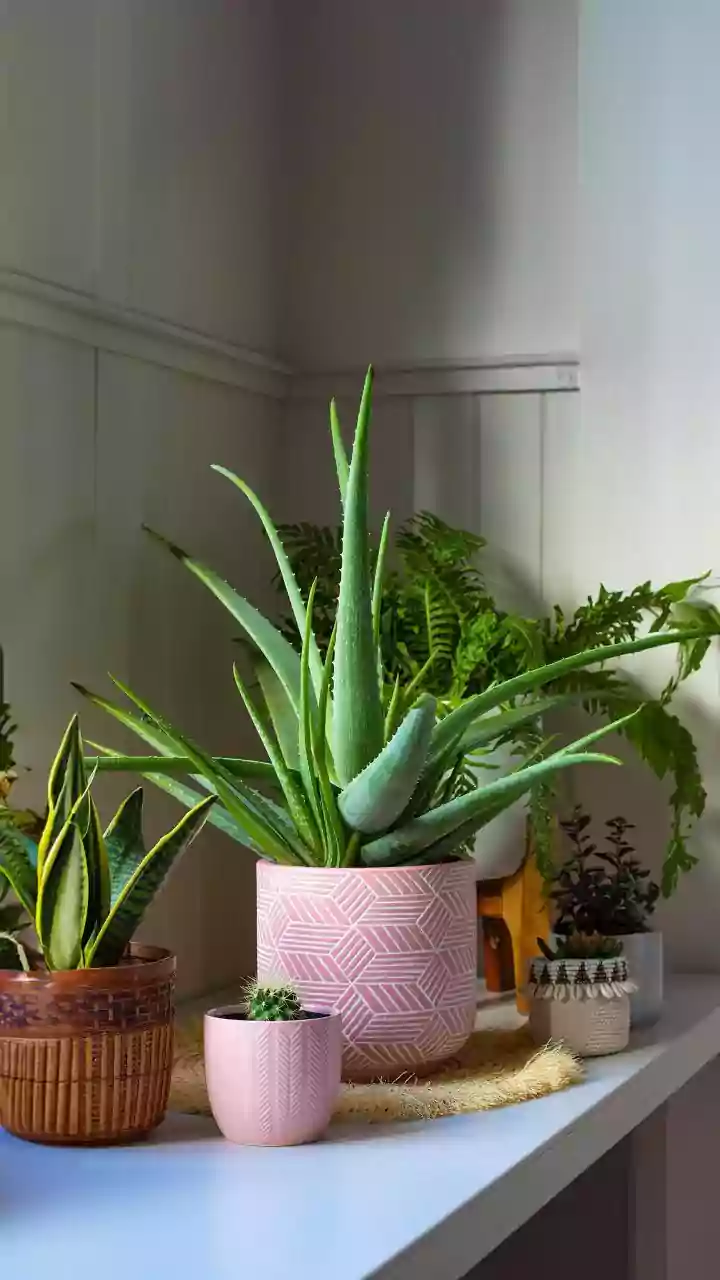
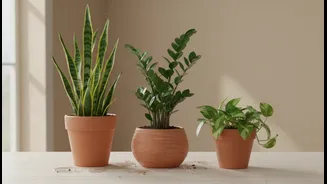
The key to a successful indoor garden, especially for beginners, is choosing plants that are resilient and adaptable. Look for species that tolerate a range of light conditions and don't panic if you forget to water them occasionally. The Snake Plant
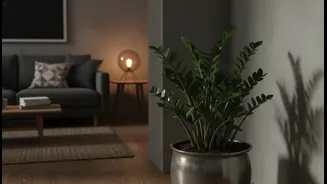
is a champion in this category; it grows vertically, saving space, and can survive in low light with infrequent watering. Another excellent choice is the ZZ Plant, known for its glossy leaves and ability to thrive on neglect. Pothos (Money Plant) and Spider Plants are also incredibly forgiving. They are known for their air-purifying qualities and will often visually signal when they need water—the Peace Lily, for instance, will droop its leaves—making them great communicative companions. These plants are perfect for Indian apartments where light can be variable.
Think Vertically and Use Wall Space
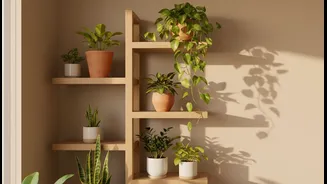
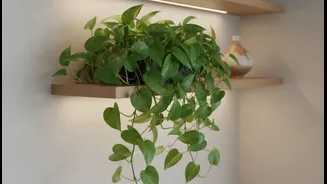
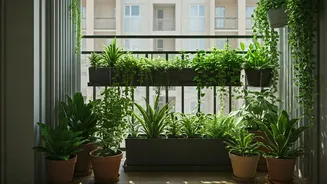
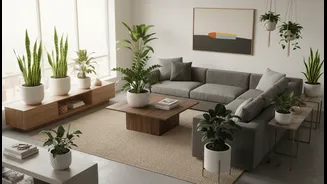
When floor space is at a premium, the only way to go is up. Vertical gardening is a game-changer for small apartments. Simple wall-mounted shelves or planters can instantly create a home for several pots without taking up a single square foot of your floor. You can arrange them in a grid to create a 'living wall' effect. Another brilliant, renter-friendly solution is using tension poles that fit between the floor and ceiling, offering adjustable arms to hold multiple plants. Hanging planters are a classic for a reason; suspending plants like Pothos or Spider Plants from the ceiling, especially at different heights near a window, creates a beautiful cascading green curtain.
Get Creative with Placement
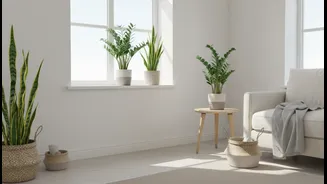
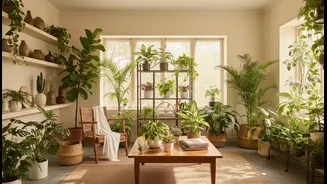
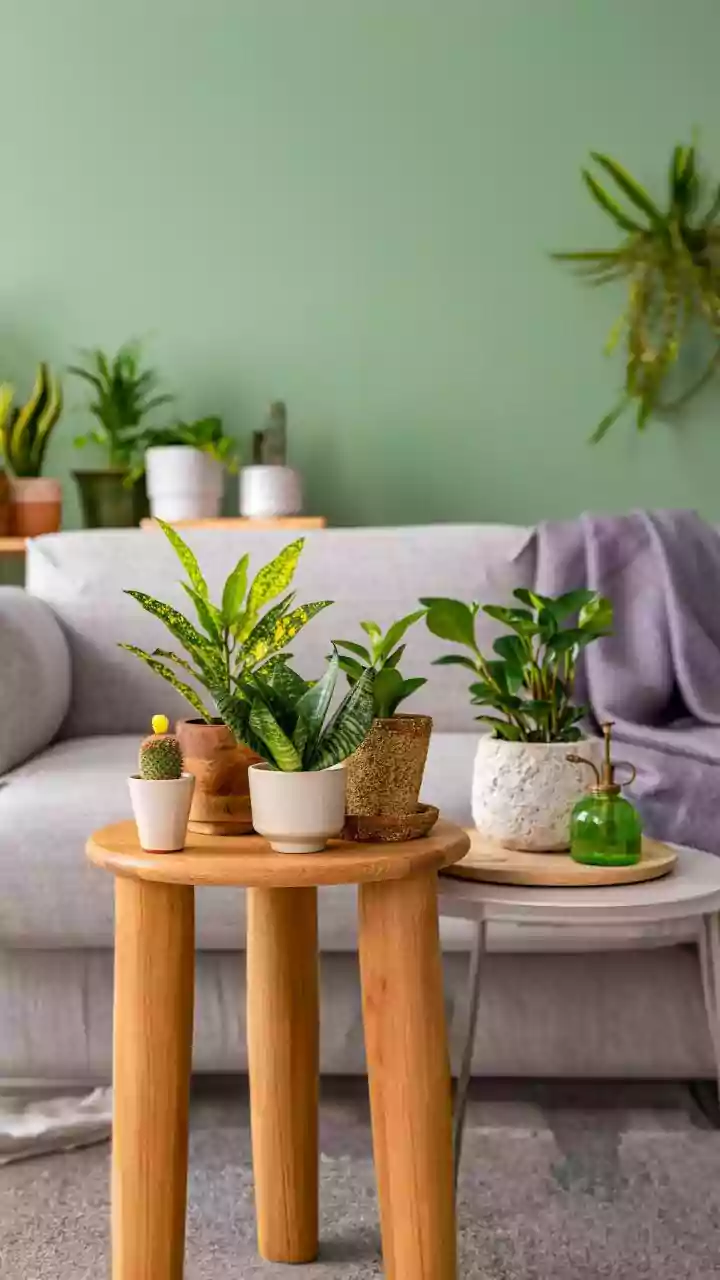
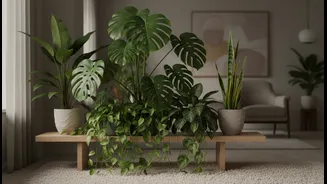
Every corner of your home has potential. That awkward empty corner can become a focal point with a tall, slender plant. Windowsills are prime real estate for sun-loving succulents or a kitchen herb garden. Don't overlook the bathroom; the high humidity makes it a perfect environment for plants like ferns and Peace Lilies, which will thrive in those conditions. Grouping plants together is another effective strategy. Clustering three or five pots of different sizes and textures creates a much stronger visual impact than scattering them around the room. This mini-jungle effect can make a space feel more lush and intentionally designed.
The Power of the Right Pot
The containers you choose are not just functional; they are a core part of the decor. For small spaces, choosing the right pots can make a significant difference. Using a cohesive colour scheme or material for your planters—like all white ceramic or natural terracotta—can create a clean, uncluttered look. For a more functional approach in the kitchen, a pegboard can be used to hang small pots of fresh herbs like basil, mint, and rosemary, keeping your counters clear and ingredients within arm's reach. Self-watering planters can also be a lifesaver for busy people, as they reduce the frequency of watering while ensuring the plant gets consistent moisture.
The Benefits Beyond Beauty
Beyond aesthetics, bringing plants indoors has tangible benefits for your well-being. Houseplants are natural air purifiers, with studies showing they can remove a significant percentage of airborne toxins like formaldehyde and benzene. This can lead to breathing cleaner, fresher air. The presence of greenery is also linked to reduced stress levels and increased productivity and concentration, making them perfect additions to a home office. Even the simple act of caring for something and watching it grow can boost your mood and create a calming refuge from the outside world.