






The Core Stability Question
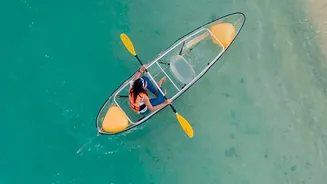
The most significant difference for a newcomer is the centre of gravity. In a kayak, you are seated low in the vessel, often in a recreational sit-on-top model that is wide and stable. This low position makes kayaks feel inherently secure from the first
moment, making them highly resistant to tipping in calm water. Paddleboarding, by contrast, requires you to stand on the board, placing your centre of gravity much higher. This demands more initial coordination and engages your core and leg muscles constantly just to stay upright. While it can be challenging, most beginners find their footing within a single session on calm water.
The Learning Curve Explained
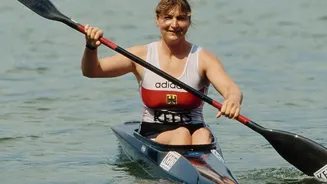
For most people, kayaking is easier to learn in the first few minutes. The combination of a stable seated position and a double-bladed paddle allows for intuitive, symmetrical strokes that make moving in a straight line relatively simple. Paddleboarding requires a bit more practice. Mastering the single-bladed paddle for steering and propulsion while simultaneously balancing can be tricky. However, once the initial balance challenge is overcome, many find the technique of paddleboarding to be less complex than mastering efficient kayak strokes. The key is starting on your knees before progressing to a standing position.
A Tale of Two Workouts
Your fitness goals should play a major role in your decision. Stand-up paddleboarding is widely recognized as a full-body workout. It constantly engages your leg, glute, and core muscles for stabilization, while your arms, back, and shoulders work to propel the board. This makes it a fantastic, low-impact activity for building overall strength and balance. Kayaking, while also excellent exercise, is more focused on the upper body and core. The power for each stroke comes from rotating your torso, engaging your core, lats, and shoulders. It's an effective way to build upper-body endurance, and it’s often easier on those with knee or ankle issues due to the seated position.
Versatility and Vantage Point
Consider what you want to do on the water. A paddleboard offers a superior vantage point for viewing marine life, as standing allows you to look directly down into the water without surface glare. SUPs are also incredibly versatile; you can stand, kneel, or sit, and the open deck makes them great platforms for swimming, on-water yoga, or paddling with a dog. Kayaks generally have the edge for performance and distance. Their hull shape cuts through water more efficiently, making them faster and better for longer journeys or paddling in wind and chop. They also typically offer more protected, dry storage for gear, which is a significant advantage for day trips or camping.
The Inevitable Fall: Getting Back On
For any beginner, falling into the water is a real possibility, and how you get back on your craft matters. This is an area where paddleboards have a clear advantage. Climbing back onto a wide, stable SUP from the water is relatively straightforward for most people. Getting back into a kayak, particularly a sit-inside model, can be much more difficult without practice. While sit-on-top kayaks are easier to remount than their sit-in counterparts, it can still be more awkward than simply pulling yourself onto a paddleboard. Learning a self-rescue technique for a kayak, like an Eskimo roll, requires significant practice.
Which Is Right for You?
Your choice ultimately comes down to personal preference. Choose kayaking if your priority is stability, covering longer distances, staying drier and warmer, or paddling in potentially windy or choppy conditions. It’s an excellent choice for those who want a secure-feeling craft from the start or plan to do a lot of exploring. Choose stand-up paddleboarding if you want a full-body fitness challenge, a better view into the water, and the versatility to stand, sit, or swim easily. It’s ideal for people who enjoy a balance challenge and plan to paddle mostly in calm, flat water.